
A hearty everyday curry of tender mutton or beef simmered with potatoes in an onion-tomato gravy enriched with whole and ground spices. This homestyle dish is a staple of Pakistani household cooking across all provinces.
Nutrition & Info
Equipment Needed
Instructions
-
1
Heat oil in a pressure cooker or heavy pot. Add cumin seeds, cardamom pods, bay leaves, and cinnamon stick, frying for thirty seconds until fragrant. Add sliced onions and cook until deep golden brown, about ten minutes.
-
2
Add the meat pieces and sear on high heat for five minutes until browned on all sides. This caramelization is essential for developing the depth of flavor in the final curry.
-
3
Stir in pureed tomatoes, red chili powder, turmeric, coriander powder, and salt. Cook the masala on medium heat for eight minutes until the oil separates from the sauce, indicating the spices are fully cooked.
-
4
Add two cups of water, cover, and cook under pressure for twenty minutes (or simmer in a covered pot for one hour) until the meat is nearly tender.
-
5
Add quartered potatoes and cook for another fifteen minutes until both meat and potatoes are completely tender. Garnish with fresh coriander and serve with roti or rice.
Did You Know?
Aloo gosht is often the first curry a new bride learns to cook in Pakistani households, as it is considered the true test of everyday cooking skill, balancing the tenderness of meat with perfectly cooked potatoes.
Chef's Notes
Equipment Tips
- pressure cooker or heavy pot
- wooden spoon
The Story Behind Aloo Gosht
Aloo gosht represents the marriage of Old World meat-cooking traditions with the New World potato, which arrived in the subcontinent through Portuguese traders in the 17th century. The dish evolved as a practical everyday curry in Punjabi and Sindhi households, stretching expensive meat with affordable potatoes. It became a cornerstone of Pakistani home cooking after partition, when families from different regions shared recipes and the dish absorbed regional variations from across the new nation.
More Pakistani Dishes
 Medium
📜 Story
Medium
📜 Story
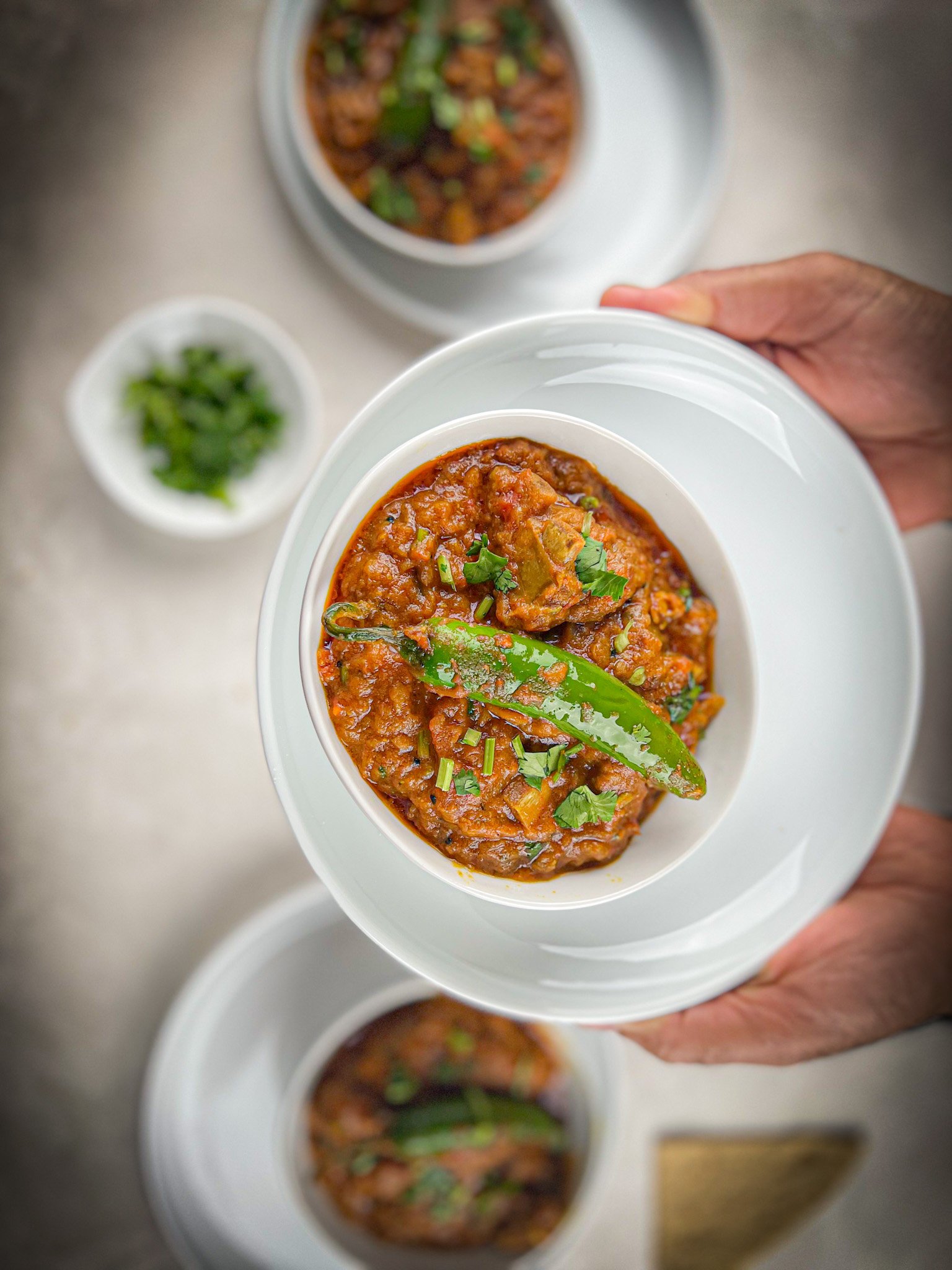
Achar Gosht
Pickled Meat Curry
Lunch or dinner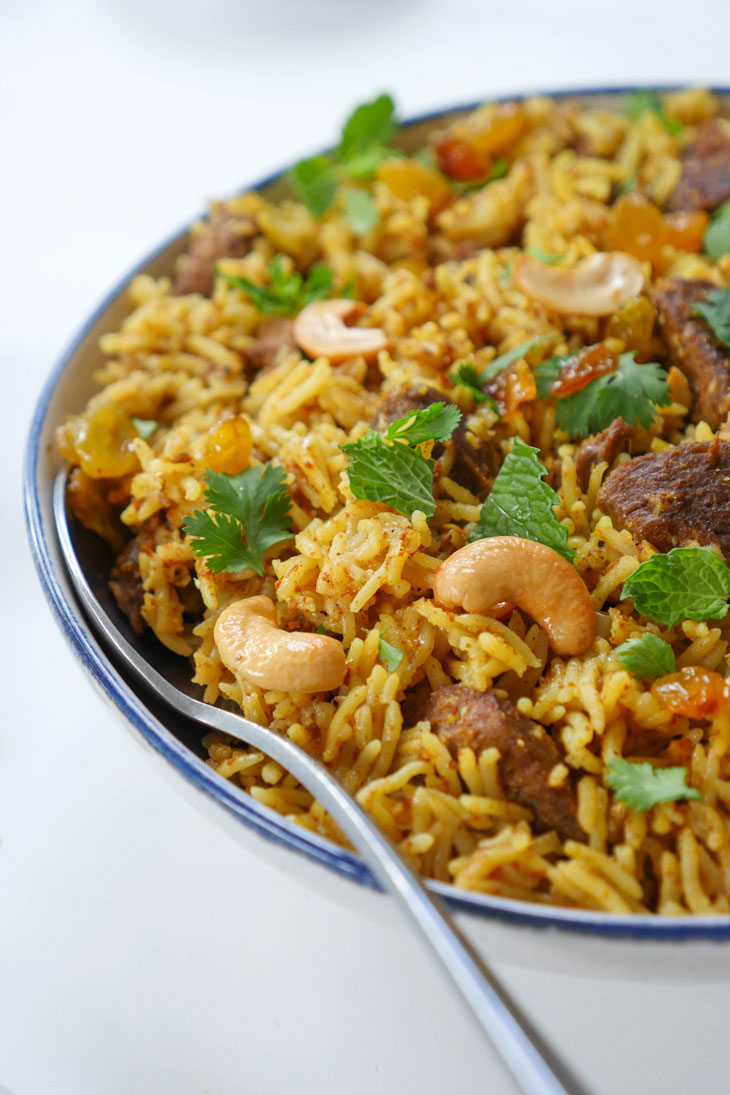 Hard
📜 Story
Hard
📜 Story
Biryani
Biryani
Lunch or dinner, celebrations and Fridays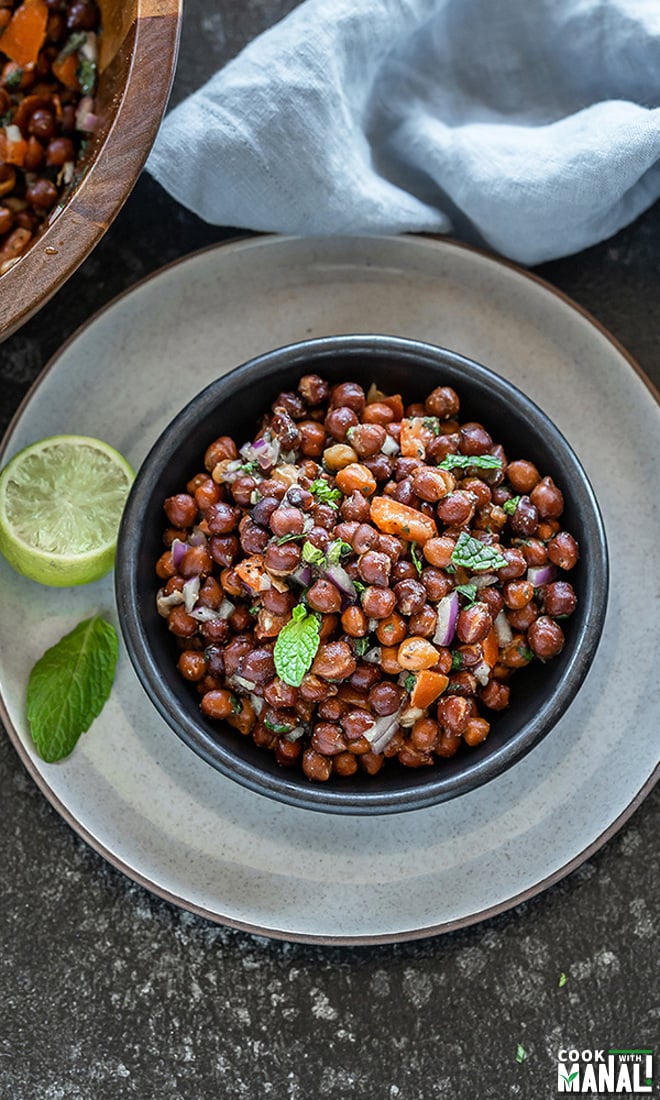 Easy
📜 Story
Easy
📜 Story
Chana Chaat
Spiced Chickpea Salad
Afternoon snack, iftar during Ramadan Medium
📜 Story
Medium
📜 Story
Chapli Kabab
Chapli Kabab
Dinner, celebrations and guest hospitality
Comments (0)
Log in to leave a comment.
No comments yet. Be the first to share your thoughts!