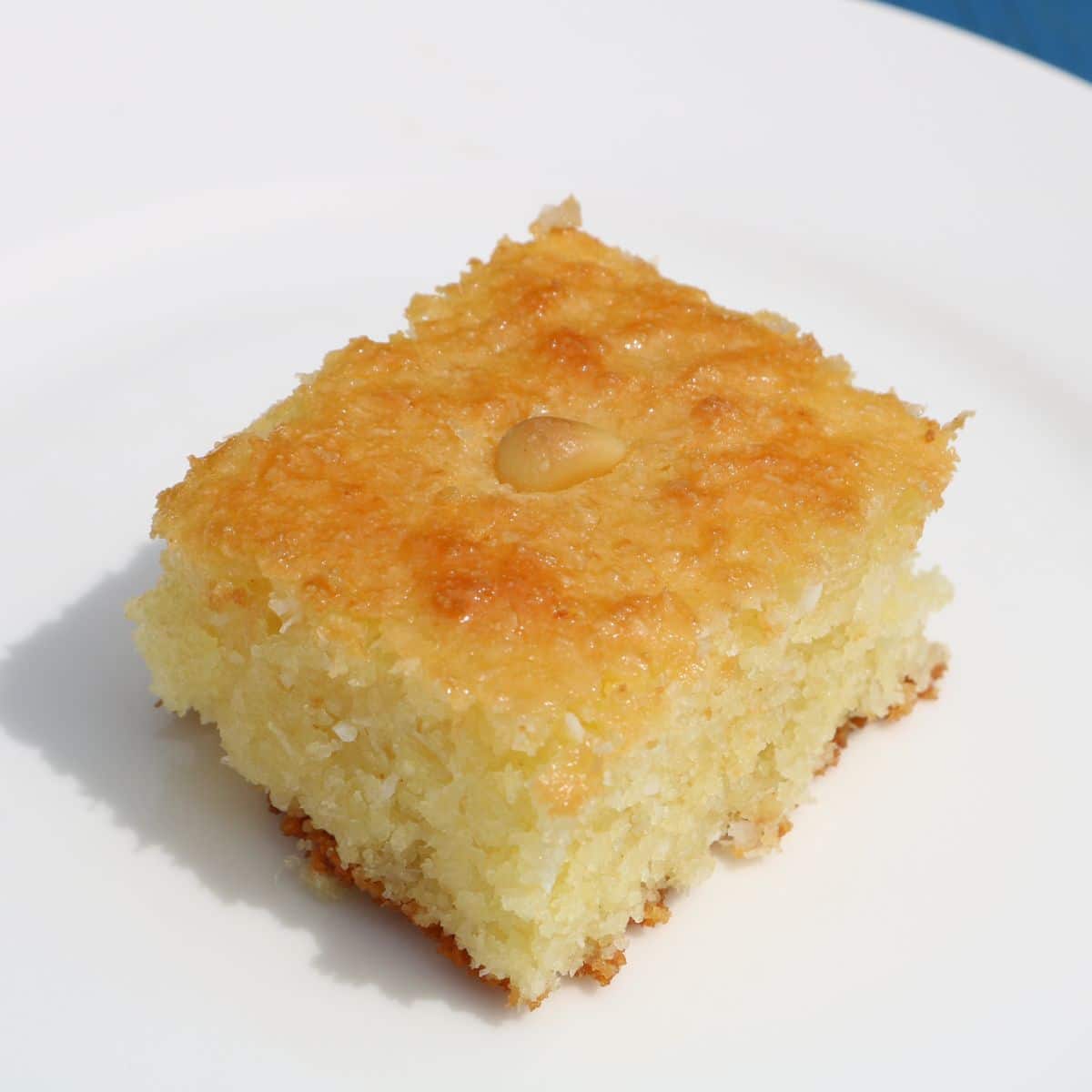
Translucent confection of starch, sugar, rosewater, saffron, and ghee, studded with nuts. Served with Arabic coffee.
Nutrition & Info
Allergen Warnings
Equipment Needed
Presentation Guide
Vessel: ornate serving dish
Garnishes: slivered almonds, cardamom pods, saffron threads
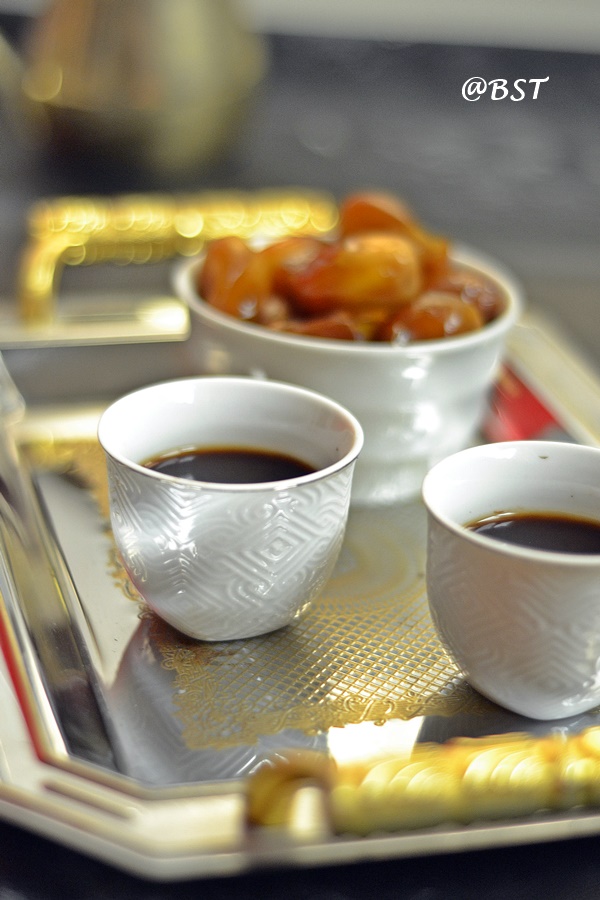
Accompaniments: Omani coffee (kahwa)
Instructions
-
1
Dissolve the cornstarch in one cup of the water, stirring until completely smooth with no lumps. This slurry will be added gradually to the cooking sugar syrup and must be perfectly smooth to avoid any lumps in the finished halwa.
-
2
Combine the remaining two cups of water with the sugar in a large heavy-bottomed pan. Cook over medium heat, stirring until the sugar dissolves completely. Bring to a boil and simmer for five minutes to create a thin syrup.
-
3
Reduce the heat to medium-low and gradually pour the cornstarch slurry into the sugar syrup in a thin stream, stirring constantly and vigorously. The mixture will begin to thicken immediately. Continue stirring without stopping to prevent lumps.
-
4
Add the ghee one tablespoon at a time, stirring each addition fully into the mixture before adding the next. This gradual incorporation of ghee takes about fifteen minutes and creates the characteristic glossy, translucent texture of Omani halwa.
-
5
Continue cooking and stirring over low heat for thirty to forty minutes total. The halwa is ready when it becomes translucent, pulls away from the sides of the pan, and the ghee begins to separate and glisten on the surface.
-
6
Add the saffron-rose water mixture, ground cardamom, almonds, and cashews. Stir to distribute evenly. Pour the hot halwa into a greased dish or individual moulds and allow to set at room temperature for at least two hours before cutting.
-
7
Cut the set halwa into diamond shapes or squares. Serve alongside Arabic coffee (qahwa) as is traditional in Omani hospitality. Every Omani household serves halwa to guests, and it is an essential part of weddings and celebrations.
Did You Know?
Specialized halwa makers have been employed by the Sultan's palace for generations.
Chef's Notes
Equipment Tips
- heavy-bottomed pot
- wooden stirring paddle
- molds
Garnishing
slivered almonds, cardamom pods, saffron threads
Accompaniments
Omani coffee (kahwa)
The Story Behind Omani Halwa
The Story: Omani halwa is a dense, gelatinous sweetmeat made from sugar, water, ghee, starch, eggs, saffron, cardamom, and rose water, cooked slowly in a heavy copper pot (mirjas) with continuous stirring for up to two hours until it reaches a translucent, jewel-like consistency. Unlike Middle Eastern halva or Turkish halvah, Omani halwa has a sticky, gel-like texture and is intensely aromatic. The sweet reflects Oman's position on the spice trade routes, incorporating saffron from Iran, cardamom from India, and rose water from local distilleries.
On the Calendar: Omani halwa is served as a welcome sweet with Omani coffee (qahwa) to every guest, making it the most frequently consumed ceremonial food in Omani culture. It is also essential at weddings, Eid celebrations, national holidays, and official state functions, where enormous quantities are prepared.
Then & Now: While factory-produced halwa is now widely available, the finest versions are still made by specialist halwa-makers who tend their copper pots for hours. The halwa of Nizwa and the Batinah coast is particularly renowned. Omani halwa has been recognized as an element of Omani intangible cultural heritage.
Legacy: Omani halwa is the sweet ambassador of Omani hospitality, a confection whose elaborate preparation reflects the same patient craftsmanship that built the maritime trading empire of the Omani coast.
Comments (0)
Log in to leave a comment.
No comments yet. Be the first to share your thoughts!