Heart-shaped waffles made with cardamom-scented batter, served with sour cream, jam, and brunost. A beloved Norwegian comfort food.
Nutrition & Info
Allergen Warnings
Equipment Needed
Presentation Guide
Instructions
-
1
Beat eggs and sugar until light. Mix flour, cardamom, and baking powder separately.
-
2
Alternate adding dry ingredients and buttermilk to egg mixture. Stir in melted butter.
-
3
Heat a heart-shaped waffle iron. Pour batter and cook until golden, about 3 minutes.
-
4
Serve warm with sour cream, strawberry jam, or thin slices of brunost.
Did You Know?
March 25th is Vaffel Day in Norway, celebrating waffles with a day that sounds like 'vaffel' in Norwegian (Vaffeldagen).
Chef's Notes
Equipment Tips
- heart-shaped waffle iron
- mixing bowl
- whisk
Garnishing
powdered sugar
Accompaniments
sour cream, strawberry jam, brunost
The Story Behind Vafler
Norwegian waffles are distinctly different from their Belgian or American counterparts. Made with cardamom-spiced batter and cooked in heart-shaped irons, they are thinner, softer, and served as a snack rather than a breakfast item.
Waffle irons have been part of Norwegian households since the 17th century, and the heart-shaped pattern is considered the only authentic Norwegian design. Serving waffles to guests is a fundamental expression of hospitality.
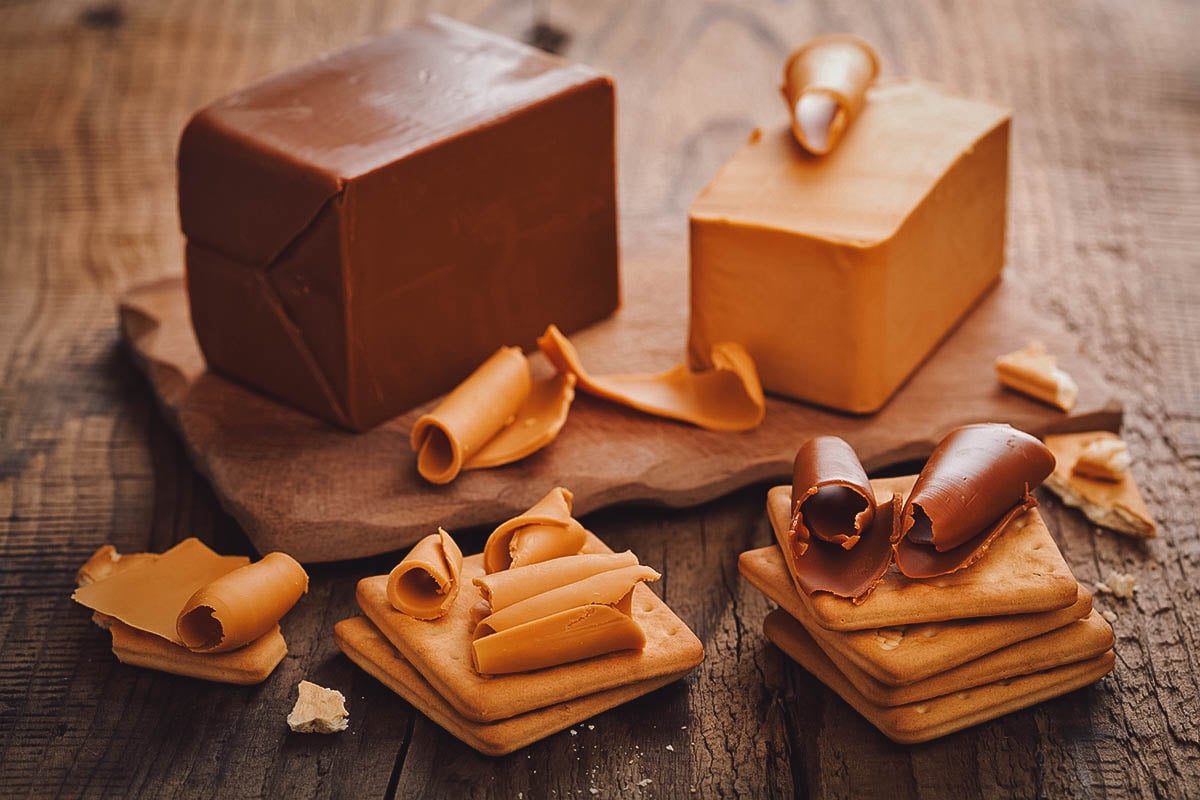
The classic accompaniments of sour cream and jam reflect the Norwegian taste for balancing sweet and tangy flavors. Brunost on waffles is equally traditional, combining the caramel sweetness of brown cheese with the soft waffle.
Comments (0)
Log in to leave a comment.
No comments yet. Be the first to share your thoughts!