
A traditional Nicaraguan mixed plate featuring grilled beef, gallo pinto, tajadas, cheese, avocado, and curtido, named after a famous Managua restaurant.
Instructions
-
1
Season beef with salt, pepper, and minced garlic. Grill or pan-sear over high heat to desired doneness.
-
2
Prepare tajadas by slicing green plantains thin and frying until crispy. Drain and salt.
-
3
Make curtido by tossing shredded cabbage with vinegar, tomato, and salt.
-
4
Warm the gallo pinto in a skillet with a bit of oil until slightly crispy at edges.
-
5
Arrange everything on a large platter: grilled beef in the center, gallo pinto, tajadas, cheese, avocado, and curtido around it.
-
6
Drizzle sour cream over the plate. Serve family-style with tortillas on the side.
Did You Know?
The dish is named after the famous Caballo Bayo restaurant in Managua, which has been serving this iconic combination since the 1960s.
The Story Behind Caballo Bayo
Caballo bayo is the ultimate Nicaraguan feast plate, a generous spread that showcases the country's greatest hits on a single platter. Named after the legendary Caballo Bayo restaurant in Managua that popularized this combination, the dish brings together grilled beef, gallo pinto, crispy tajadas, white cheese, avocado, and tangy curtido slaw. It represents the Nicaraguan philosophy of abundance and sharing, typically ordered for special occasions and enjoyed family-style. The dish has become synonymous with celebratory Nicaraguan dining.
More Nicaraguan Dishes
 Medium
📜 Story
Medium
📜 Story
Arroz con Pollo
Chicken with Rice
Lunch, everyday family meal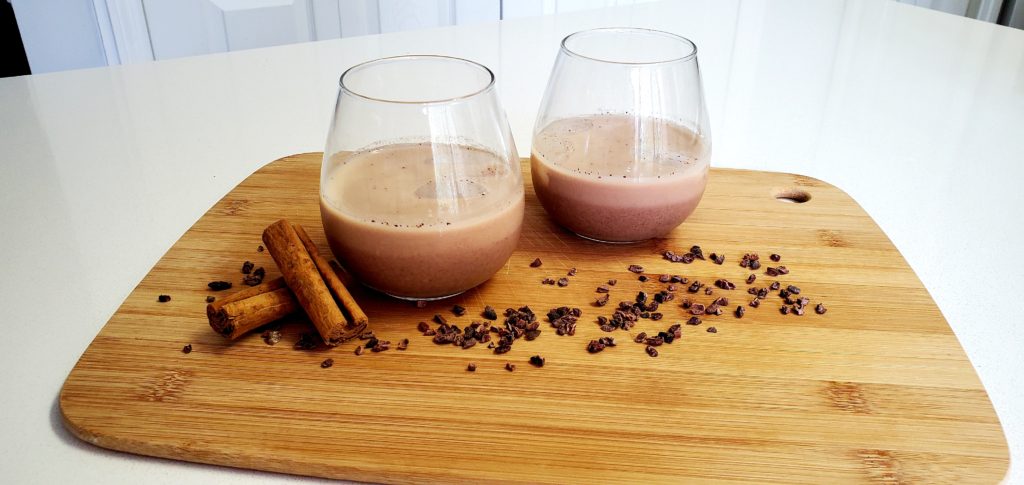 Easy
📜 Story
Easy
📜 Story
Cacao Nicaragüense
Nicaraguan Hot Chocolate
Breakfast, evening drink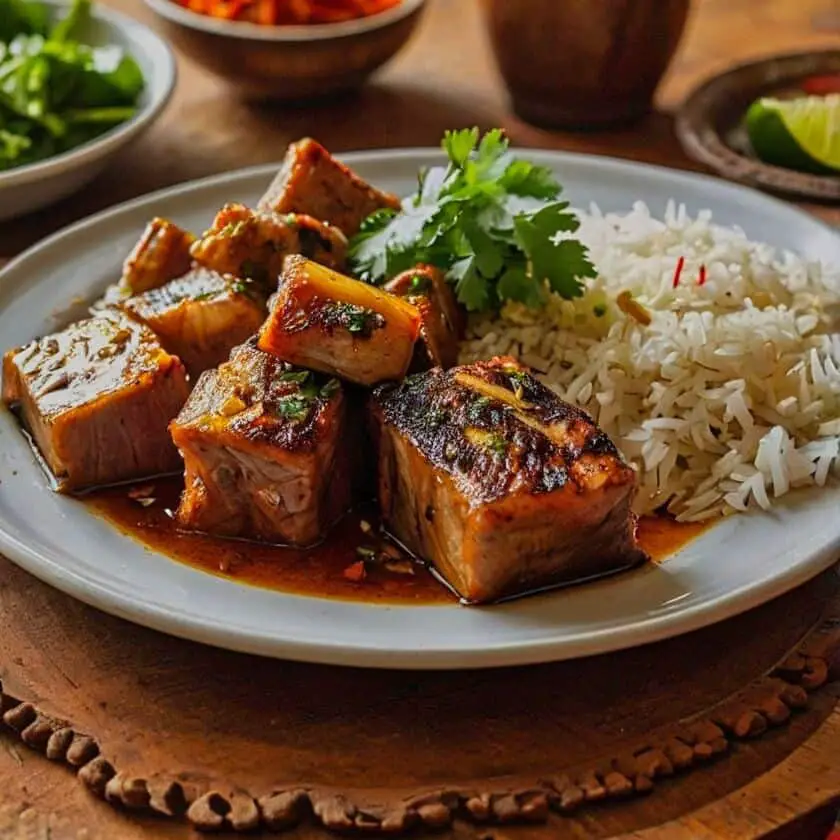 Medium
📜 Story
Medium
📜 Story
Carne con Yuca
Beef with Yuca
Lunch, weekend meals Easy
📜 Story
Easy
📜 Story
Cosa de Horno
Oven Thing Corn Cake
Afternoon snack, with coffee
Comments (0)
Log in to leave a comment.
No comments yet. Be the first to share your thoughts!