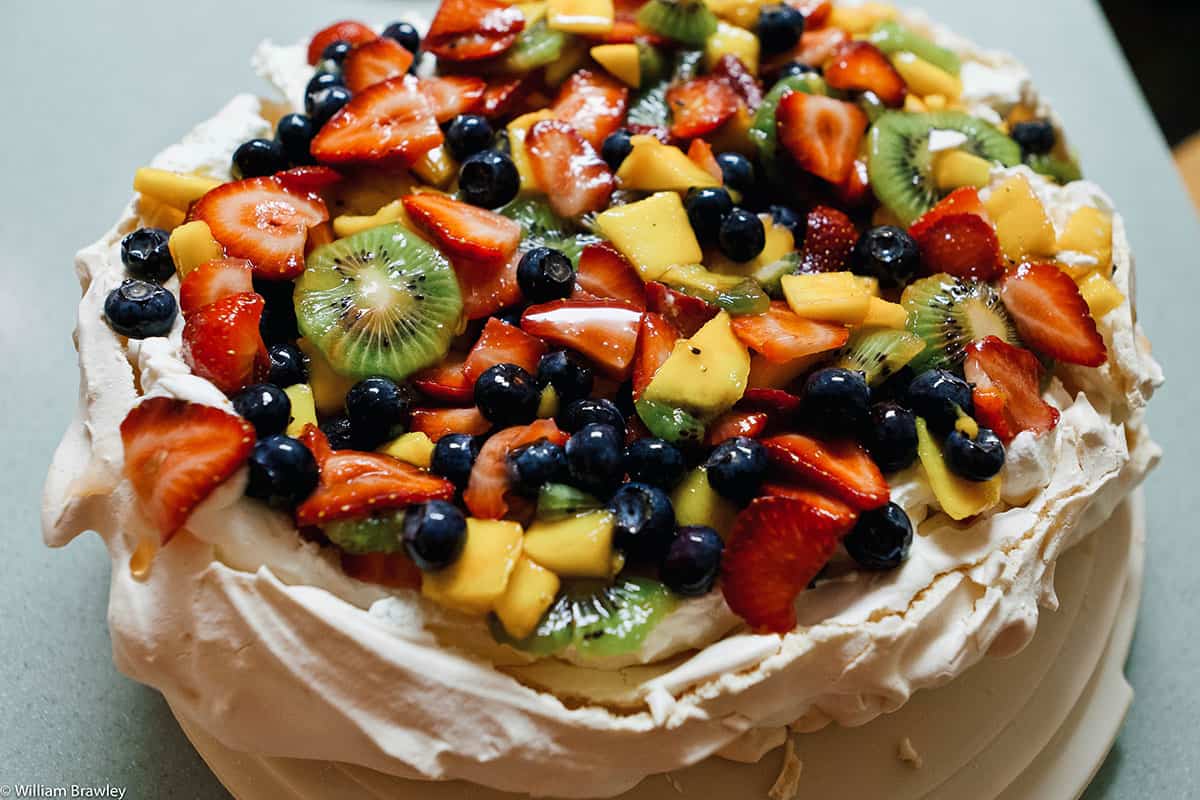
Crispy meringue with a marshmallow center, piled high with cream, kiwifruit, and passionfruit. New Zealand's claimed national dessert.
Nutrition & Info
Allergen Warnings
Equipment Needed
Presentation Guide
Vessel: cake stand or large plate
Garnishes: kiwifruit slices, passion fruit pulp, strawberries
Accompaniments: whipped cream
Instructions
-
1
Preheat the oven to 120C. Line a baking sheet with parchment paper and draw a 23cm circle on the underside as a guide. Ensure the bowl and whisk are completely clean and grease-free, as any fat will prevent the egg whites from reaching full volume.
-
2
Whip the egg whites with an electric mixer on medium speed until soft peaks form. Gradually add the caster sugar one tablespoon at a time, beating for about thirty seconds between each addition. This slow incorporation is critical for a stable, glossy meringue.
-
3
Continue beating on high speed for eight to ten minutes until the meringue is thick, glossy, and holds stiff peaks. Rub a small amount between your fingers; it should feel completely smooth with no grittiness from undissolved sugar remaining.
-
4
Gently fold in the vinegar, cornstarch, and vanilla using a large metal spoon. These additions create the marshmallow-soft interior that distinguishes pavlova from ordinary meringue. Fold with minimal strokes to avoid deflating the meringue.
-
5
Pile the meringue onto the parchment circle, shaping it into a round with a slightly higher edge and a shallow well in the centre. Use the back of a spoon to create swirls up the sides. Bake for one hour and fifteen minutes, then turn off the oven and leave the door ajar to cool completely.
-
6
Whip the cream with powdered sugar to soft, billowy peaks. Pile the cream into the centre of the cooled pavlova. Arrange sliced kiwifruit and strawberry halves over the cream, then spoon the passionfruit pulp and seeds over everything.
-
7
Serve the pavlova immediately after decorating, as the cream will gradually soften the crisp shell. Each slice should reveal the contrast: a crisp outer shell, marshmallow-soft interior, pillowy cream, and bright, tangy fresh fruit. This is New Zealand's definitive dessert.
Did You Know?
New Zealand claims pavlova was invented in Wellington in 1926 — Australians strongly disagree.
Chef's Notes
Equipment Tips
- stand mixer or hand mixer
- baking sheet
- parchment paper
Garnishing
kiwifruit slices, passion fruit pulp, strawberries
Accompaniments
whipped cream
The Story Behind Pavlova
The Story: Pavlova is a meringue-based dessert with a crisp shell and soft, marshmallow-like interior, topped with whipped cream and fresh fruits, most iconically kiwifruit, passionfruit, and strawberries. Named after Russian ballerina Anna Pavlova following her tours of Australia and New Zealand in the 1920s, the dessert's national ownership is fiercely contested between New Zealand and Australia. New Zealanders claim the dessert with passionate certainty, pointing to a 1929 recipe from a New Zealand publication as evidence of prior creation.
On the Calendar: Pavlova is the quintessential New Zealand celebration dessert, appearing at Christmas dinner (which falls in summer), birthday parties, barbecues, and any occasion requiring a show-stopping finale. It is so associated with Christmas that the holiday season is sometimes measured in pavlovas consumed.
Then & Now: The basic recipe has remained consistent for a century: egg whites, sugar, vinegar, and cornflour, beaten and baked low and slow. Modern variations experiment with flavored meringues and exotic toppings, but the classic fruit-and-cream version remains the gold standard. The New Zealand-Australia pavlova origin debate shows no signs of resolution.
Legacy: Pavlova is New Zealand's sweetest cultural battleground, a dessert that has become so entwined with national identity that claiming it feels like an act of patriotism.
More New Zealander Dishes
 Easy
📜 Story
Easy
📜 Story
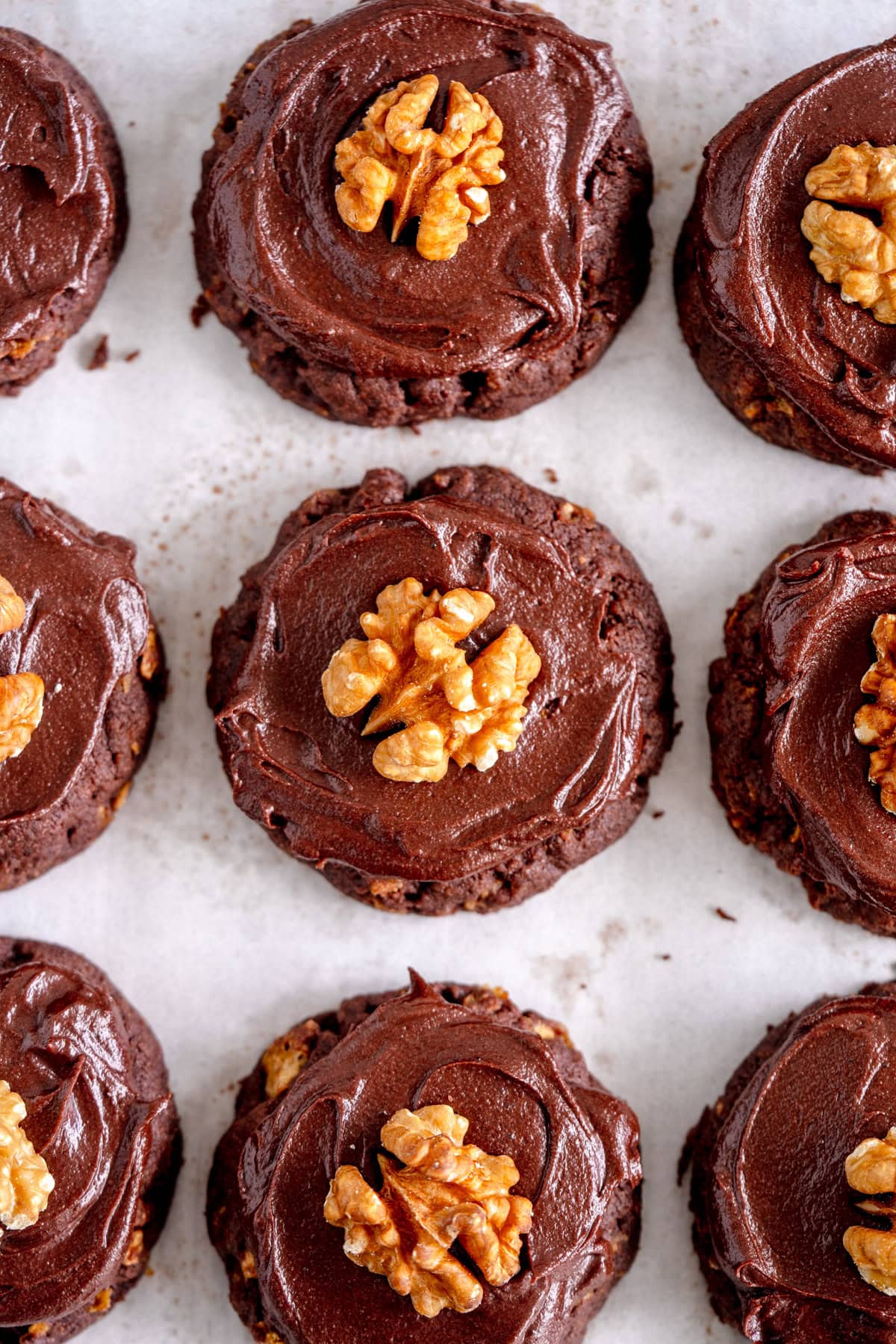
Afghan Biscuit
Chocolate Cornflake Biscuit
Afternoon tea, bake sales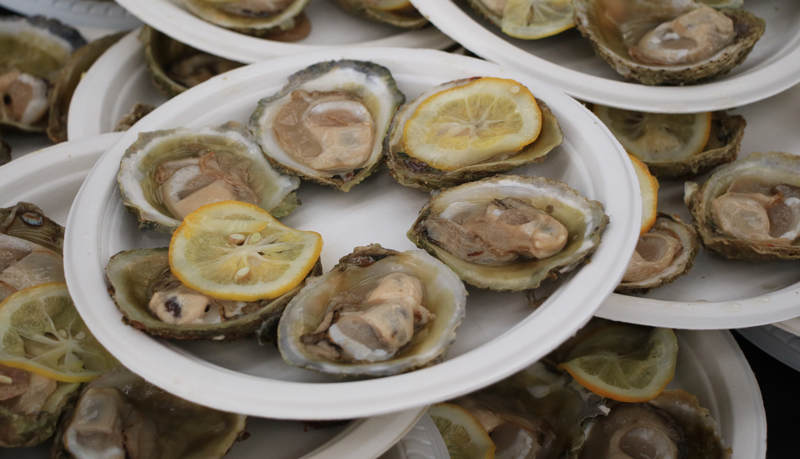 Easy
📜 Story
Easy
📜 Story
Bluff Oysters
Raw Bluff Oysters on the Half Shell
Seasonal, March to August Easy
📜 Story
Easy
📜 Story
Boil-Up
Maori Pork-Free Meat and Vegetable Stew
Winter dinner, family gatherings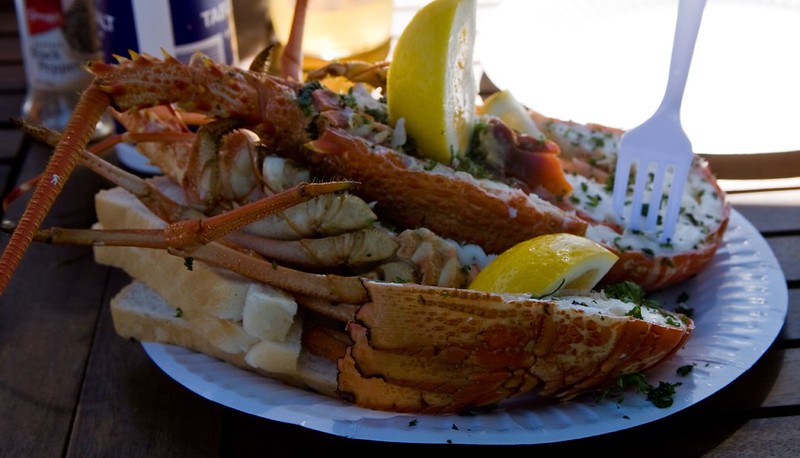 Medium
📜 Story
Medium
📜 Story
Crayfish
Grilled New Zealand Crayfish
Special occasions, summer dining
Comments (0)
Log in to leave a comment.
No comments yet. Be the first to share your thoughts!