
Meat and vegetables slow-cooked underground on hot stones, infused with earthy, smoky flavor. The sacred Maori cooking method.
Nutrition & Info
Equipment Needed
Presentation Guide
Vessel: large communal platter
Garnishes: watercress
Accompaniments: kumara (sweet potato), pumpkin, stuffing
Instructions
-
1
Dig a pit about sixty centimetres deep and one metre wide. Build a large fire in the pit on top of volcanic rocks or clean river stones. Allow the fire to burn for three to four hours until the rocks glow red. For oven adaptation, preheat to 180C.
-
2
Season all the meat pieces generously with salt and pepper. Wrap the lamb and chicken separately in muslin cloth or heavy-duty aluminum foil, sealing tightly. The wrapping protects the meat from ash and traps steam for tender, succulent results.
-
3
Wrap the kumara, potatoes, pumpkin wedges, and cabbage quarters separately in aluminum foil with a splash of water and a pinch of salt in each packet. The water creates steam inside each packet for even cooking of the dense root vegetables.
-
4
Once the rocks are glowing hot, rake out the coals. Place the meat baskets on the hot rocks first since they need the most heat. Layer the vegetable baskets on top. Cover everything with wet sacking, then a layer of earth to seal completely.
-
5
Let the hangi cook underground for three to four hours without disturbing it. The sealed pit creates a pressurized steam environment that slow-cooks everything to fall-apart tenderness. For oven method, cook sealed in Dutch ovens at 180C for three hours.
-
6
Carefully unearth the hangi by removing the soil and sacking layers. The rush of fragrant steam is dramatic and signals the feast is ready. Unwrap the meat and vegetables, checking that everything is cooked through and tender.
-
7
Arrange the hangi food on large platters for communal serving. The meat should be smoky, incredibly tender, and infused with earthy minerality from the hot stones. Serve with bread and butter as this traditional Maori feast feeds the extended family or community.
Did You Know?
Hangi has been used by Maori for over 700 years and is essential for important cultural gatherings.
Chef's Notes
Equipment Tips
- pit oven
- heated stones
- wire baskets
- wet cloth and sacking
Garnishing
watercress
Accompaniments
kumara (sweet potato), pumpkin, stuffing
The Story Behind Hangi
The Story: Hangi is the traditional Maori earth oven feast, a cooking method in which meat (typically lamb, chicken, and sometimes seafood) and vegetables (kumara, potatoes, pumpkin, cabbage, and stuffing) are placed in baskets over heated volcanic stones in a pit dug in the earth, covered with wet cloths and soil, and slow-steamed for several hours. The food emerges with a distinctive smoky, earthy flavor imparted by the stones and the earth itself. This technique was brought to New Zealand by Polynesian settlers and adapted to local ingredients and the volcanic geology of the islands.
On the Calendar: Hangi is prepared for significant communal gatherings: tangi (funerals), hui (meetings), weddings, graduations, Waitangi Day celebrations, and other important events. It is not everyday food but rather a ceremonial and communal cooking method that requires collective effort.
Then & Now: The hangi tradition remains vigorously alive, practiced by Maori communities throughout New Zealand. While gas-heated above-ground hangi systems exist for convenience, the traditional earth pit method is preferred for important occasions. Hangi has crossed cultural boundaries and is now embraced by all New Zealanders as part of the national food heritage.
Legacy: Hangi is the living connection between modern New Zealand and its Polynesian roots, a cooking method that transforms a meal into a communal ritual of preparation, patience, and shared celebration.
More New Zealander Dishes
 Easy
📜 Story
Easy
📜 Story
Afghan Biscuit
Chocolate Cornflake Biscuit
Afternoon tea, bake sales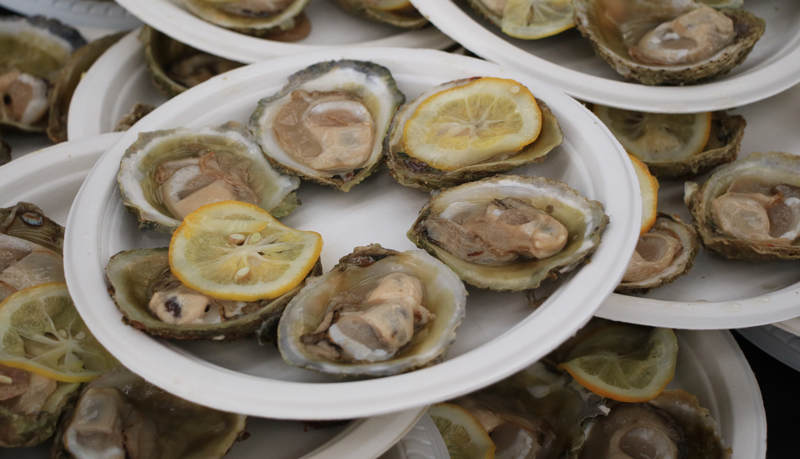 Easy
📜 Story
Easy
📜 Story
Bluff Oysters
Raw Bluff Oysters on the Half Shell
Seasonal, March to August Easy
📜 Story
Easy
📜 Story
Boil-Up
Maori Pork-Free Meat and Vegetable Stew
Winter dinner, family gatherings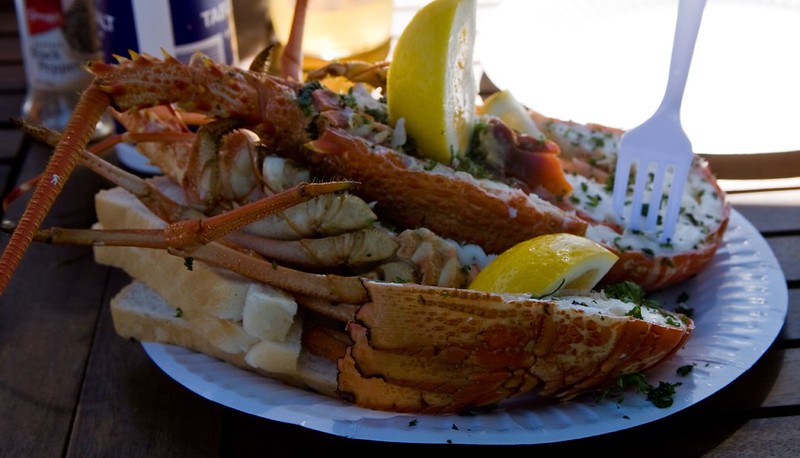 Medium
📜 Story
Medium
📜 Story
Crayfish
Grilled New Zealand Crayfish
Special occasions, summer dining
Comments (0)
Log in to leave a comment.
No comments yet. Be the first to share your thoughts!