
Hearty Maori stew of beef bones, watercress, kumara, potatoes, and dumplings simmered low and slow until everything is meltingly tender.
Nutrition & Info
Allergen Warnings
Equipment Needed
Presentation Guide
Instructions
-
1
Place beef bones in a large pot and cover with cold water. Bring to a boil, then reduce to a gentle simmer. Skim any foam from the surface.
-
2
Simmer bones for one hour until the meat is starting to fall off. Season the broth with salt and pepper.
-
3
Add onion, kumara, and potatoes to the pot. Continue simmering for twenty minutes until vegetables are nearly tender.
-
4
Make dumplings by mixing flour, baking powder, and salt with enough water to form a soft dough. Drop spoonfuls into the simmering broth.
-
5
Add watercress in the last five minutes of cooking. The greens should wilt but remain vibrant green.
-
6
Ladle into deep bowls, ensuring each serving has meat, vegetables, dumplings, and plenty of rich broth.
Did You Know?
Boil-up is so central to Maori gatherings that the phrase "put the boil-up on" means preparations are underway for hosting visitors.
Chef's Notes
Equipment Tips
- large stockpot
- slotted spoon
- ladle
Garnishing
watercress sprig
Accompaniments
The Story Behind Boil-Up
Boil-up is the definitive Maori comfort food, evolved from traditional earth-oven cooking into a one-pot dish adapted to colonial-era cast-iron pots. Every Maori family has their own version, but the constants are meat on the bone, leafy greens like watercress or puha, root vegetables, and doughboy dumplings. It is the first dish served at tangihanga funerals and the last pot emptied at family reunions, representing sustenance, warmth, and community.
More New Zealander Dishes
 Easy
📜 Story
Easy
📜 Story
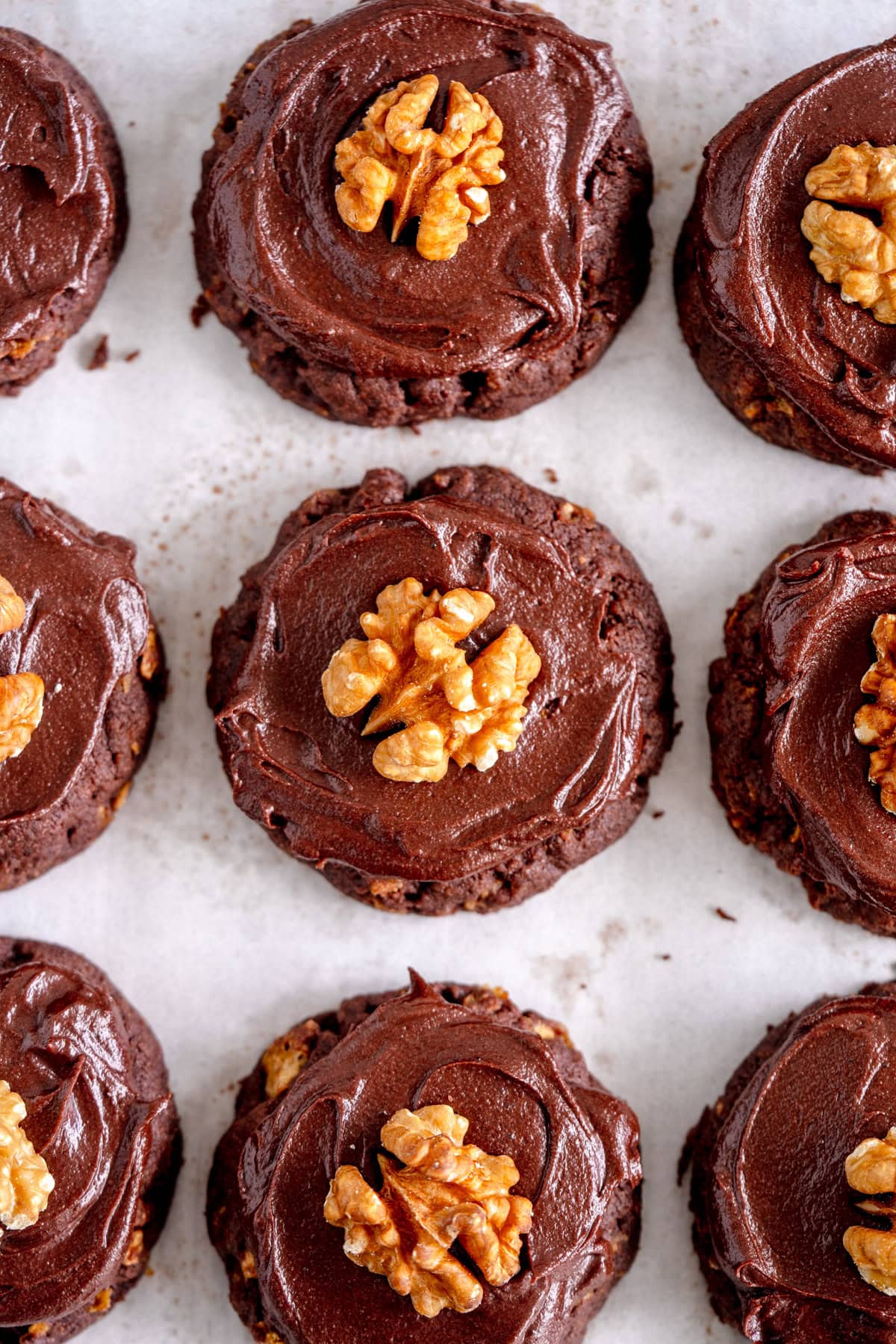
Afghan Biscuit
Chocolate Cornflake Biscuit
Afternoon tea, bake sales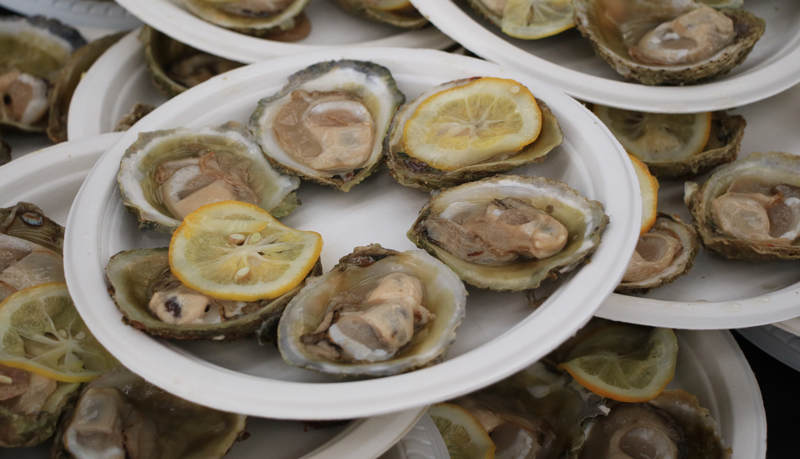 Easy
📜 Story
Easy
📜 Story
Bluff Oysters
Raw Bluff Oysters on the Half Shell
Seasonal, March to August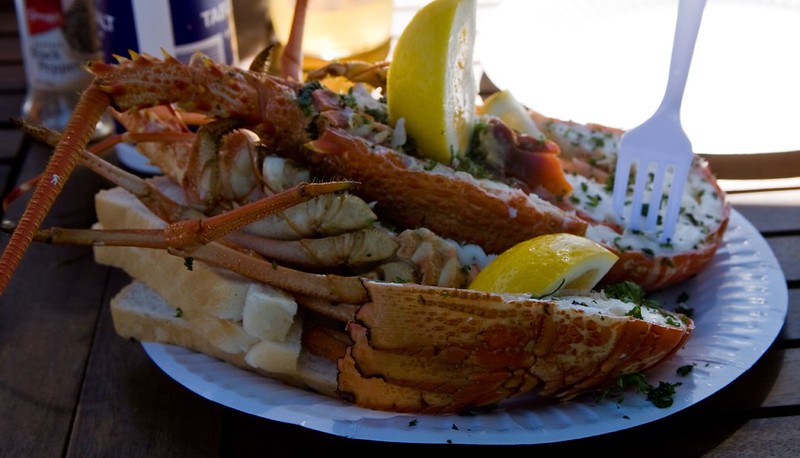 Medium
📜 Story
Medium
📜 Story
Crayfish
Grilled New Zealand Crayfish
Special occasions, summer dining Easy
📜 Story
Easy
📜 Story
Feijoa Crumble
Baked Feijoa Crumble
Autumn dessert when feijoas are in season
Comments (0)
Log in to leave a comment.
No comments yet. Be the first to share your thoughts!