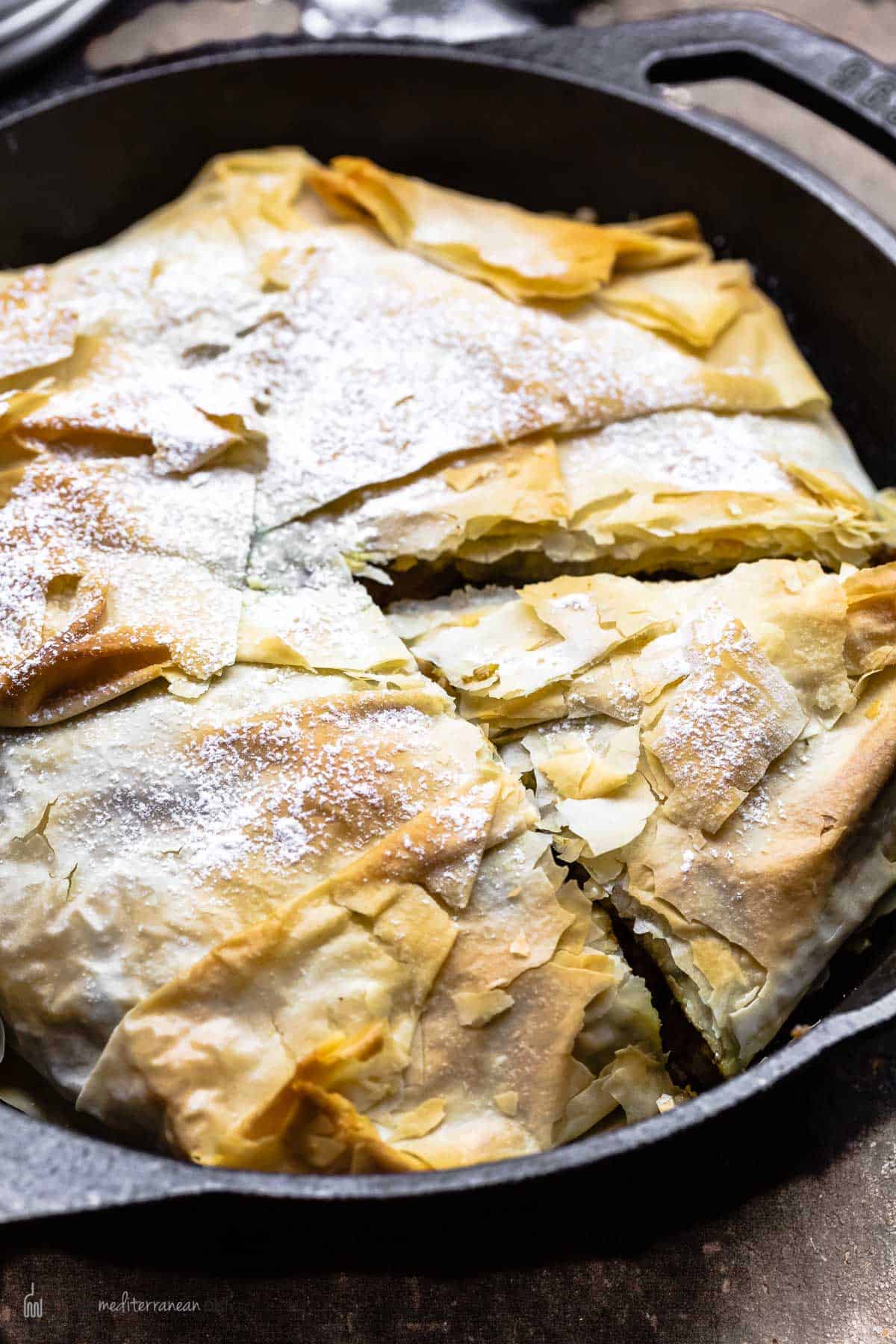
Crispy warqa pastry encasing shredded chicken, cinnamon-sugar almonds, and delicate egg custard, dusted with powdered sugar. Sweet-savory masterpiece at its most refined.
Nutrition & Info
Allergen Warnings
Equipment Needed
Presentation Guide
Vessel: round platter, pie-shaped
Garnishes: powdered sugar, cinnamon lattice pattern
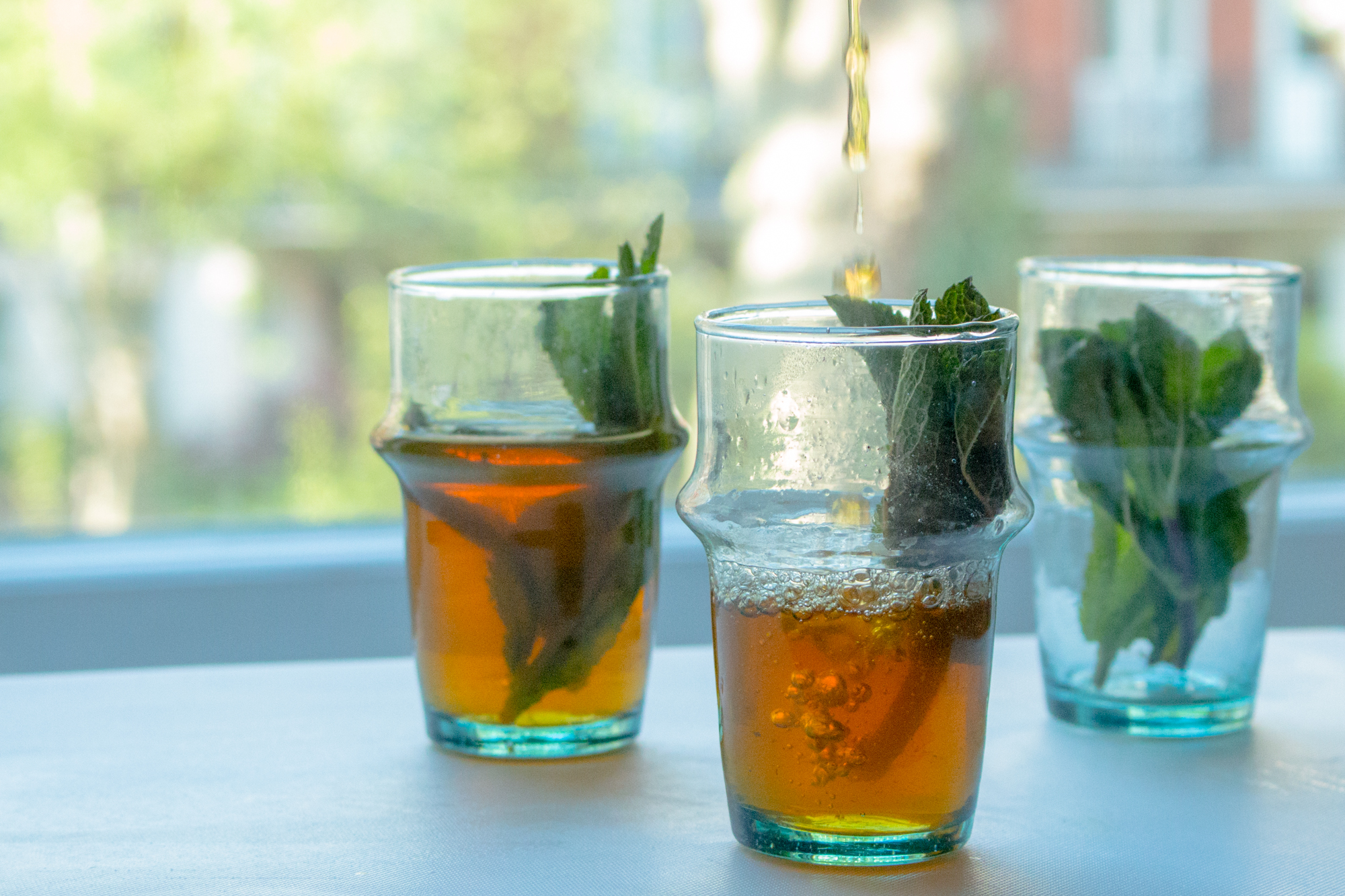
Accompaniments: mint tea
Instructions
-
1
Place the chicken pieces in a large pot with the chopped onion, cilantro, parsley, ginger, turmeric, saffron, and one teaspoon of cinnamon. Add just enough water to cover, bring to a boil, then simmer for one hour until the chicken is completely tender.
-
2
Remove the chicken and shred the meat finely, discarding all skin and bones. Reduce the remaining broth over high heat until about one cup remains. Lower the heat and pour in the beaten eggs, stirring constantly until they form soft, creamy curds in the sauce.
-
3
Toast the almonds in a dry skillet until golden, then crush them coarsely. Toss the crushed almonds with the remaining cinnamon and two tablespoons of powdered sugar to create the sweet, crunchy layer that gives pastilla its distinctive character.
-
4
Brush a round baking pan generously with melted butter. Layer four sheets of warqa or phyllo dough in the pan, overlapping and extending over the edges, brushing each sheet with melted butter before adding the next one to build a crispy shell.
-
5
Spread the shredded chicken evenly across the bottom pastry layer. Top with the egg and sauce mixture spread to the edges. Sprinkle the sweetened almond mixture evenly over the egg layer, creating distinct layers of savoury and sweet.
-
6
Fold the overhanging pastry sheets over the filling, then top with four more buttered sheets tucked under the edges to seal the pie completely. Brush the top generously with melted butter to ensure a deeply golden, flaky crust during baking.
-
7
Bake at one hundred and eighty degrees Celsius for thirty minutes until the pastry is deeply golden and crisp. Remove from the oven and dust the top generously with powdered sugar, then create a lattice pattern with ground cinnamon. Serve immediately.
Did You Know?
Pastilla came from Moorish Andalusia to Morocco with Muslims expelled from Spain in the 15th century.
Chef's Notes
Equipment Tips
- large skillet
- baking sheet
- pastry brush
Garnishing
powdered sugar, cinnamon lattice pattern
Accompaniments
mint tea
The Story Behind بسطيلة
Pastilla is most closely associated with the city of Fez, where Berbers, Andalusian Moors, and Sephardic Jews who settled after the 1492 expulsion from Spain all contributed to its development. The name derives from the Spanish word 'pastilla' (small pastry or pill), reflecting its Andalusian heritage. Historian Anny Gaul identifies recipes with strong resemblance to modern pastilla filling in 13th-century Andalusi cookbooks. The dish became famous during the Saadian Empire in the 17th century and was traditionally made with squab (young pigeon), though chicken has become the more common filling today.
Pastilla is considered the crown jewel of Moroccan cuisine, a dish that embodies the country's unique talent for combining sweet and savory in a single creation. It represents the culinary sophistication of Fez, Morocco's spiritual and cultural capital, and the legacy of Andalusian refugees who brought their refined cooking traditions. The labor-intensive preparation of warqa dough, stretched by hand into translucent sheets, is itself an art form. Traditional pigeon pastilla is increasingly rare and considered a special delicacy, a testament to the dish's aristocratic origins.
Comments (0)
Log in to leave a comment.
No comments yet. Be the first to share your thoughts!