
Intricate flower-shaped cookies fried golden, dunked in warm honey, and rolled in sesame seeds. These labor-of-love sweets are the quintessential Ramadan treat.
Nutrition & Info
Allergen Warnings
Equipment Needed
Presentation Guide
Vessel: decorative plate or platter, piled high
Garnishes: sesame seeds, honey glaze
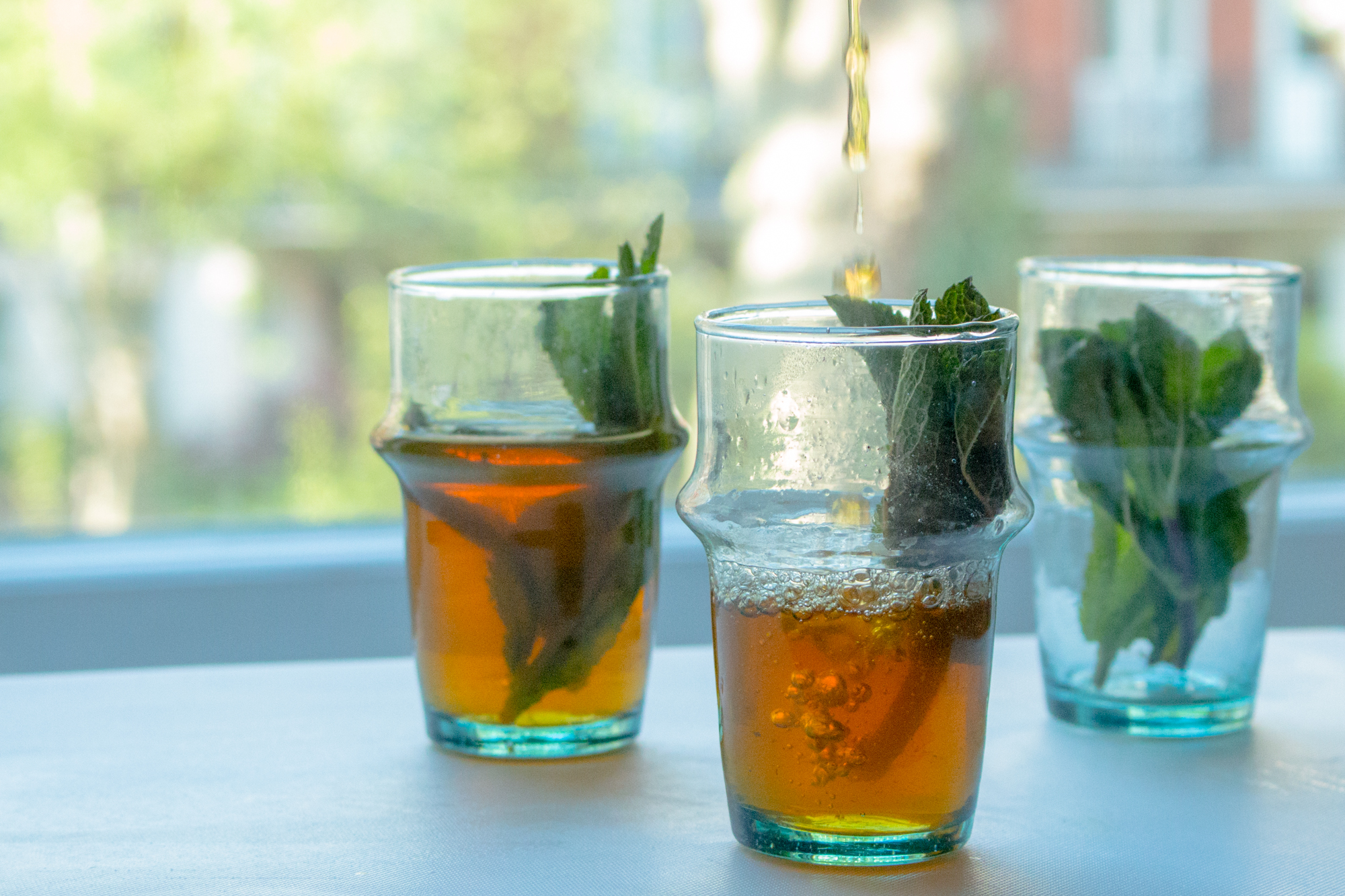
Accompaniments: mint tea
Instructions
-
1
Toast the sesame seeds in a dry skillet over medium heat until golden and fragrant, then grind them to a fine powder. Combine with flour, ground almonds, cinnamon, anise, and baking powder in a large bowl, mixing the dry ingredients thoroughly.
-
2
Add the egg, melted butter, saffron water, and orange blossom water to the dry ingredients. Mix and knead for ten minutes until you have a smooth, firm dough that is not sticky. Cover with cling film and rest for thirty minutes.
-
3
Roll the dough out on a floured surface to about three millimetres thick. Cut into rectangles approximately eight by twelve centimetres. Make four lengthwise slits in the centre of each rectangle, leaving the edges intact to form a window-like pattern.
-
4
Shape each piece into the traditional flower form by carefully pulling alternate strips through each other and pinching the ends together. This intricate folding creates the signature rose-like shape that characterises authentic chebakia from Moroccan bakeries.
-
5
Heat vegetable oil in a deep pot to one hundred and seventy degrees Celsius. Fry the shaped cookies two or three at a time for about two minutes per side until they turn a deep golden amber colour, turning carefully with long tongs.
-
6
Remove the fried chebakia and immediately submerge them in warm honey for two to three minutes, turning to coat every surface completely. The warm pastry absorbs the honey readily, creating a sticky, sweet glaze that penetrates the crispy layers.
-
7
Lift the honey-coated chebakia out with a fork, allowing excess honey to drip off. Place on a wire rack set over a tray and immediately sprinkle with toasted sesame seeds while the honey is still tacky. Allow to cool completely before serving.
Did You Know?
Families gather to make chebakia before Ramadan — grandmothers teach the intricate shaping to younger generations.
Chef's Notes
Equipment Tips
- deep fryer
- flower-shaped mold
- saucepan for honey
Garnishing
sesame seeds, honey glaze
Accompaniments
mint tea
The Story Behind شباكية
### The Story
Chebakia is a flower-shaped Moroccan pastry whose origins reflect the country's position at a crossroads of civilizations. Its creation draws from Berber, Andalusian, and Arab culinary traditions, with some historians tracing specific influences to the Moorish pastry-making traditions of Al-Andalus, while others point to Ottoman confectionery techniques that reached Morocco through Algeria. The name refers to the flower shape achieved by intricately folding and intertwining strips of dough before deep-frying. The dough is spiced with anise, cinnamon, and saffron, then fried to golden crispness and drenched in honey-orange blossom syrup, finished with a shower of sesame seeds.
### On the Calendar
Chebakia is produced in large batches at the start of Ramadan and served alongside harira at iftar throughout the holy month. It also appears at religious celebrations, weddings, and Eid festivities.
### Then & Now
The art of making chebakia is traditionally passed from mother to daughter, with families gathering before Ramadan to produce hundreds of pieces together. While the hand-shaping technique remains unchanged, some modern bakeries use machines to speed production. The pastry's combination of honey sweetness and warm spice remains the perfect complement to savory harira.
### Legacy
Chebakia is edible proof of Morocco's layered cultural history -- Berber, Arab, Andalusian, and Ottoman traditions folded together into a single, exquisite flower of dough.
Comments (0)
Log in to leave a comment.
No comments yet. Be the first to share your thoughts!