
Elongated fried pastry shaped like a shoe sole, stacked in elaborate towers during Tsagaan Sar. Mildly sweet and firm, designed for display and snacking.
Nutrition & Info
Allergen Warnings
Equipment Needed
Presentation Guide
Vessel: ceremonial plate with tower arrangement
Garnishes: aaruul, wrapped candy
Accompaniments: suutei tsai
Instructions
-
1
Cream butter and sugar. Beat in eggs one at a time. Add warm milk.
-
2
Gradually add flour and salt, mixing until a firm smooth dough forms. Rest 30 minutes.
-
3
Roll dough to 1.5cm thickness. Cut into elongated oval shapes about 15cm long.
-
4
Stamp decorative patterns on each piece using a fork or traditional stamp.
-
5
Fry at 150C until golden, about 4 minutes per side. Low temperature ensures even cooking without burning.
-
6
Cool completely. Stack in odd-numbered layers (3,5,7 or 9) with aaruul and candy between layers.
Did You Know?
The number of layers in an ul boov tower indicates the family's age and status: elders get taller towers with more layers.
Chef's Notes
Equipment Tips
- deep fryer or pot
- rolling pin
- decorative stamp or fork
Garnishing
aaruul, wrapped candy
Accompaniments
The Story Behind Ul Boov
Ul boov is the ceremonial centerpiece of Tsagaan Sar, the Mongolian Lunar New Year. Families spend days preparing these shoe-sole shaped pastries, which are stacked in towers called idee. The tradition dates back centuries and carries deep symbolic meaning. The number of layers must always be odd: young families stack 3 layers, middle-aged families 5 or 7, and the eldest 9. The tower remains on display throughout the holiday as guests visit, symbolizing the family's respect for tradition and prosperity.
More Mongolian Dishes
 Medium
📜 Story
Medium
📜 Story
Aaruul
Dried Curd Cheese
Year-round snack, especially during travel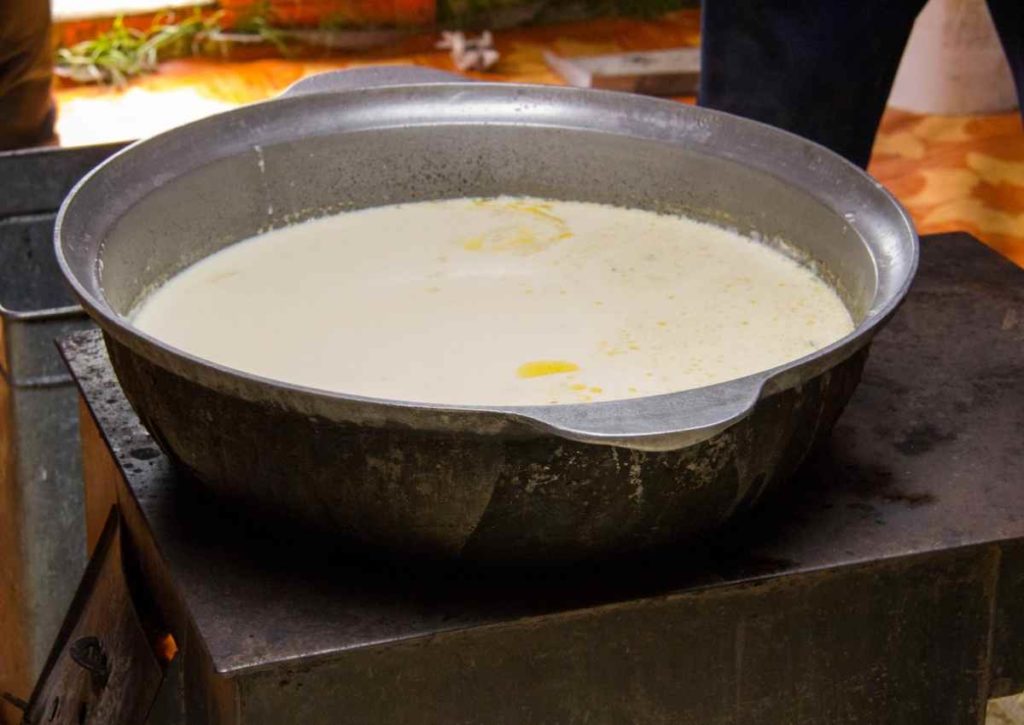 Hard
📜 Story
Hard
📜 Story
Airag
Fermented Mare's Milk
Summer beverage, Naadam festival Medium
📜 Story
Medium
📜 Story
Banshtai Tsai
Dumpling Soup with Milk Tea
Winter breakfast and cold weather meals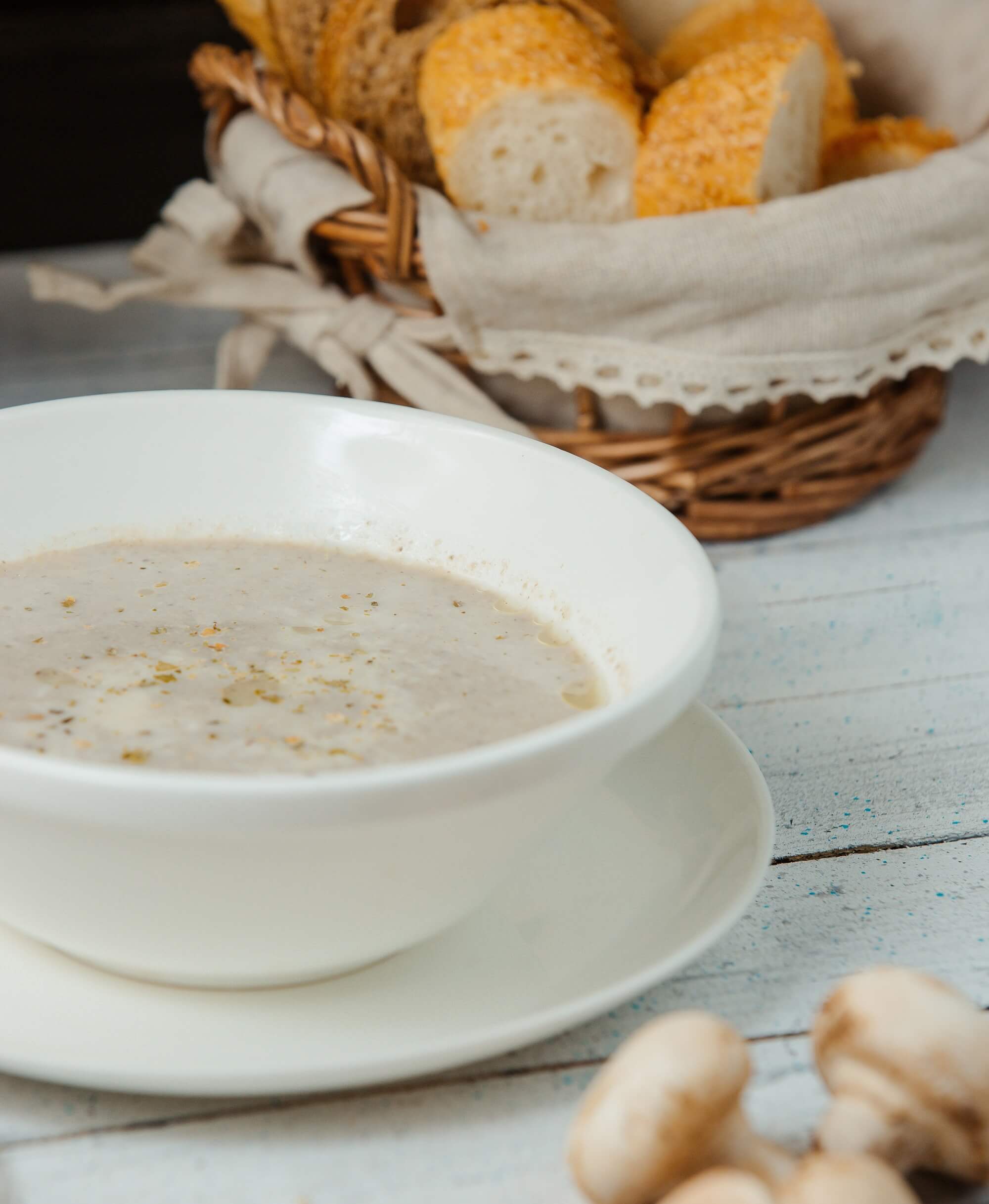 Easy
📜 Story
Easy
📜 Story
Bantan
Flour Crumble Soup
When ill, for recovery, or on cold mornings
Comments (0)
Log in to leave a comment.
No comments yet. Be the first to share your thoughts!