
A hearty Mongolian potato salad with diced vegetables, eggs, and meat dressed in mayonnaise. Named after Ulaanbaatar, it is a fixture at every celebration.
Nutrition & Info
Allergen Warnings
Equipment Needed
Presentation Guide
Instructions
-
1
Boil potatoes and carrots until tender. Cool completely, then dice into 1cm cubes.
-
2
Dice hard-boiled eggs and cooked meat to the same size as the vegetables.
-
3
Combine potatoes, carrots, eggs, meat, peas, and pickled cucumbers in a large bowl.
-
4
Add mayonnaise, salt, and pepper. Fold gently until everything is evenly coated.
-
5
Refrigerate at least 1 hour before serving to let flavors meld.
-
6
Mound on a serving plate. This salad improves on the second day.
Did You Know?
Niislel salat is essentially the Mongolian version of Russian Olivier salad, adapted during decades of Soviet cultural exchange.
Chef's Notes
Equipment Tips
- large pot
- mixing bowl
- sharp knife
Garnishing
fresh dill, egg slices
Accompaniments
The Story Behind Niislel Salat
Niislel salat entered Mongolian cuisine during the Soviet period when Russian cultural influence was at its peak. The original Russian Olivier salad was transformed with local ingredients and preferences. Named after the capital city Ulaanbaatar (niislel means capital), it became the quintessential celebration dish. No Mongolian birthday, wedding, or holiday gathering is complete without this salad, making it one of the most recognized dishes in the modern Mongolian repertoire.
More Mongolian Dishes
 Medium
📜 Story
Medium
📜 Story
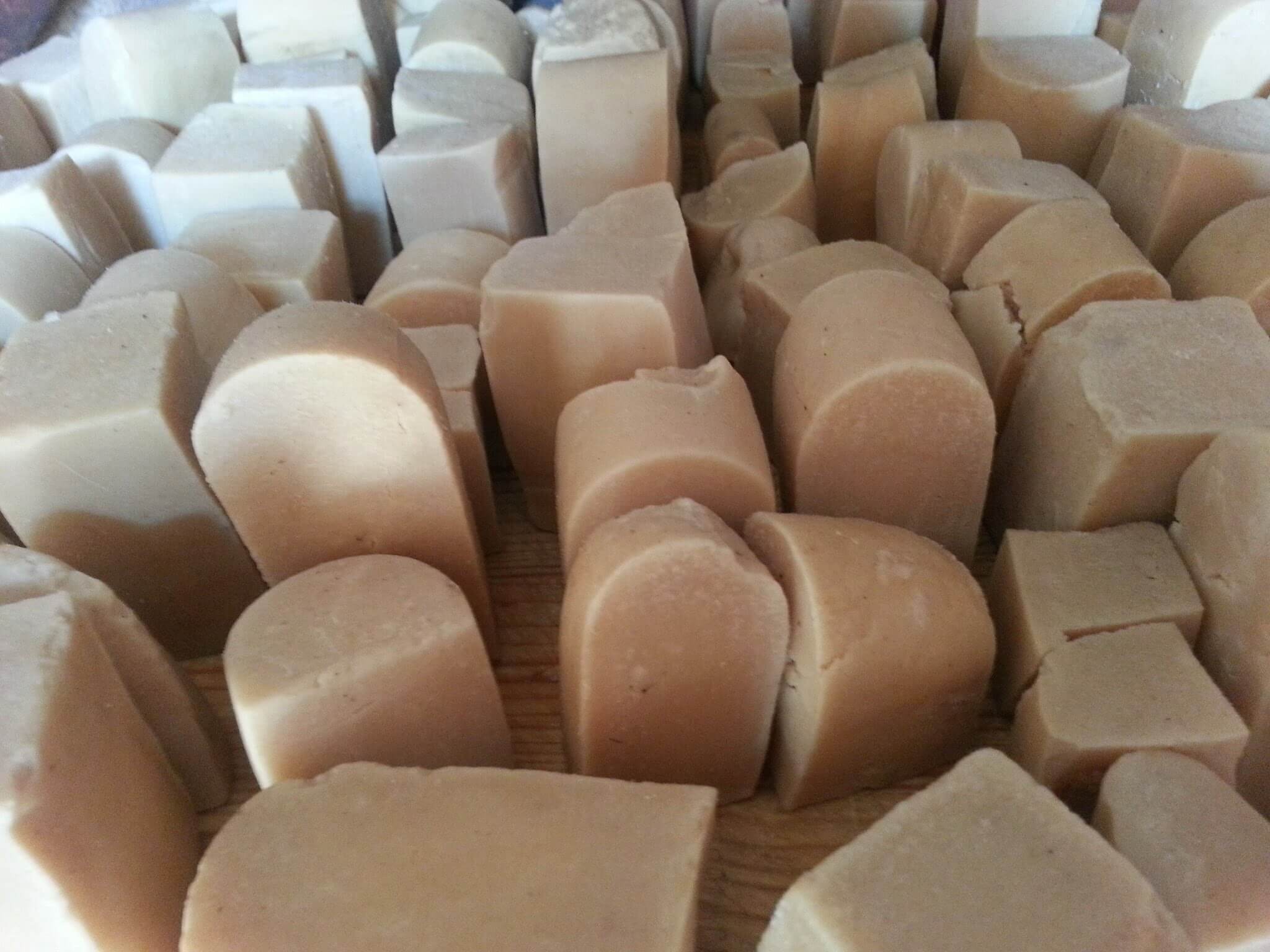
Aaruul
Dried Curd Cheese
Year-round snack, especially during travel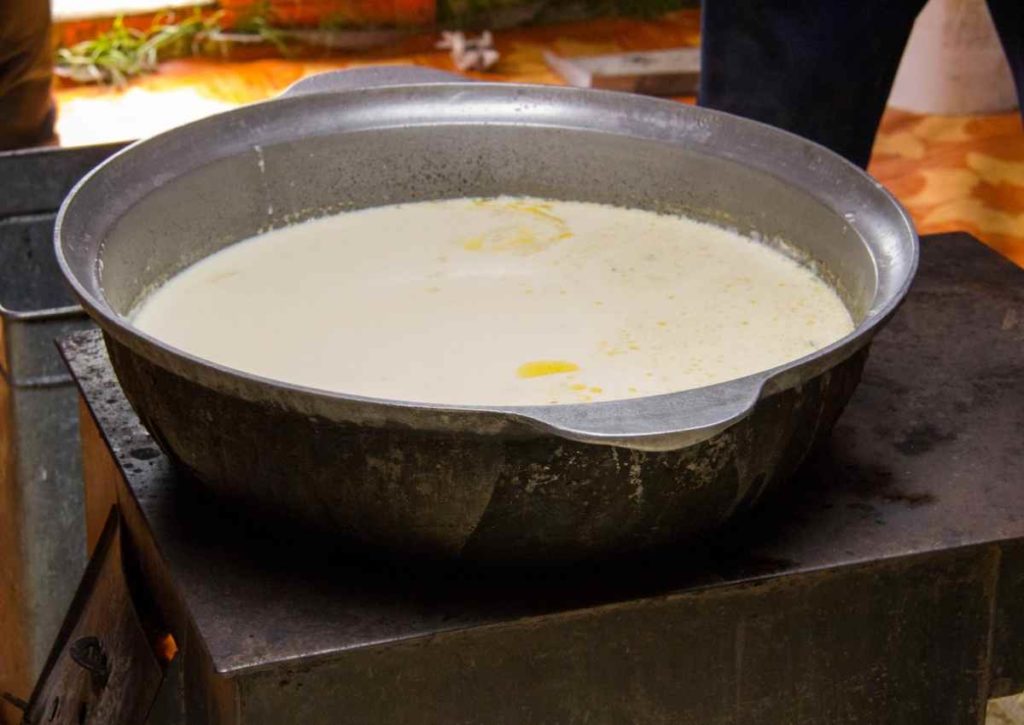 Hard
📜 Story
Hard
📜 Story
Airag
Fermented Mare's Milk
Summer beverage, Naadam festival Medium
📜 Story
Medium
📜 Story
Banshtai Tsai
Dumpling Soup with Milk Tea
Winter breakfast and cold weather meals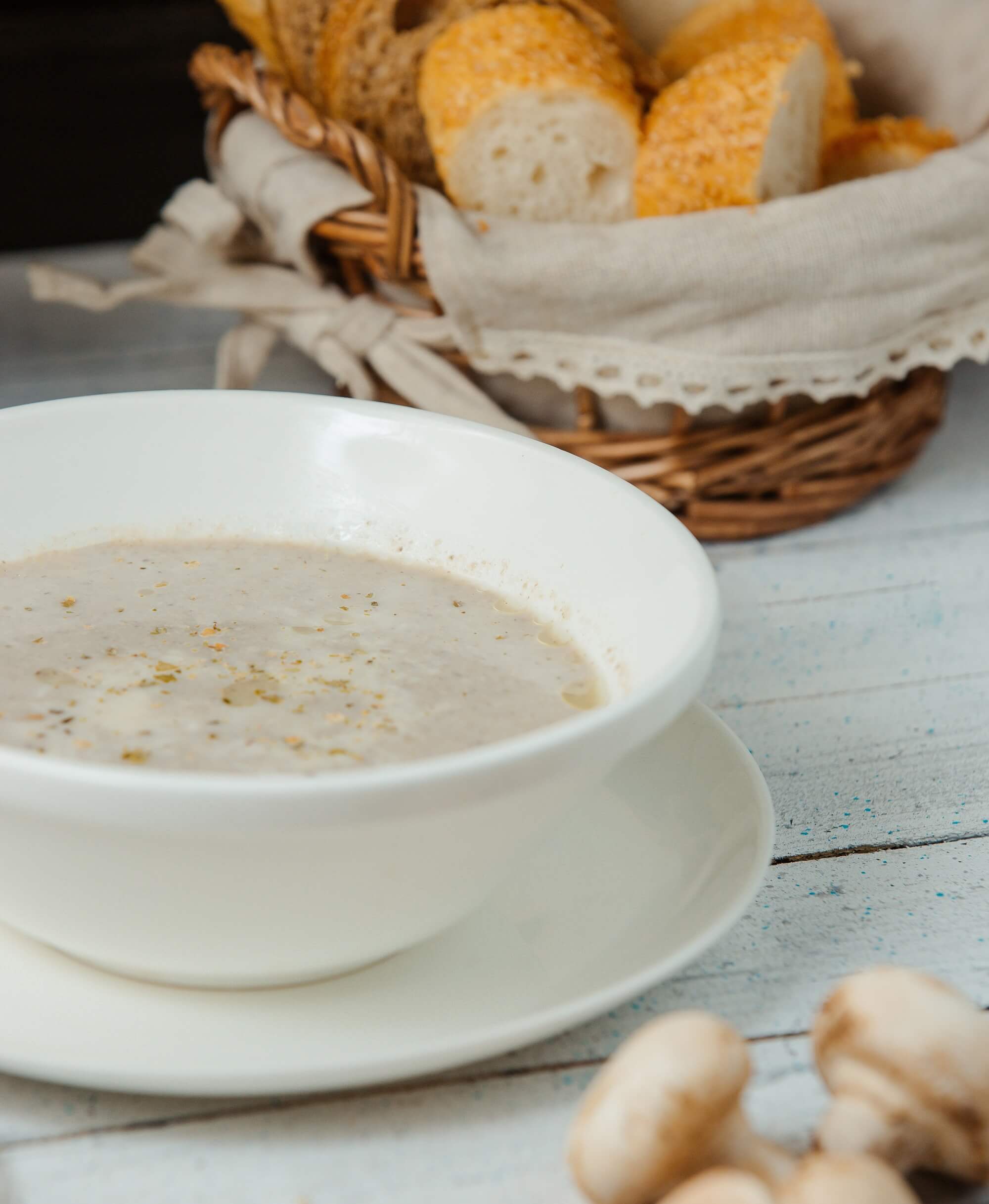 Easy
📜 Story
Easy
📜 Story
Bantan
Flour Crumble Soup
When ill, for recovery, or on cold mornings
Comments (0)
Log in to leave a comment.
No comments yet. Be the first to share your thoughts!