
A light, clear beef broth with very thin noodles and shredded vegetables. A gentler alternative to guriltai shul, popular in Mongolian canteens and homes.
Nutrition & Info
Allergen Warnings
Equipment Needed
Presentation Guide
Instructions
-
1
Make noodle dough from flour, egg, water, and pinch of salt. Knead well, rest 15 minutes.
-
2
Roll dough very thin and cut into fine noodles about 2mm wide.
-
3
Sear beef slices in oil over high heat, 2 minutes. Remove and set aside.
-
4
Saute onion and carrot in the same pot for 3 minutes.
-
5
Add broth, bring to boil. Add noodles, cook 5 minutes until tender.
-
6
Return beef to pot, add salt and parsley. Serve immediately in deep bowls.
Did You Know?
Lavsha is the go-to lunch at Mongolian cafeterias and canteens. Office workers across Ulaanbaatar eat it almost daily.
Chef's Notes
Equipment Tips
- pot
- rolling pin
- fine knife
Garnishing
fresh parsley, black pepper
Accompaniments
The Story Behind Lavsha
Lavsha reflects Russian culinary influence on Mongolian food culture during the Soviet era. The name itself comes from the Russian word lapsha meaning noodles. Compared to traditional guriltai shul, lavsha features thinner, more refined noodles and a clearer broth. It became the standard offering in institutional canteens and restaurants throughout the Soviet period and remains a staple of urban Mongolian dining. The dish bridges Russian and Mongolian food traditions in a single comforting bowl.
More Mongolian Dishes
 Medium
📜 Story
Medium
📜 Story
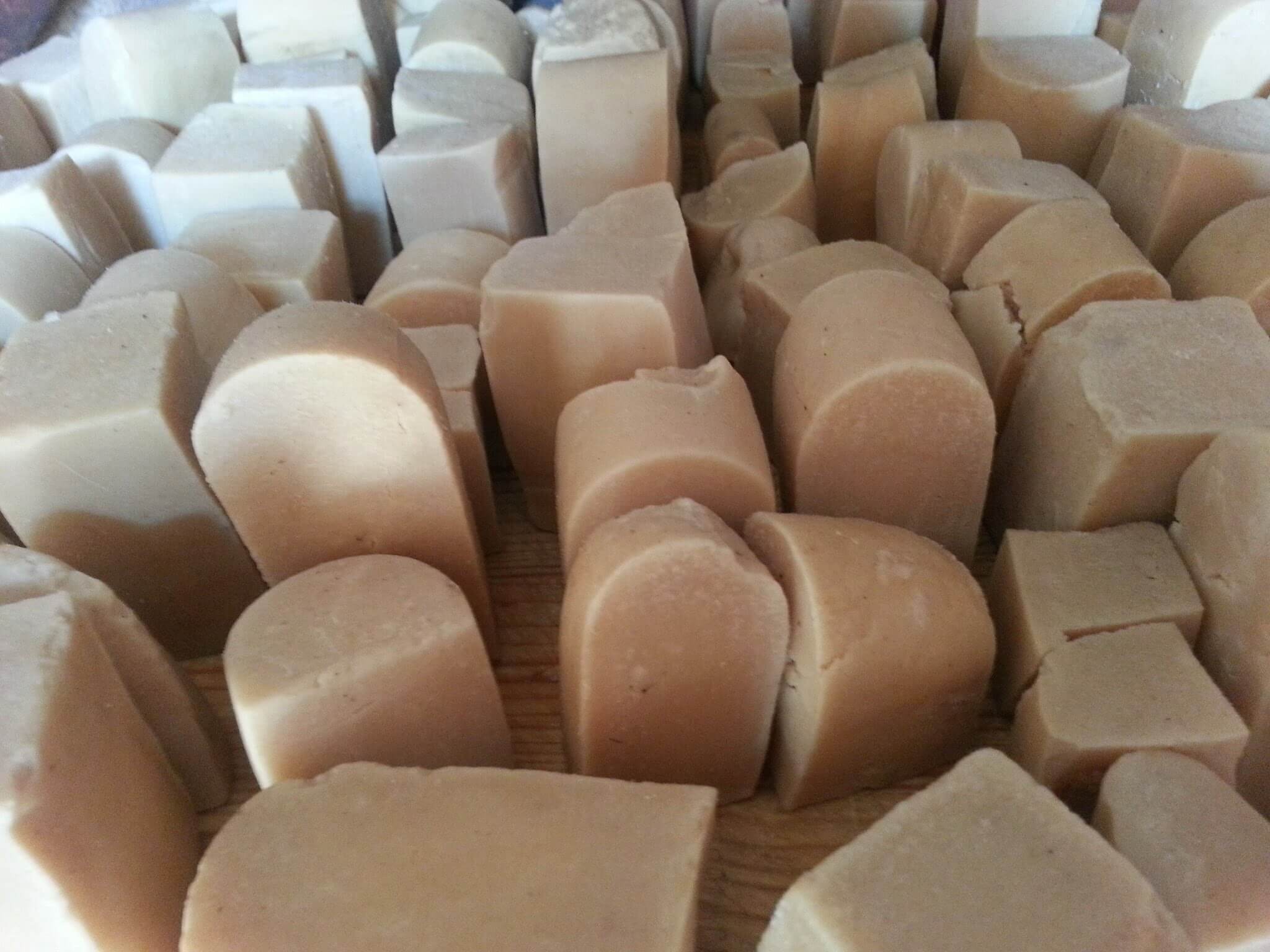
Aaruul
Dried Curd Cheese
Year-round snack, especially during travel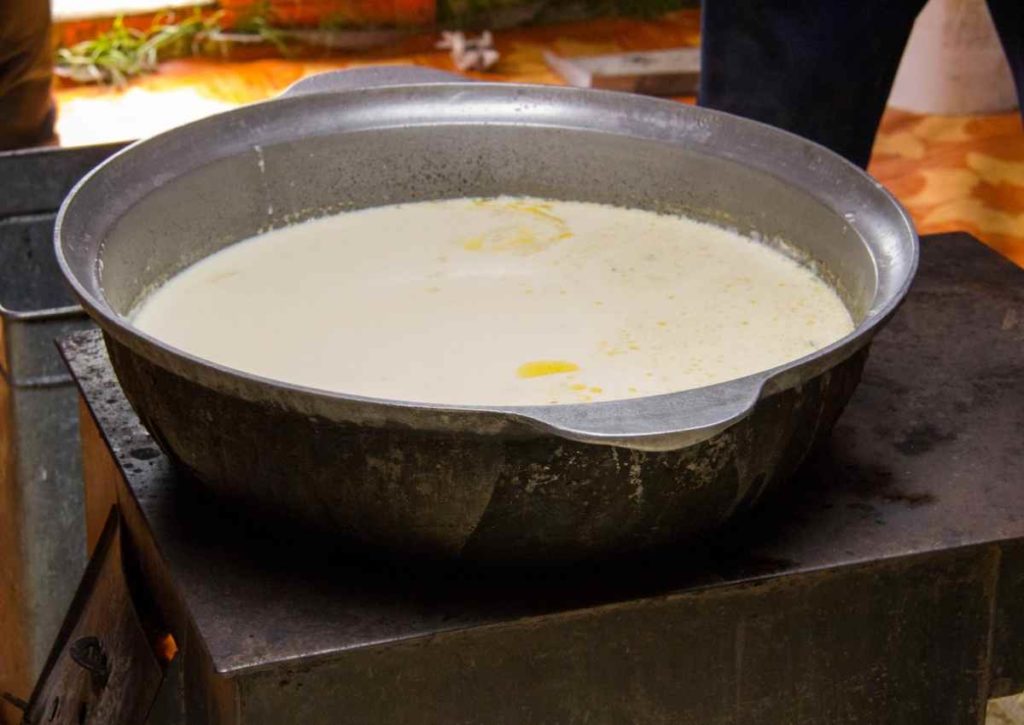 Hard
📜 Story
Hard
📜 Story
Airag
Fermented Mare's Milk
Summer beverage, Naadam festival Medium
📜 Story
Medium
📜 Story
Banshtai Tsai
Dumpling Soup with Milk Tea
Winter breakfast and cold weather meals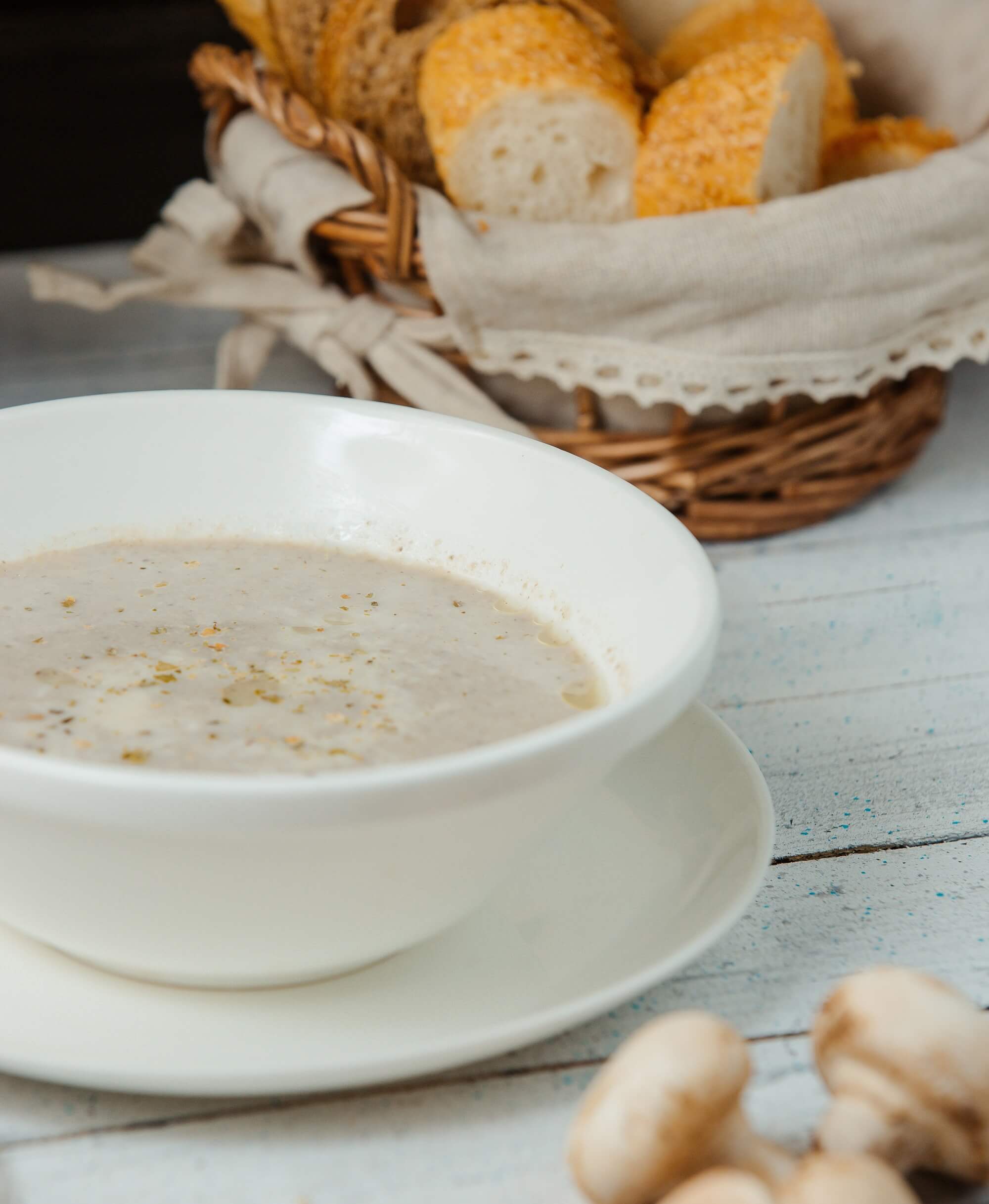 Easy
📜 Story
Easy
📜 Story
Bantan
Flour Crumble Soup
When ill, for recovery, or on cold mornings
Comments (0)
Log in to leave a comment.
No comments yet. Be the first to share your thoughts!