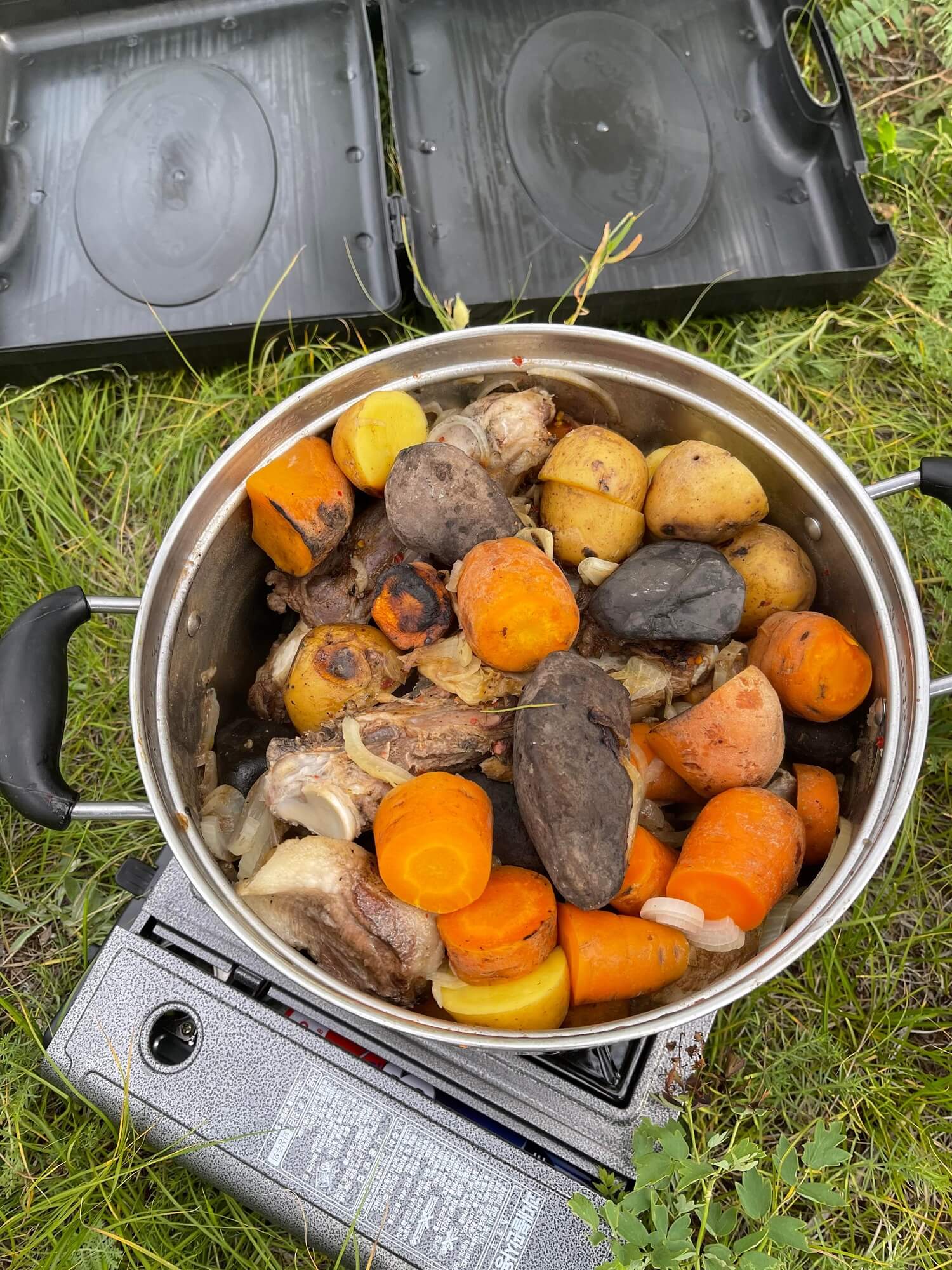
Lamb cooked with hot river stones, onions, and potatoes sealed inside a metal container. Mongolia's famous nomadic feast.
Nutrition & Info
Allergen Warnings
Equipment Needed
Presentation Guide
Vessel: communal serving from the cooking vessel
Garnishes: fresh onions
Accompaniments: boiled potatoes, carrots
Instructions
-
1
Clean ten to twelve smooth river stones thoroughly by scrubbing and boiling them. Heat the stones directly in a fire or on a gas burner until extremely hot and slightly glowing, using metal tongs to handle them safely throughout the entire process.
-
2
Season the lamb pieces generously with salt and black pepper, rubbing the seasonings into the meat. Layer the lamb into a large metal milk can, traditional metal container, or heavy pot that can be sealed tightly during cooking.
-
3
Build layers in the container by alternating seasoned lamb with the superheated stones, using tongs to place each stone carefully. The direct contact between the hot stones and meat creates the unique smoky flavour that is characteristic of khorkhog.
-
4
Add the potato halves, carrot chunks, and quartered onions between the layers of meat and stones. Pour the water into the container to generate steam, which combines with the radiant heat from the stones to cook everything simultaneously.
-
5
Seal the container tightly with its lid or cover with heavy-duty aluminium foil, ensuring no steam escapes. Allow the khorkhog to cook for one and a half to two hours, during which the pressurised steam and stone heat tenderise the lamb completely.
-
6
Open the container carefully, standing back to avoid the rush of extremely hot steam. The lamb should be falling off the bone and the vegetables perfectly tender and infused with the rich, smoky lamb flavour from the slow cooking process.
-
7
Remove the stones with tongs and discard them. Transfer the tender lamb and vegetables to a large communal platter. Traditionally, diners pass the warm greasy stones between their hands, which Mongolians believe promotes good health and blood circulation.
Did You Know?
Passing the hot stones from hand to hand after cooking is believed to be good for health and circulation.
Chef's Notes
Equipment Tips
- metal milk can or large pot
- hot stones
- tongs
Garnishing
fresh onions
Accompaniments
boiled potatoes, carrots
The Story Behind Khorkhog
The Story: Khorkhog is Mongolia's most dramatic cooking method: chunks of mutton or goat are layered with hot river stones, potatoes, carrots, and onions inside a sealed metal container (traditionally a milk churn) and cooked by the radiant heat of the stones from within. The technique is believed to descend from ancient Mongol battlefield cooking, when warriors heated stones in campfires and used them to cook meat in leather bags or animal stomachs during campaigns. Marco Polo described similar methods in his accounts of Mongol feasting.
On the Calendar: Khorkhog is a celebration and gathering dish, prepared for birthdays, family reunions, and outdoor festivals. It is especially associated with summer, when families and friends gather on the open steppe for picnics and the ritual of preparing khorkhog together.
Then & Now: The basic technique has remained unchanged for centuries, though metal milk churns replaced leather vessels and modern additions like carrots and potatoes reflect Russian influence. Khorkhog remains a communal, outdoor cooking event rather than a restaurant dish, preserving its connection to nomadic life.
Legacy: Khorkhog is cooking at its most elemental: fire, stone, meat, and sky. It connects modern Mongolians to their warrior ancestors and to the open steppe that defines their identity.
More Mongolian Dishes
 Medium
📜 Story
Medium
📜 Story
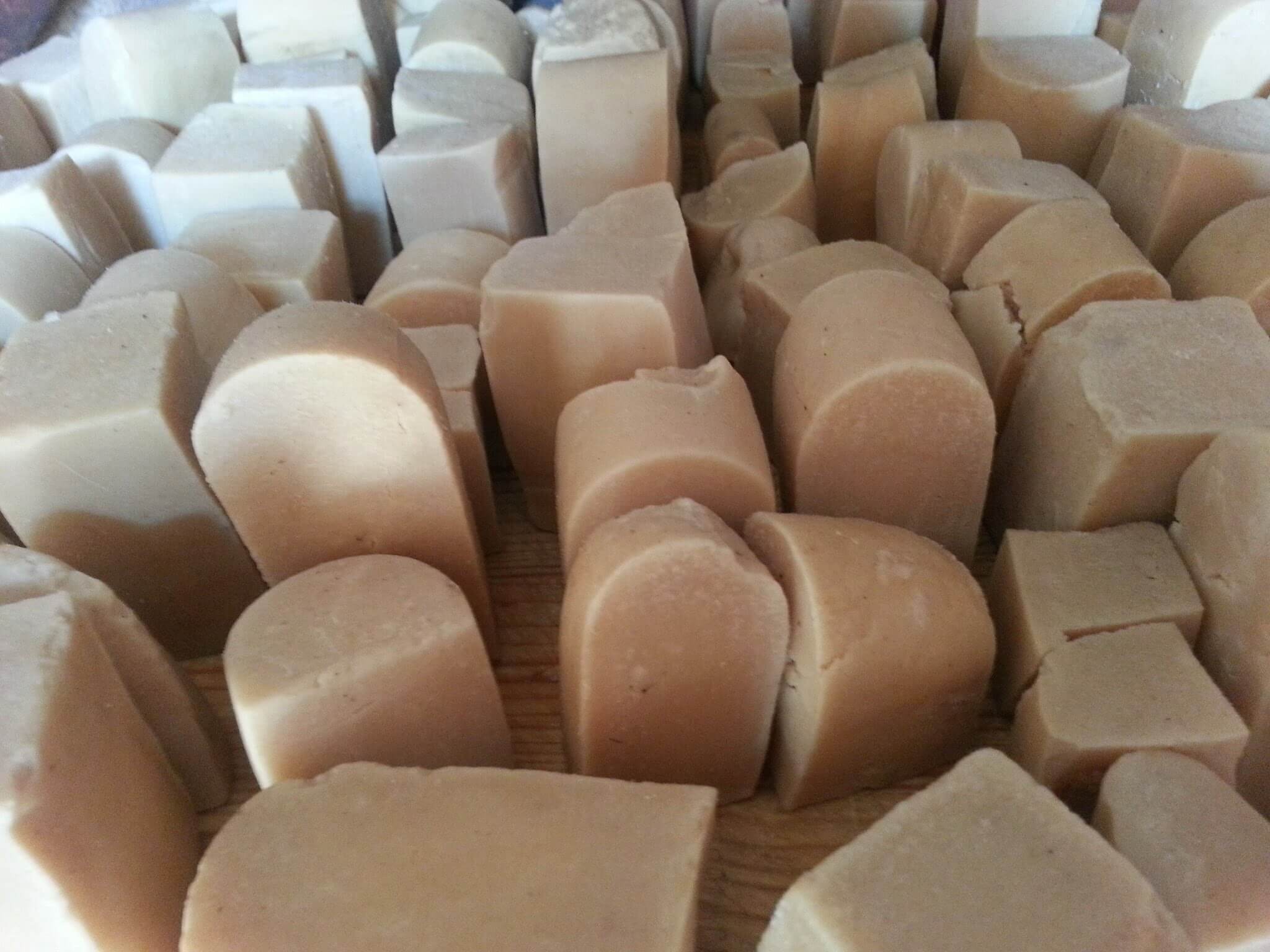
Aaruul
Dried Curd Cheese
Year-round snack, especially during travel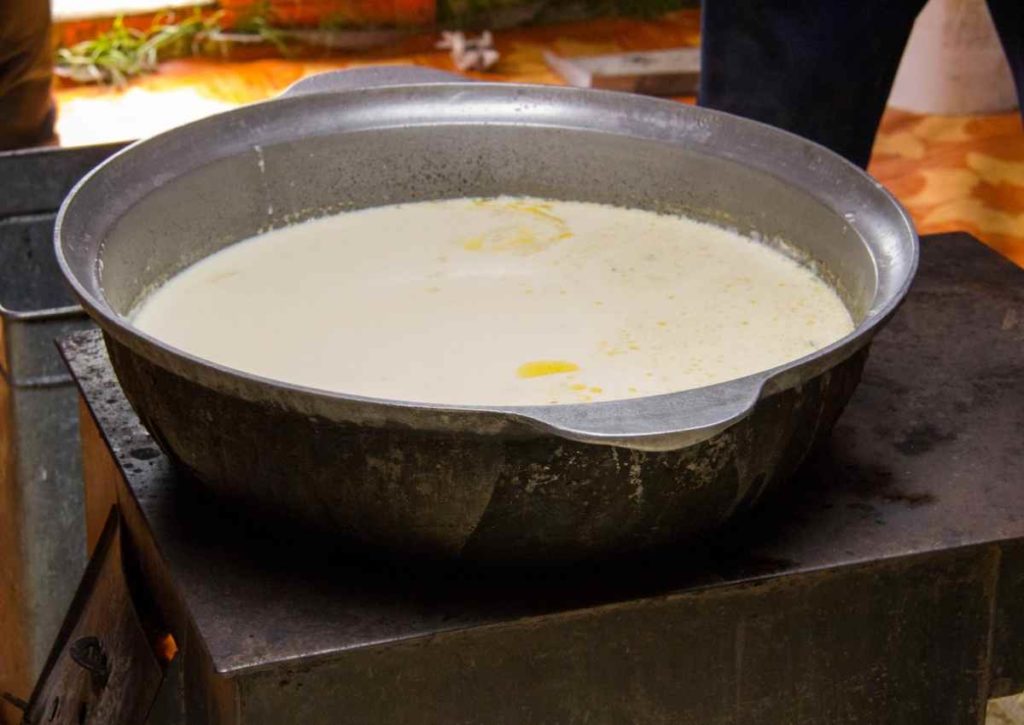 Hard
📜 Story
Hard
📜 Story
Airag
Fermented Mare's Milk
Summer beverage, Naadam festival Medium
📜 Story
Medium
📜 Story
Banshtai Tsai
Dumpling Soup with Milk Tea
Winter breakfast and cold weather meals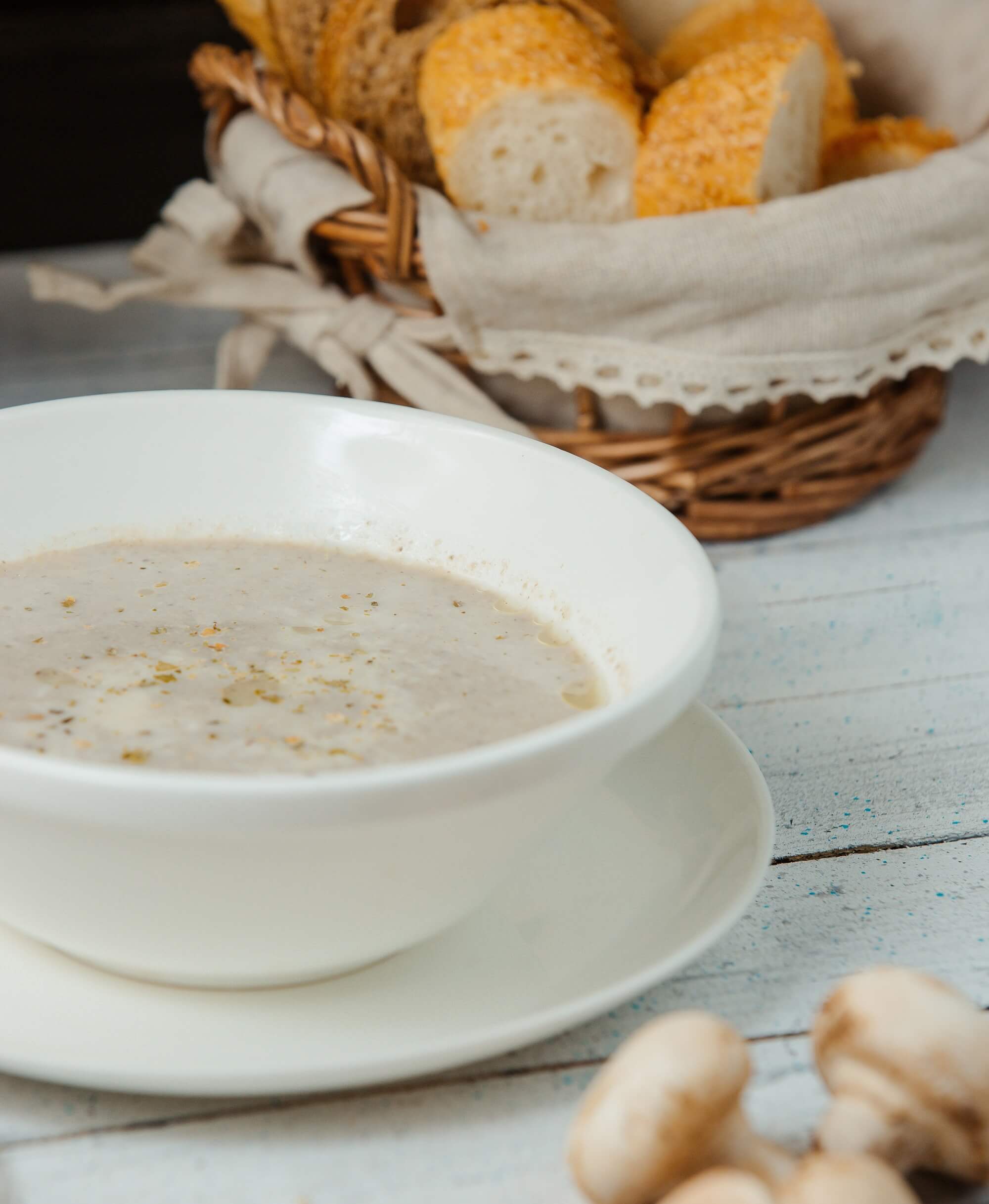 Easy
📜 Story
Easy
📜 Story
Bantan
Flour Crumble Soup
When ill, for recovery, or on cold mornings
Comments (0)
Log in to leave a comment.
No comments yet. Be the first to share your thoughts!