
Aluvi Boakibaa
އަލުވި ބޮއެކިބާ (ah-LOO-vee boh-ah-kee-BAH)
Sweet Taro Cake
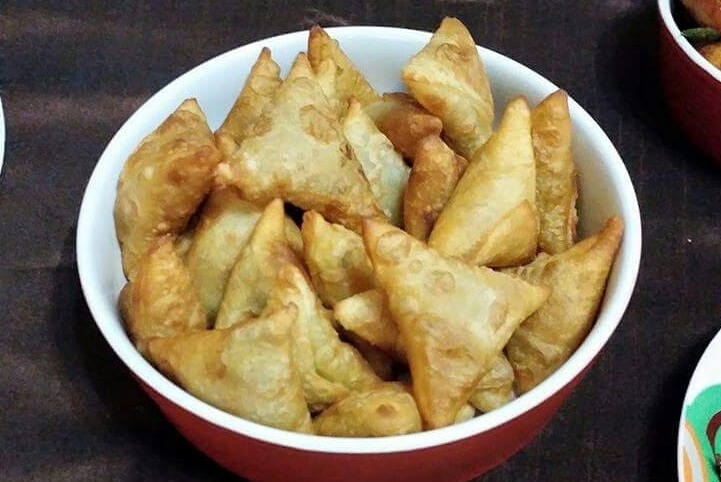
A dense, sweet cake made from boiled taro root, coconut, sugar, and cardamom, baked until golden and served in diamond-shaped pieces.
Nutrition & Info
Equipment Needed
Presentation Guide
Vessel: flat serving plate
Garnishes: desiccated coconut sprinkle
Accompaniments: black tea
Instructions
-
1
Boil taro root in salted water until very tender, about twenty minutes. Drain completely.
-
2
Mash the taro until smooth with no lumps. Mix in grated coconut, sugar, coconut milk, and ground cardamom.
-
3
Add beaten eggs and vanilla extract. Stir until the mixture is smooth and uniform.
-
4
Grease a baking pan with ghee. Pour in the taro mixture and smooth the top evenly.
-
5
Bake at 170C for thirty-five to forty minutes until the top is golden brown and a skewer comes out clean.
-
6
Cool in the pan for fifteen minutes, then cut into diamond or square shapes. Serve at room temperature.
Did You Know?
Every Maldivian island claims their version of Aluvi Boakibaa is the best, and inter-island debates about the ideal coconut-to-taro ratio are surprisingly passionate.
Chef's Notes
Equipment Tips
- baking pan
- potato masher
- mixing bowl
- oven
Garnishing
desiccated coconut sprinkle
Accompaniments
black tea
The Story Behind Aluvi Boakibaa
Aluvi Boakibaa is a beloved celebration cake that showcases taro, one of the few root vegetables that thrives in the sandy, salt-laden soil of the Maldivian islands. The cake format makes it easy to prepare in large quantities and share with the community during festivals and religious occasions. Its dense, satisfying texture and the fragrant combination of coconut and cardamom make it a perfect accompaniment to the strong black tea that punctuates Maldivian social gatherings.


Comments (0)
Log in to leave a comment.
No comments yet. Be the first to share your thoughts!