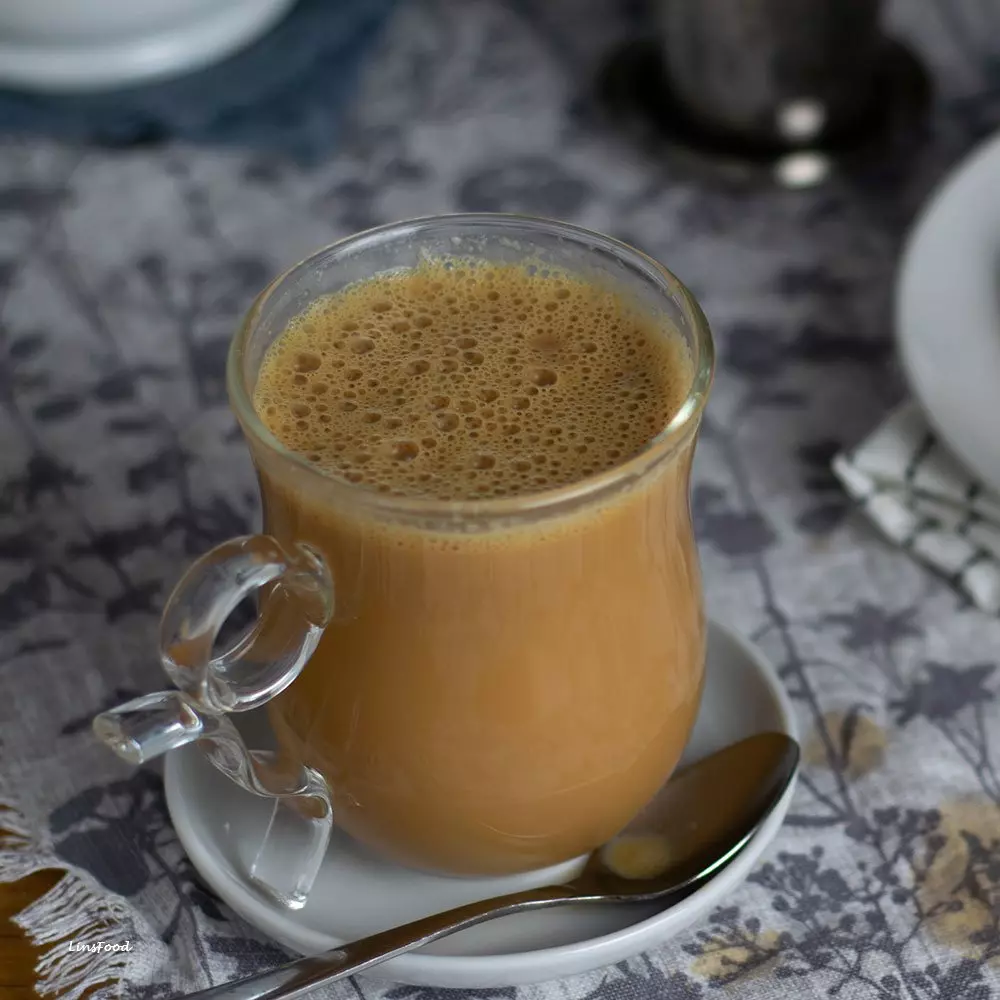
Strong black tea whipped with condensed milk by pouring it back and forth between two vessels in a dramatic high arc — producing a frothy, creamy, perfectly sweet tea that is Malaysia's national drink.
Nutrition & Info
Allergen Warnings
Equipment Needed
Presentation Guide
Instructions
-
1
Brew tea dust in boiling water for 3-4 minutes to get a very strong, dark tea.
-
2
Strain the tea into a large metal mug and add condensed milk.
-
3
Pour the tea from one mug to another in a long, high arc, stretching your arms to full extension.
-
4
Repeat the pulling motion 5-6 times rapidly — this aerates the tea and creates a thick froth.
-
5
The tea should have a creamy, foamy top layer. Pour into glasses and serve immediately.
-
6
For iced teh tarik (teh tarik ais), pour over a glass packed with ice.
Did You Know?
Teh tarik making is so revered that Malaysia holds annual teh tarik competitions where contestants are judged on the length of their pour, showmanship, and froth quality.
Chef's Notes
Equipment Tips
- two large metal mugs
- saucepan
- strainer
Garnishing
frothy top layer
Accompaniments
The Story Behind Teh Tarik
Teh tarik was brought to Malaya by Indian-Muslim immigrants who adapted the South Indian tradition of pulling coffee to local tea. The theatrical pulling technique is not just for show — it cools the tea, mixes the condensed milk thoroughly, and creates a frothy texture impossible to achieve by stirring. Teh tarik has become Malaysia's unofficial national drink, with UNESCO recognition being actively pursued.
More Malaysian Dishes
 Easy
📜 Story
Easy
📜 Story
Apam Balik
Peanut Pancake Turnover
Night market snack, afternoon treat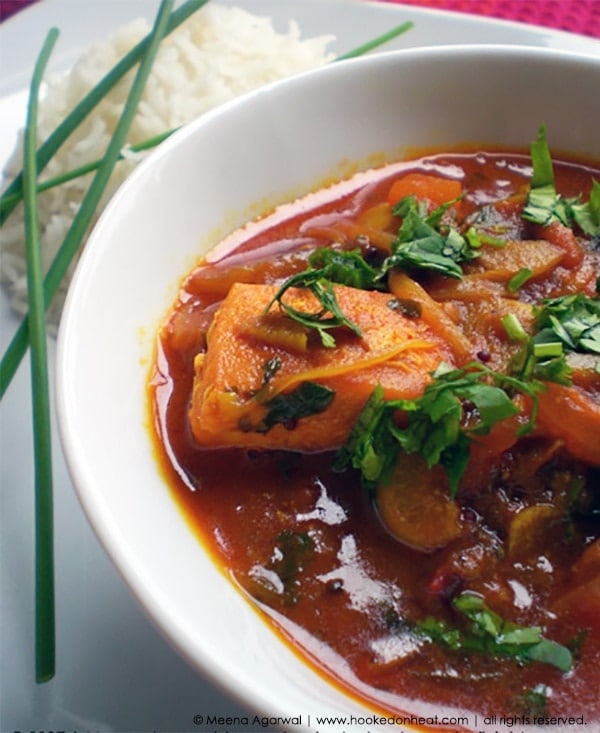 Medium
📜 Story
Medium
📜 Story
Asam Pedas
Sour and Spicy Fish Stew
Lunch, especially along the coastal states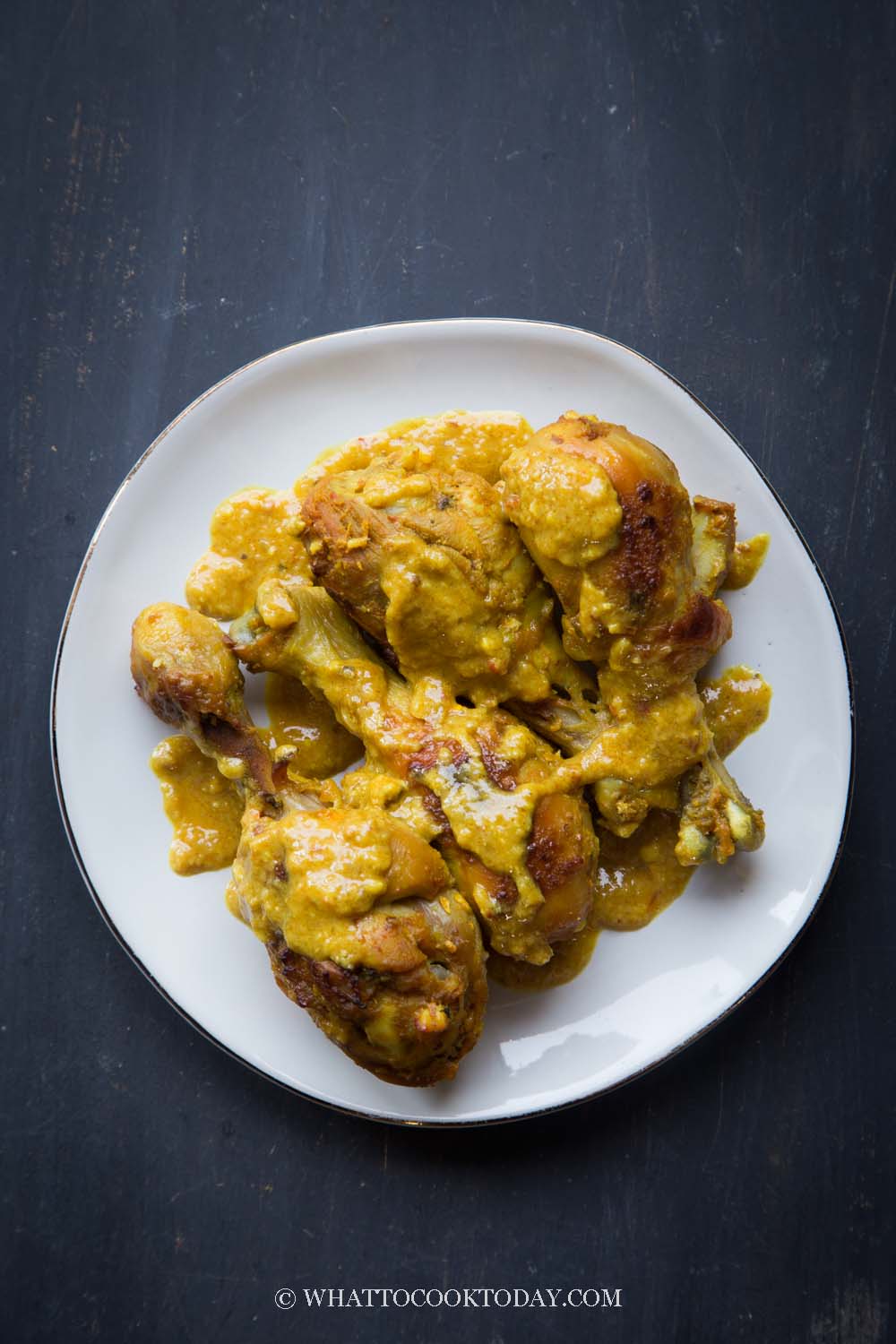 Medium
📜 Story
Medium
📜 Story
Ayam Percik
Flame-Grilled Spiced Chicken
Ramadan bazaars, night markets, festive occasions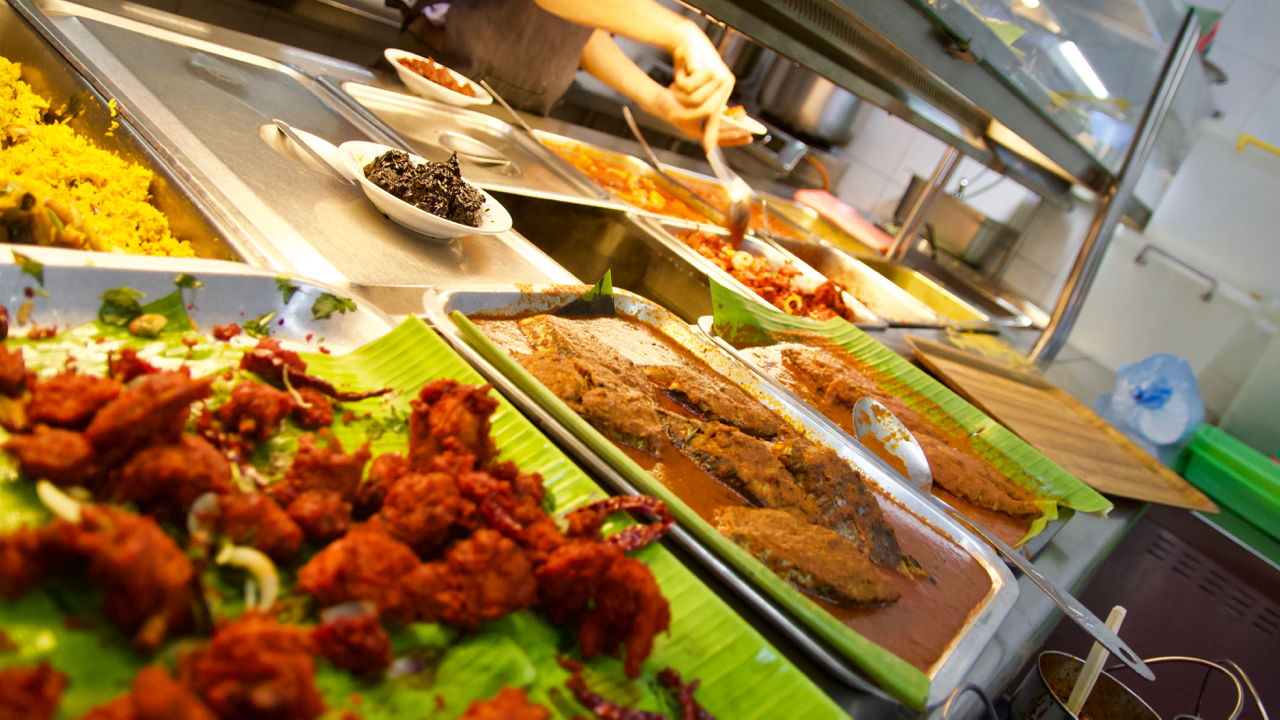 Medium
📜 Story
Medium
📜 Story
Banana Leaf Rice
South Indian Rice on Banana Leaf
Lunch, the main midday meal at Indian restaurants
Comments (0)
Log in to leave a comment.
No comments yet. Be the first to share your thoughts!