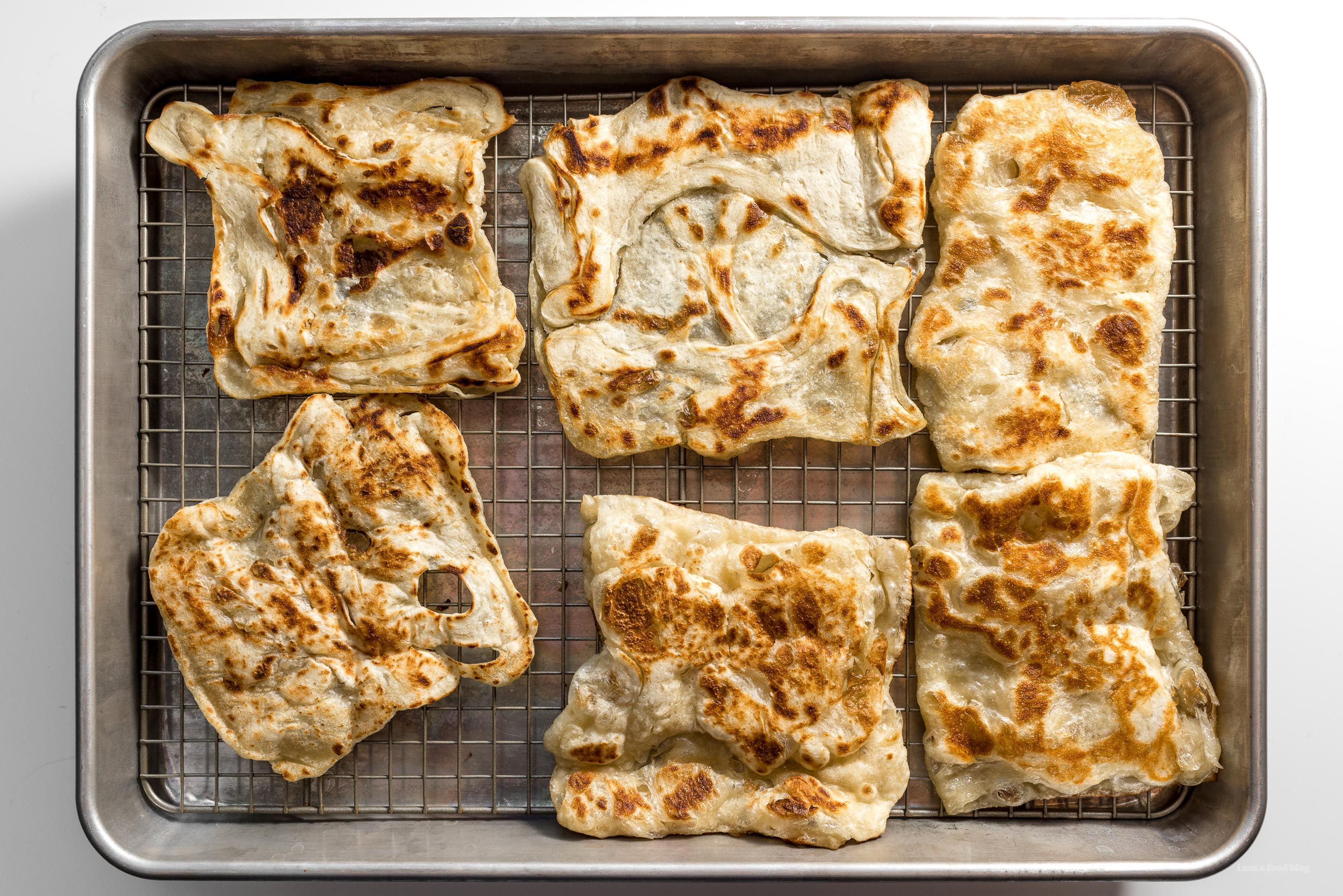
Impossibly flaky, buttery flatbread tossed and stretched until paper-thin, cooked on a griddle to golden perfection. Served with dhal and curry for dipping — Malaysia's favorite breakfast.
Nutrition & Info
Allergen Warnings
Equipment Needed
Presentation Guide
Vessel: plate with roti torn into pieces
Accompaniments: dhal curry, fish curry, sugar (for dipping)
Instructions
-
1
Combine the flour, salt, and sugar in a large mixing bowl. Add the egg, condensed milk, warm water, and melted ghee, then mix until a shaggy dough forms. Turn out onto a lightly oiled surface.
-
2
Knead the dough vigorously for ten minutes until it becomes smooth, elastic, and slightly tacky but not sticky. The gluten development is essential for achieving the paper-thin stretching required later.
-
3
Divide the dough into eight equal portions and roll each into a smooth ball. Coat each ball generously with melted ghee, place in a container, and cover tightly. Refrigerate for at least four hours or overnight.
-
4
When ready to cook, place one dough ball on a well-oiled surface. Using your fingertips, press the centre outward, then lift the dough and gently stretch it by pulling the edges in all directions until paper-thin and nearly translucent.
-
5
Fold the stretched dough sheet by bringing the top edge down to the centre, then the bottom edge up to overlap, then repeating from the sides to form a layered square parcel about fifteen centimetres across.
-
6
Heat a flat griddle or heavy skillet over medium-high heat with a thin film of ghee. Place the folded roti on the griddle and cook for two minutes per side until golden brown spots appear and the layers puff slightly.
-
7
Remove the cooked roti and immediately clap it firmly between your palms several times to separate and fluff the internal layers, creating the signature flaky texture. Serve hot alongside warm dhal curry for dipping.
Did You Know?
The theatrical tossing of roti canai dough is a skill that takes years to master — mamak stall cooks are like performance artists.
Chef's Notes
Equipment Tips
- flat griddle or tava
- large work surface
- oil brush
Accompaniments
dhal curry, fish curry, sugar (for dipping)
The Story Behind Roti Canai
### The Story
Roti canai is a flaky, buttery flatbread of Indian-Muslim origin that has become one of Malaysia's most beloved everyday foods. The bread was brought to Malaya by Indian Muslim (Mamak) immigrants, predominantly from southern India and Kerala, during the 19th and early 20th centuries. The name may derive from "Chennai" (formerly Madras) or from the Malay word canai meaning "to roll out." The technique involves stretching the dough by flipping it in the air until paper-thin, then folding it into layers with ghee, resulting in a bread that is simultaneously crispy on the outside and soft, flaky, and laminated within. Mamak stalls -- 24-hour Indian-Muslim eateries -- became the primary venue for roti canai, establishing it as a Malaysian institution.
### On the Calendar
Roti canai is primarily a breakfast food, eaten with dhal (lentil curry) and sambal, but is available around the clock at mamak stalls. It is a staple of late-night supper culture and is consumed by all Malaysian communities regardless of ethnicity.
### Then & Now
The art of making roti canai -- the rhythmic slapping, stretching, and spinning of the dough -- is a performance as much as a cooking technique. Skilled roti makers develop their craft over years. Variations include roti telur (with egg), roti bom (thicker, sweetened), roti tisu (tissue-thin and crispy), and roti planta (with margarine). The dhal accompaniment is essential -- a thin, mildly spiced yellow lentil curry that provides the perfect counterpoint to the bread's richness.
### Legacy
Roti canai is the edible proof of Malaysia's multicultural success -- an Indian-origin bread adopted by all Malaysians as their own, served in a uniquely Malaysian institution, and eaten at every hour of the day and night.
More Malaysian Dishes
 Easy
📜 Story
Easy
📜 Story
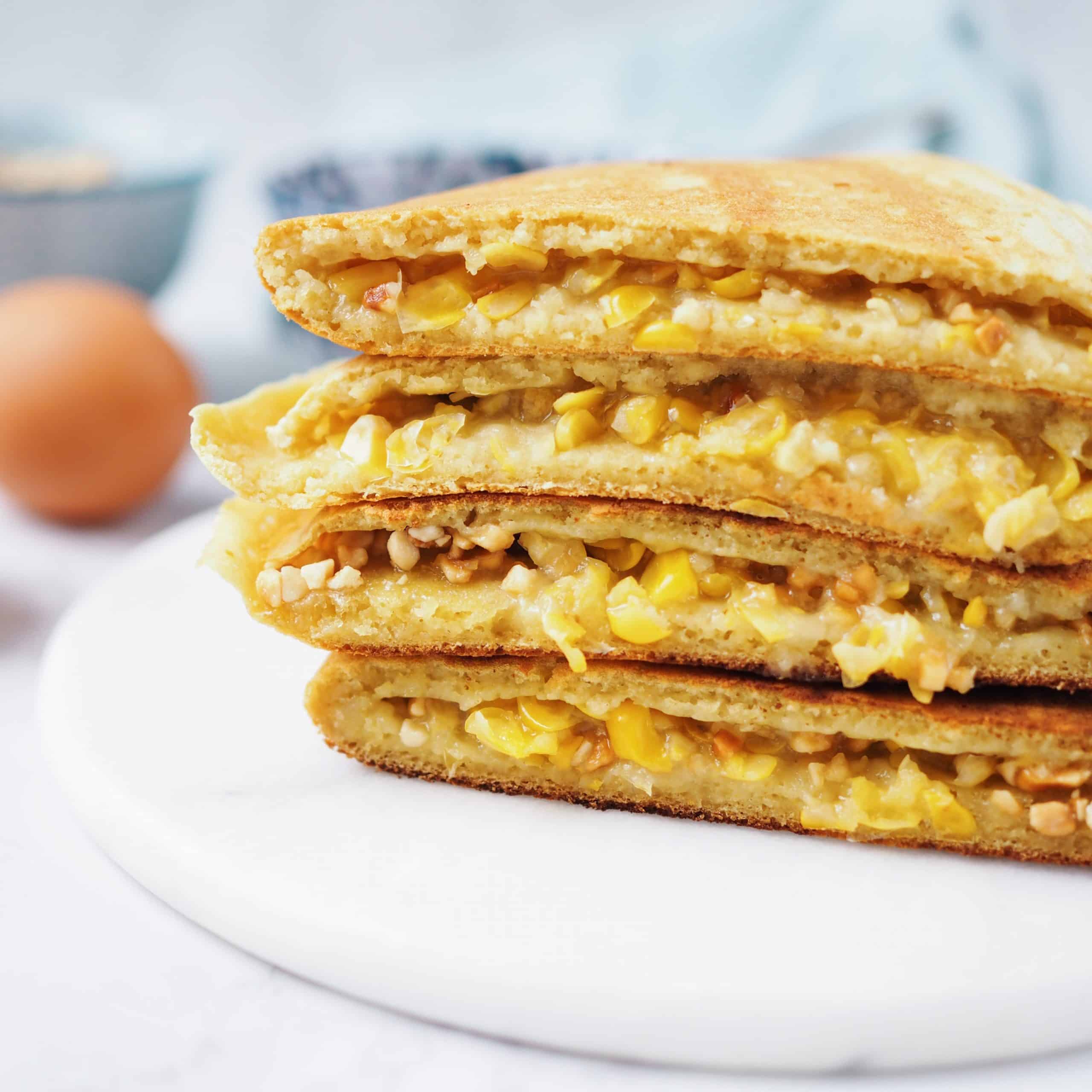
Apam Balik
Peanut Pancake Turnover
Night market snack, afternoon treat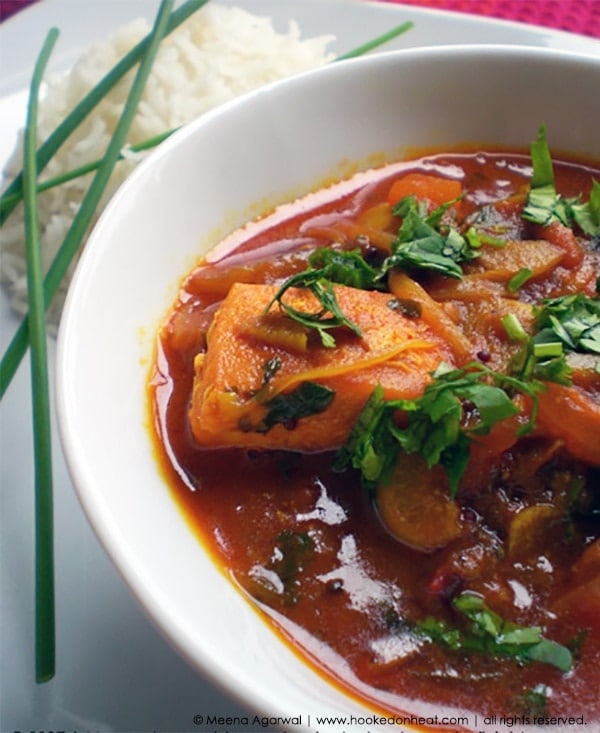 Medium
📜 Story
Medium
📜 Story
Asam Pedas
Sour and Spicy Fish Stew
Lunch, especially along the coastal states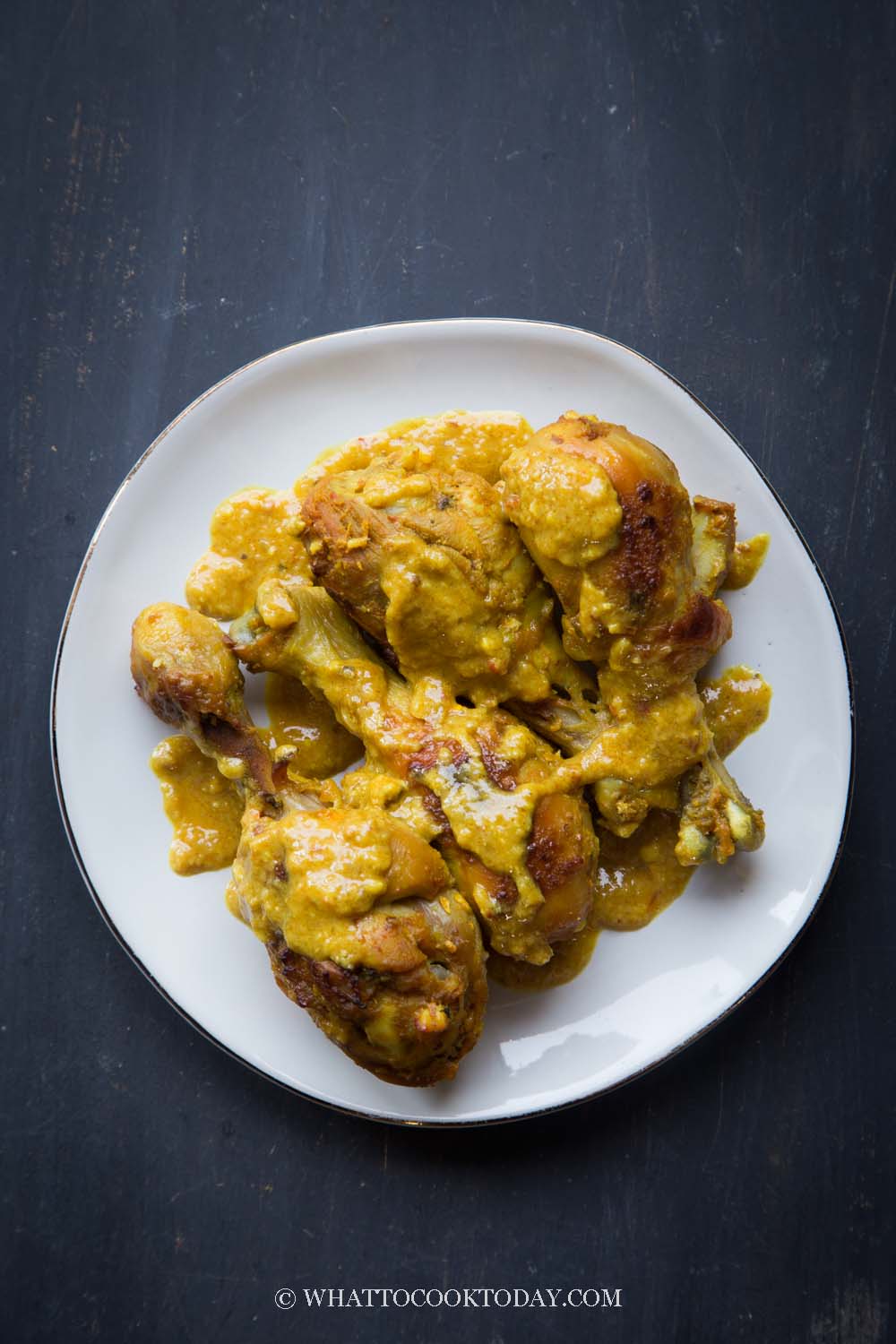 Medium
📜 Story
Medium
📜 Story
Ayam Percik
Flame-Grilled Spiced Chicken
Ramadan bazaars, night markets, festive occasions Medium
📜 Story
Medium
📜 Story
Banana Leaf Rice
South Indian Rice on Banana Leaf
Lunch, the main midday meal at Indian restaurants
Comments (0)
Log in to leave a comment.
No comments yet. Be the first to share your thoughts!