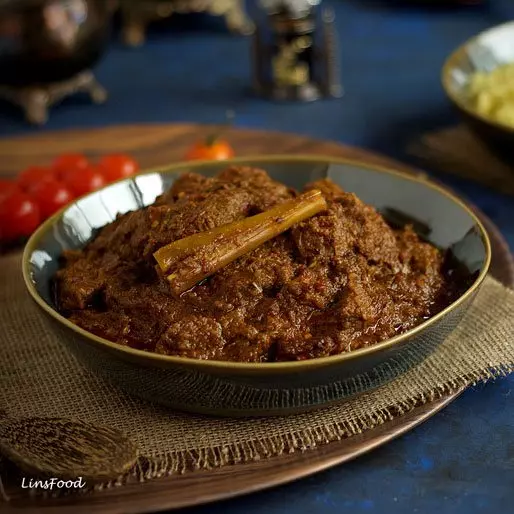
Chunks of beef braised for hours in coconut milk and a thunderous spice paste of galangal, lemongrass, and chilies until the sauce caramelizes into a dry, intensely flavored dark coat — Malaysia's crown jewel of slow cooking.
Nutrition & Info
Allergen Warnings
Equipment Needed
Presentation Guide
Vessel: brass or ceramic serving dish
Garnishes: toasted coconut flakes, kaffir lime leaves
Accompaniments: steamed rice, ketupat, cucumber slices
Instructions
-
1
Blend soaked chilies, shallots, garlic, galangal, and ginger into a smooth paste.
-
2
Combine spice paste and coconut milk in a heavy pot, bring to a gentle boil, stirring constantly.
-
3
Add beef cubes, lemongrass, kaffir lime leaves, turmeric leaf, and tamarind paste.
-
4
Simmer uncovered on low heat for 2-3 hours, stirring frequently as the liquid reduces.
-
5
When the sauce is nearly dry and the oil separates, stir in kerisik and continue cooking until the meat is coated in a dark, caramelized paste.
-
6
Season with salt and sugar. The rendang should be dry, intensely fragrant, and deeply brown.
Did You Know?
In 2017, rendang was voted the world's most delicious food by CNN readers for the second time, sparking joyous celebrations across Malaysia and Indonesia.
Chef's Notes
Equipment Tips
- heavy-bottomed pot
- mortar and pestle
- wooden spoon
Garnishing
toasted coconut flakes, kaffir lime leaves
Accompaniments
steamed rice, ketupat, cucumber slices
The Story Behind Rendang Daging
Rendang traces its roots to the Minangkabau people of Sumatra, who carried the recipe across the Strait of Malacca. In Malaysia, rendang evolved into a cornerstone of Malay festive cuisine, served at every Hari Raya celebration. The slow dry-braising technique was originally a preservation method — properly made rendang can last weeks without refrigeration. Today it symbolizes patience, cultural pride, and the art of transforming tough cuts into extraordinary tenderness.
More Malaysian Dishes
 Easy
📜 Story
Easy
📜 Story
Apam Balik
Peanut Pancake Turnover
Night market snack, afternoon treat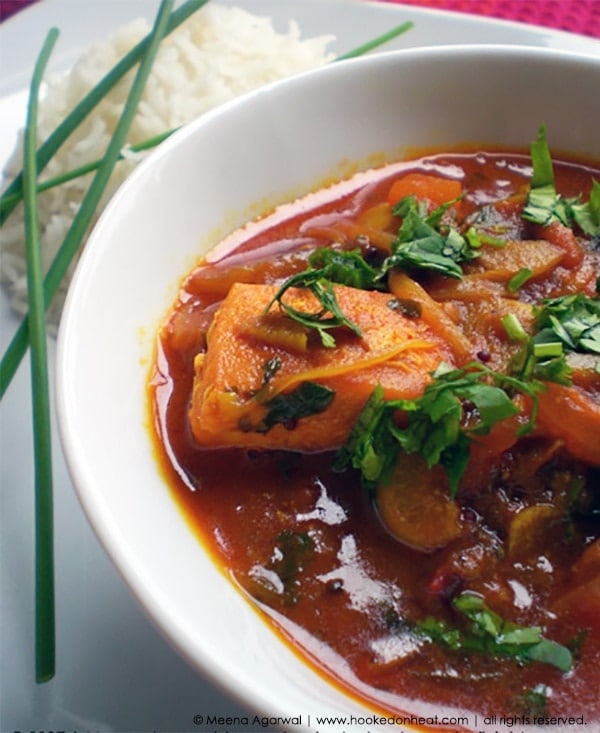 Medium
📜 Story
Medium
📜 Story
Asam Pedas
Sour and Spicy Fish Stew
Lunch, especially along the coastal states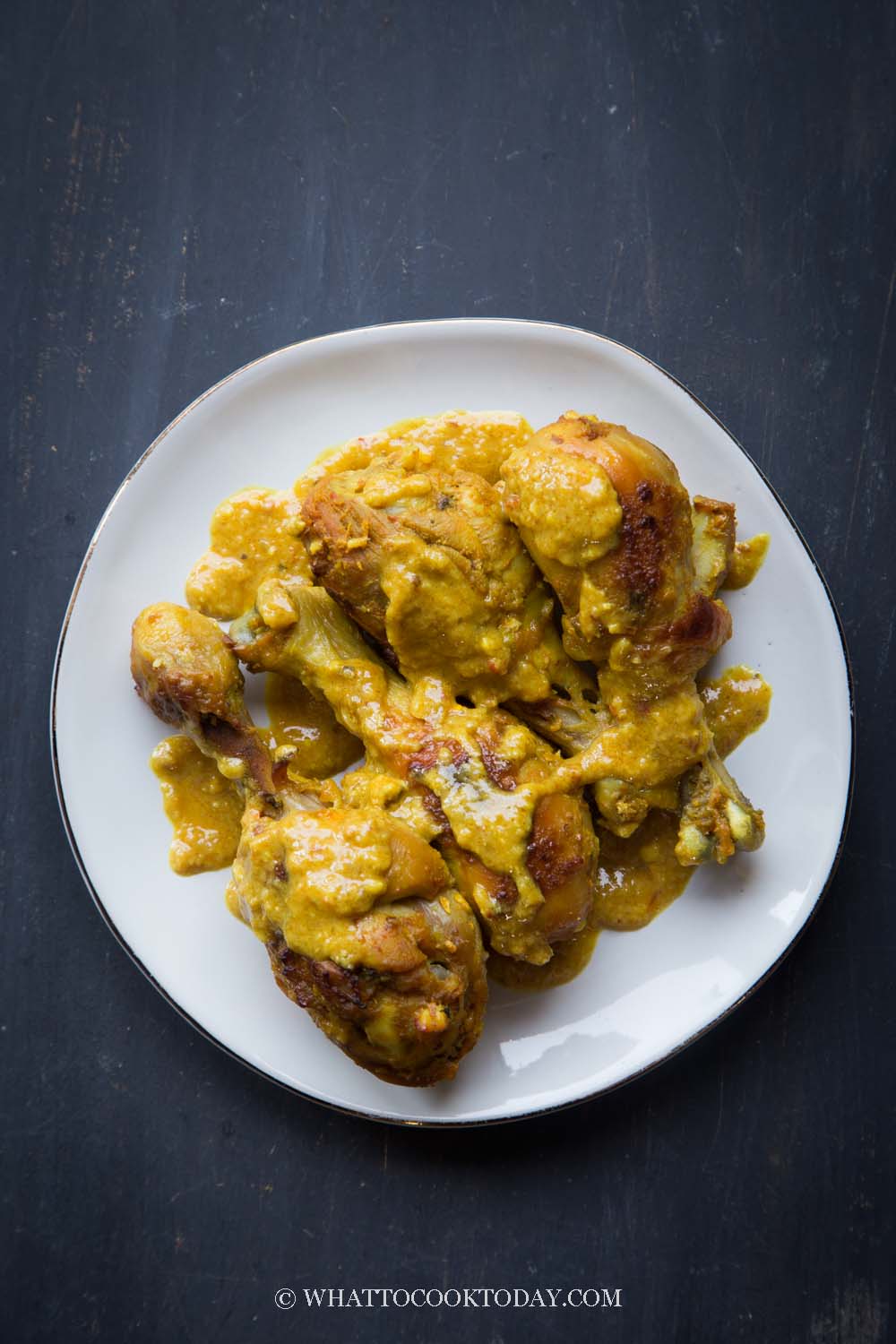 Medium
📜 Story
Medium
📜 Story
Ayam Percik
Flame-Grilled Spiced Chicken
Ramadan bazaars, night markets, festive occasions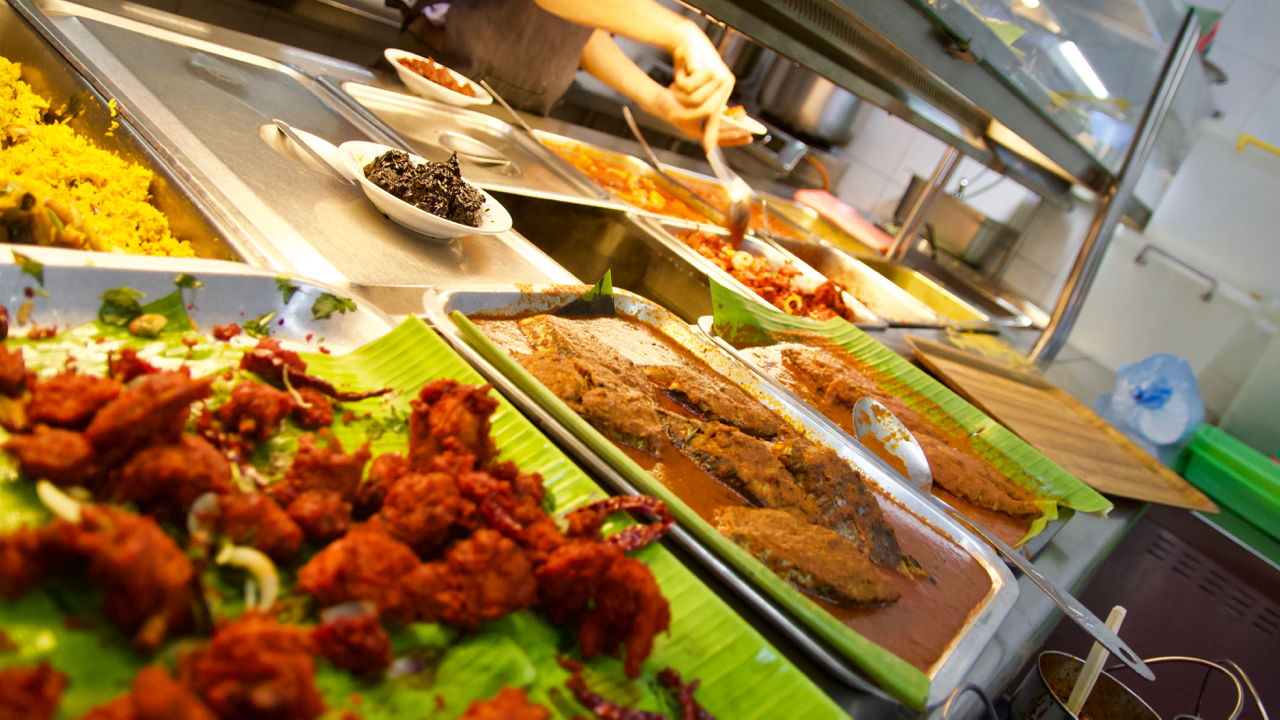 Medium
📜 Story
Medium
📜 Story
Banana Leaf Rice
South Indian Rice on Banana Leaf
Lunch, the main midday meal at Indian restaurants
Comments (0)
Log in to leave a comment.
No comments yet. Be the first to share your thoughts!