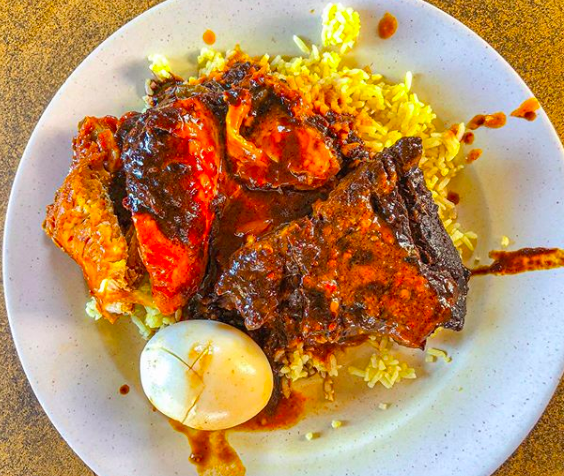
Steamed rice drenched in a mix of multiple curries — chicken, fish, squid, and vegetables — from the iconic Penang Indian-Muslim tradition, each spoonful a different swirl of flavor.
Nutrition & Info
Allergen Warnings
Equipment Needed
Presentation Guide
Vessel: steel plate or banana leaf
Garnishes: pickled onions, fresh chilies
Accompaniments: papadum, fried chicken, fish curry
Instructions
-
1
Blend shallots, garlic, and ginger into a paste. Fry with whole spices and curry leaves until fragrant.
-
2
Add curry powder and cook for 2 minutes. Pour in coconut milk and tamarind juice.
-
3
Add chicken thighs and simmer for 30 minutes until cooked through. Set aside.
-
4
In another pot, prepare a squid curry with similar base spices, adding sliced squid and okra.
-
5
Mound rice on plate. The key is banjir (flooding) — ladle multiple curries over the rice so they mingle.
-
6
Arrange chicken, squid, okra, and halved boiled egg on top. Serve with pickled vegetables.
Did You Know?
The word "kandar" comes from the shoulder pole (kandar) that Tamil-Muslim vendors used to carry rice and curries in baskets balanced on each end, walking the streets of Georgetown.
Chef's Notes
Equipment Tips
- multiple saucepans
- large pot
- ladle
Garnishing
pickled onions, fresh chilies
Accompaniments
papadum, fried chicken, fish curry
The Story Behind Nasi Kandar
Nasi kandar originated with Indian-Muslim (Mamak) traders in Penang's Georgetown during the 19th century. These vendors carried their food on shoulder poles through the streets, selling to dock workers and merchants. The tradition of mixing multiple curries over one plate of rice — called banjir (flooding) — creates unique flavor combinations with every bite. Today, legendary nasi kandar restaurants like Line Clear and Hameediyah draw midnight crowds stretching down the street.
More Malaysian Dishes
 Easy
📜 Story
Easy
📜 Story
Apam Balik
Peanut Pancake Turnover
Night market snack, afternoon treat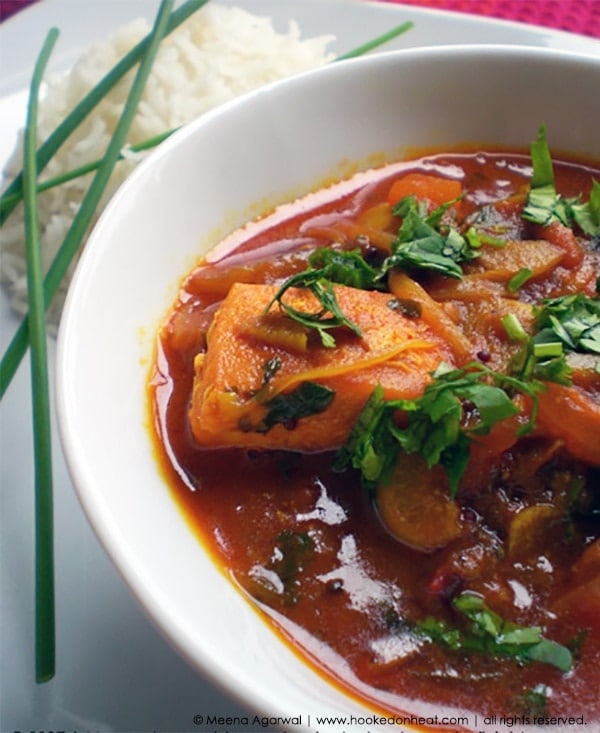 Medium
📜 Story
Medium
📜 Story
Asam Pedas
Sour and Spicy Fish Stew
Lunch, especially along the coastal states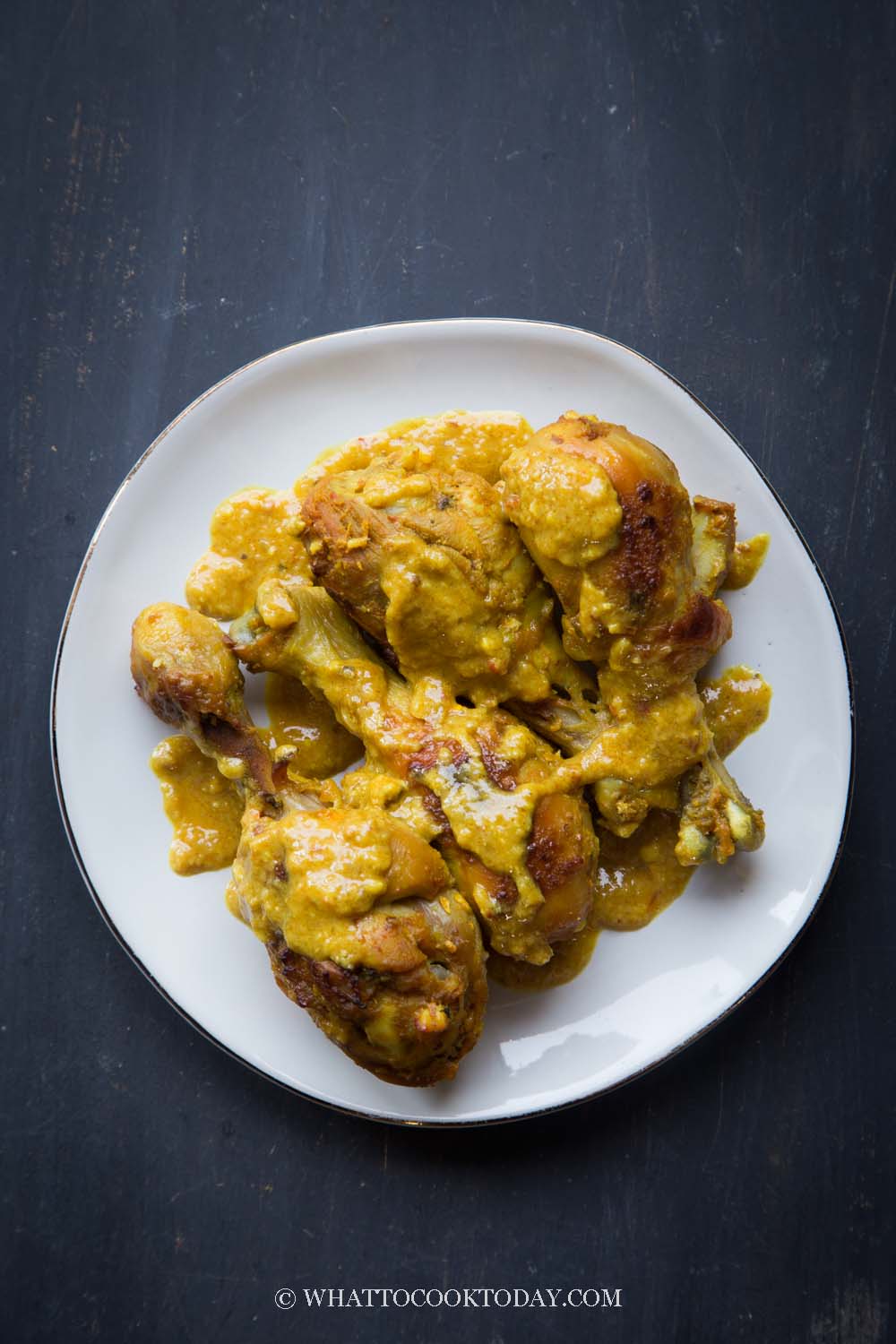 Medium
📜 Story
Medium
📜 Story
Ayam Percik
Flame-Grilled Spiced Chicken
Ramadan bazaars, night markets, festive occasions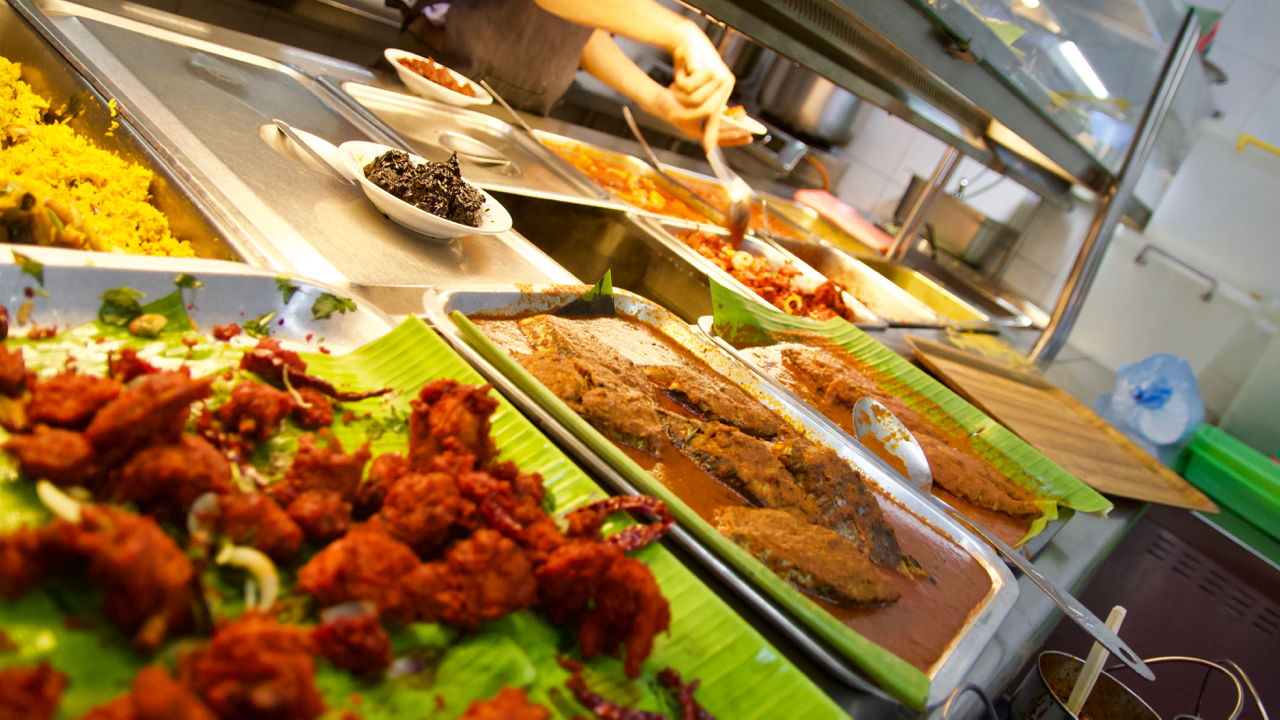 Medium
📜 Story
Medium
📜 Story
Banana Leaf Rice
South Indian Rice on Banana Leaf
Lunch, the main midday meal at Indian restaurants
Comments (0)
Log in to leave a comment.
No comments yet. Be the first to share your thoughts!