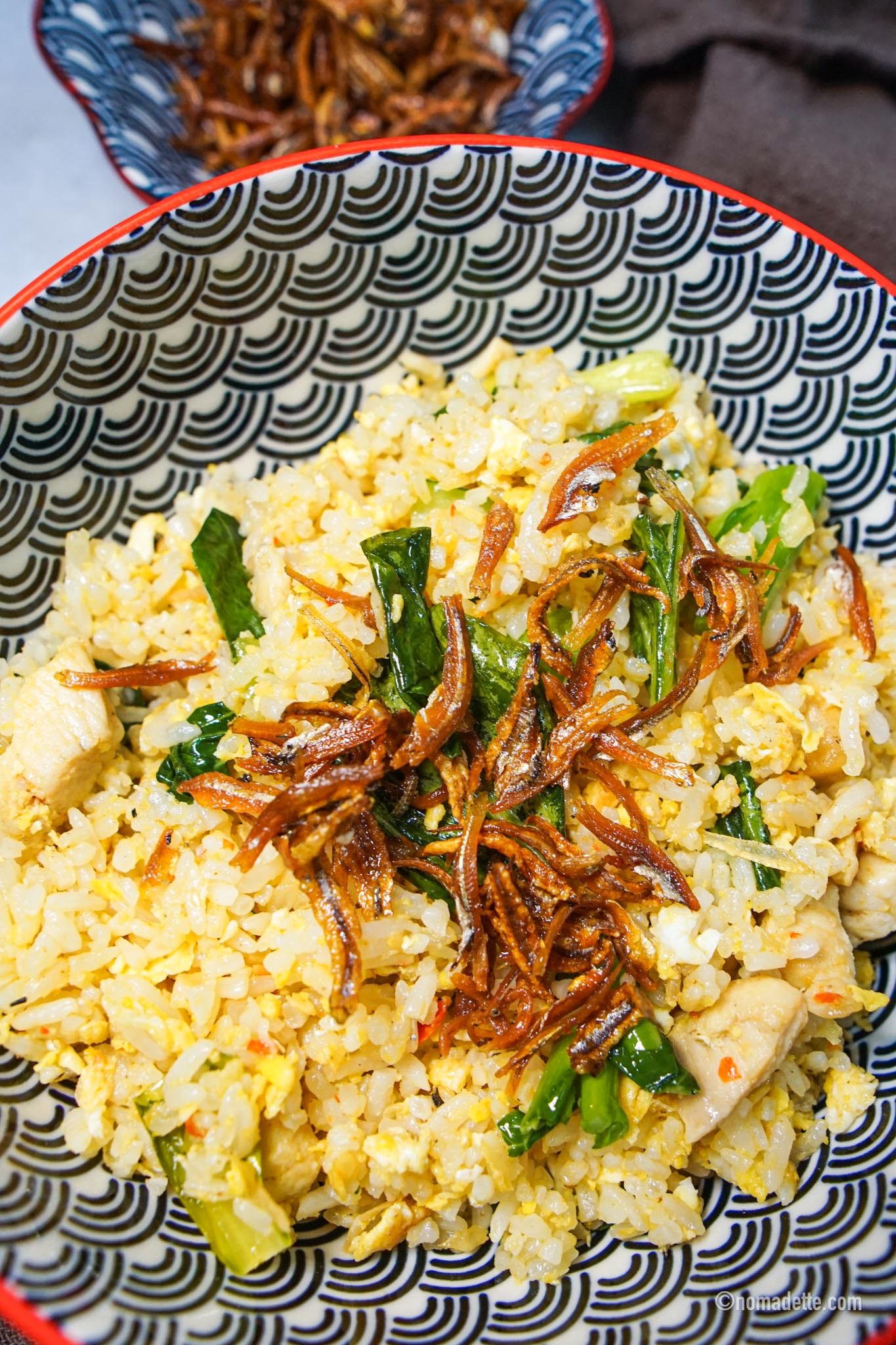
Nasi Goreng Kampung
Nasi Goreng Kampung (NAH-see go-RENG kam-POONG)
Village-Style Fried Rice
Wok-fried rice tossed with anchovies, belacan, kangkung (water spinach), and a fiery sambal — humble village flavors elevated to national obsession, smoky from searing wok heat.
Nutrition & Info
Allergen Warnings
Equipment Needed
Presentation Guide
Vessel: flat plate
Garnishes: fried egg, crispy anchovies, cucumber
Accompaniments: sambal, keropok, pickled chilies
Instructions
-
1
Heat oil in a wok over high heat until smoking. Fry garlic and shallots for 20 seconds.
-
2
Add sambal belacan and stir-fry for 30 seconds until fragrant.
-
3
Push paste aside, crack eggs into the wok, scramble quickly.
-
4
Add day-old rice and toss vigorously, breaking up clumps. Stir-fry for 3 minutes over high heat.
-
5
Add kangkung and half the crispy anchovies, toss for 1 minute until kangkung wilts.
-
6
Season with sweet soy sauce and fish sauce. Plate and top with remaining crispy anchovies, a fried egg, and cucumber.
Did You Know?
The secret to great nasi goreng kampung is "wok hei" — the smoky breath of the wok achieved only at extreme heat, which street vendors reach using jet-burner stoves.
Chef's Notes
Equipment Tips
- wok
- spatula
Garnishing
fried egg, crispy anchovies, cucumber
Accompaniments
sambal, keropok, pickled chilies
The Story Behind Nasi Goreng Kampung
Nasi goreng kampung ("village fried rice") embodies the resourcefulness of rural Malay cooking, transforming leftover rice and simple pantry ingredients into a deeply flavored meal. The combination of ikan bilis (dried anchovies) and belacan (fermented shrimp paste) creates an umami backbone unique to Malay cuisine. Every Malaysian home, from kampung to high-rise apartment, has its own version of this dish.
More Malaysian Dishes
 Easy
📜 Story
Easy
📜 Story
Apam Balik
Peanut Pancake Turnover
Night market snack, afternoon treat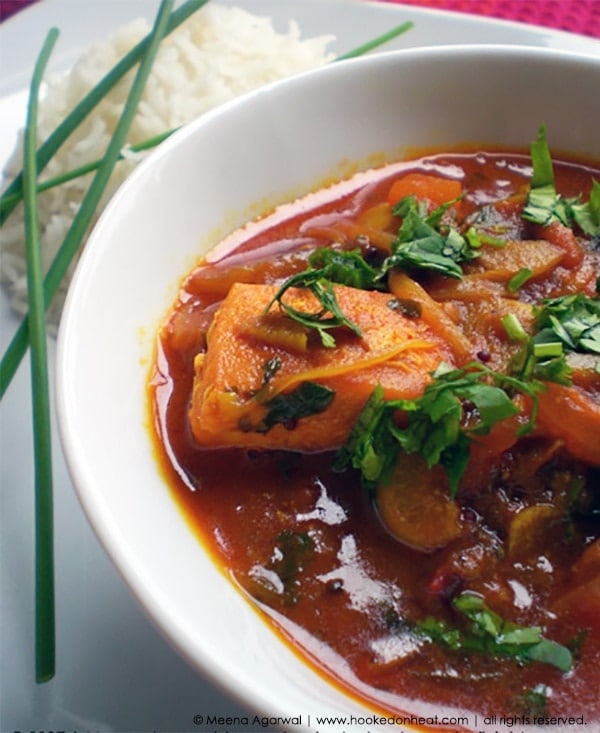 Medium
📜 Story
Medium
📜 Story
Asam Pedas
Sour and Spicy Fish Stew
Lunch, especially along the coastal states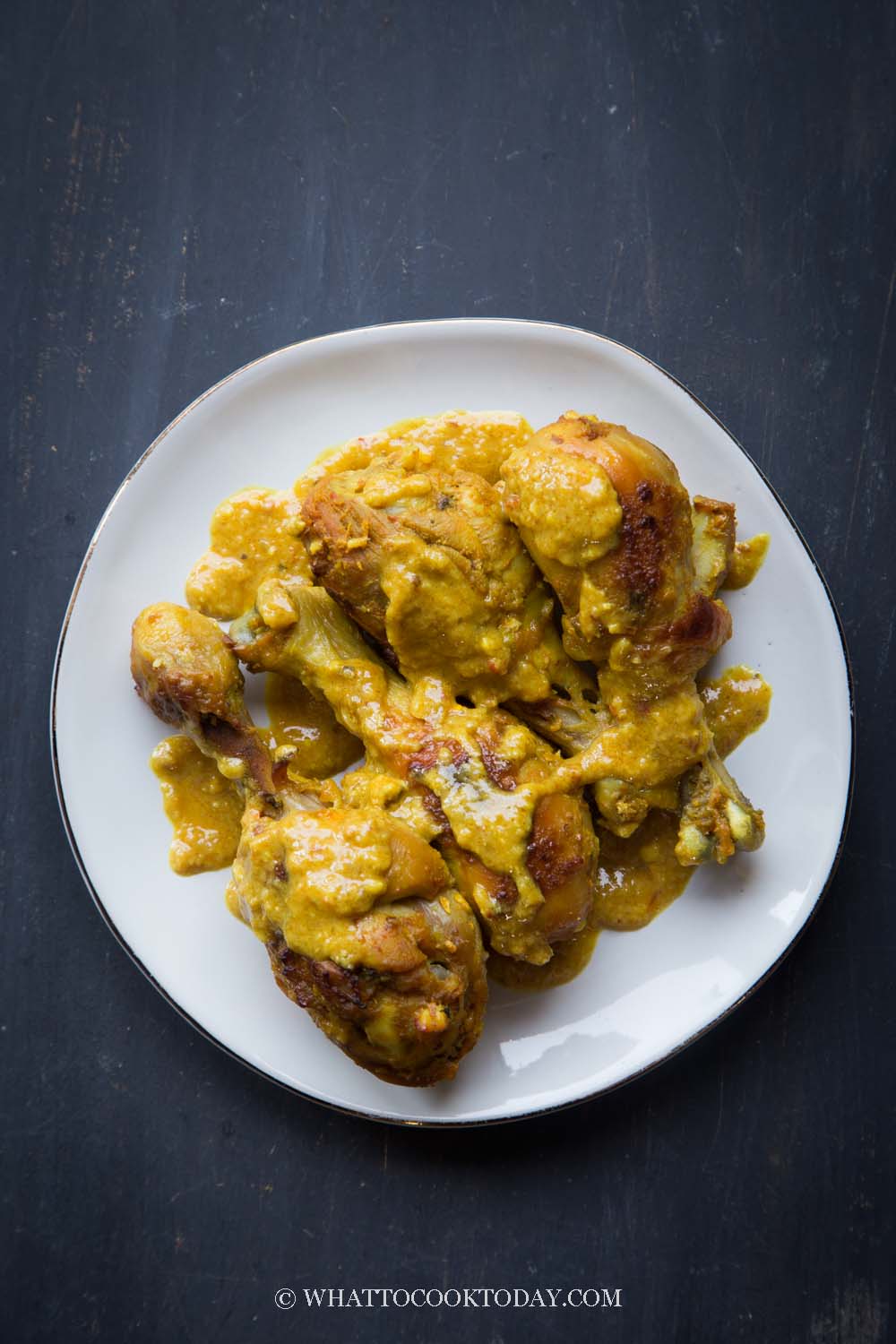 Medium
📜 Story
Medium
📜 Story
Ayam Percik
Flame-Grilled Spiced Chicken
Ramadan bazaars, night markets, festive occasions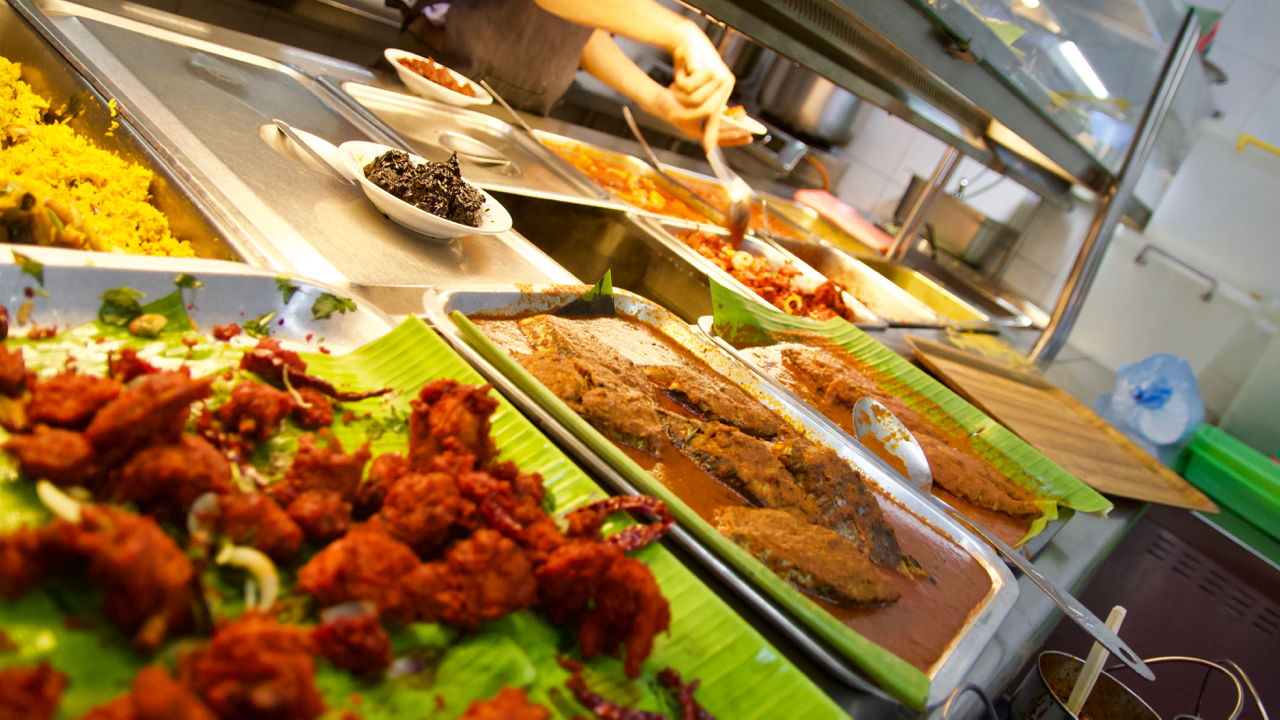 Medium
📜 Story
Medium
📜 Story
Banana Leaf Rice
South Indian Rice on Banana Leaf
Lunch, the main midday meal at Indian restaurants
Comments (0)
Log in to leave a comment.
No comments yet. Be the first to share your thoughts!