
A rich, spicy coconut curry noodle soup packed with shrimp, tofu puffs, and bean sprouts in a deeply fragrant broth. Malaysia's most iconic bowl of comfort.
Nutrition & Info
Allergen Warnings
Equipment Needed
Presentation Guide
Vessel: large deep bowl
Garnishes: bean sprouts, laksa leaf (Vietnamese mint), chili oil drizzle
Accompaniments: sambal belacan
Instructions
-
1
Heat the vegetable oil in a large pot over medium heat. Add the laksa paste and fry for three to four minutes, stirring constantly, until the paste is deeply fragrant and the oil begins to separate from the spices.
-
2
Pour in the coconut milk and chicken stock, stirring well to combine with the paste. Add the fish sauce and sugar, then bring the broth to a gentle simmer, reducing the heat to medium-low.
-
3
Let the broth simmer for seven to eight minutes to allow the flavours to develop and meld together. Taste and adjust seasoning with additional fish sauce or salt if needed. Keep the broth at a gentle simmer.
-
4
Add the shrimp to the simmering broth and cook for two to three minutes until they curl and turn pink. Add the tofu puffs and warm them through for one minute. Avoid overcooking the shrimp.
-
5
Meanwhile, cook the rice noodles according to the packet instructions in a separate pot of boiling water. Drain well and divide the noodles among four deep serving bowls, twisting them into loose nests.
-
6
Ladle the hot coconut broth generously over the noodles, then arrange the cooked shrimp, tofu puffs, and hard-boiled egg halves on top of each bowl, distributing the proteins evenly among the servings.
-
7
Top each bowl with a handful of fresh bean sprouts, torn laksa leaves, and a squeeze of lime juice. Add a dollop of sambal on the side for those who prefer extra heat. Serve immediately while steaming hot.
Did You Know?
There are over 20 varieties of laksa across Malaysia and Singapore, each fiercely defended by its local fans.
Chef's Notes
Equipment Tips
- large pot
- blender or food processor
- wok
Garnishing
bean sprouts, laksa leaf (Vietnamese mint), chili oil drizzle
Accompaniments
sambal belacan
The Story Behind Laksa
### The Story
Laksa is a spicy noodle soup that represents the soul of Peranakan (Nyonya) cuisine, the fusion cooking tradition born from the marriage of Chinese and Malay cultures. The dish exists in two major forms: curry laksa (laksa lemak), a rich coconut curry broth with rice noodles, and asam laksa, a sour, fish-based soup from Penang. Curry laksa likely emerged in the Straits Settlements of Malacca and Penang during the 15th-16th centuries, when Chinese traders married local Malay women and their descendants created a cooking style that combined Chinese noodle soup traditions with Malay spice pastes and coconut milk. The word laksa may derive from the Sanskrit lakshas (meaning "many"), referring to the dish's numerous ingredients.
### On the Calendar
Laksa is an everyday dish with no specific ceremonial role. It is consumed year-round at hawker stalls, kopitiams, and restaurants. Penang asam laksa is particularly associated with the island's food identity.
### Then & Now
Curry laksa features a broth of coconut milk simmered with a rempah (spice paste) of chilies, lemongrass, galangal, turmeric, and belacan, served over rice noodles with tofu puffs, prawns, cockles, and a garnish of laksa leaves (Vietnamese coriander). Asam laksa from Penang uses a tamarind and mackerel-based broth with shredded fish, torch ginger flower, and mint -- it was ranked among the world's best foods by CNN. Each version represents a different facet of Malaysia's multicultural culinary genius.
### Legacy
Laksa is the quintessential Peranakan creation, a bowl of soup that contains within its spiced depths the entire history of Malaysia's cultural fusion.
More Malaysian Dishes
 Easy
📜 Story
Easy
📜 Story
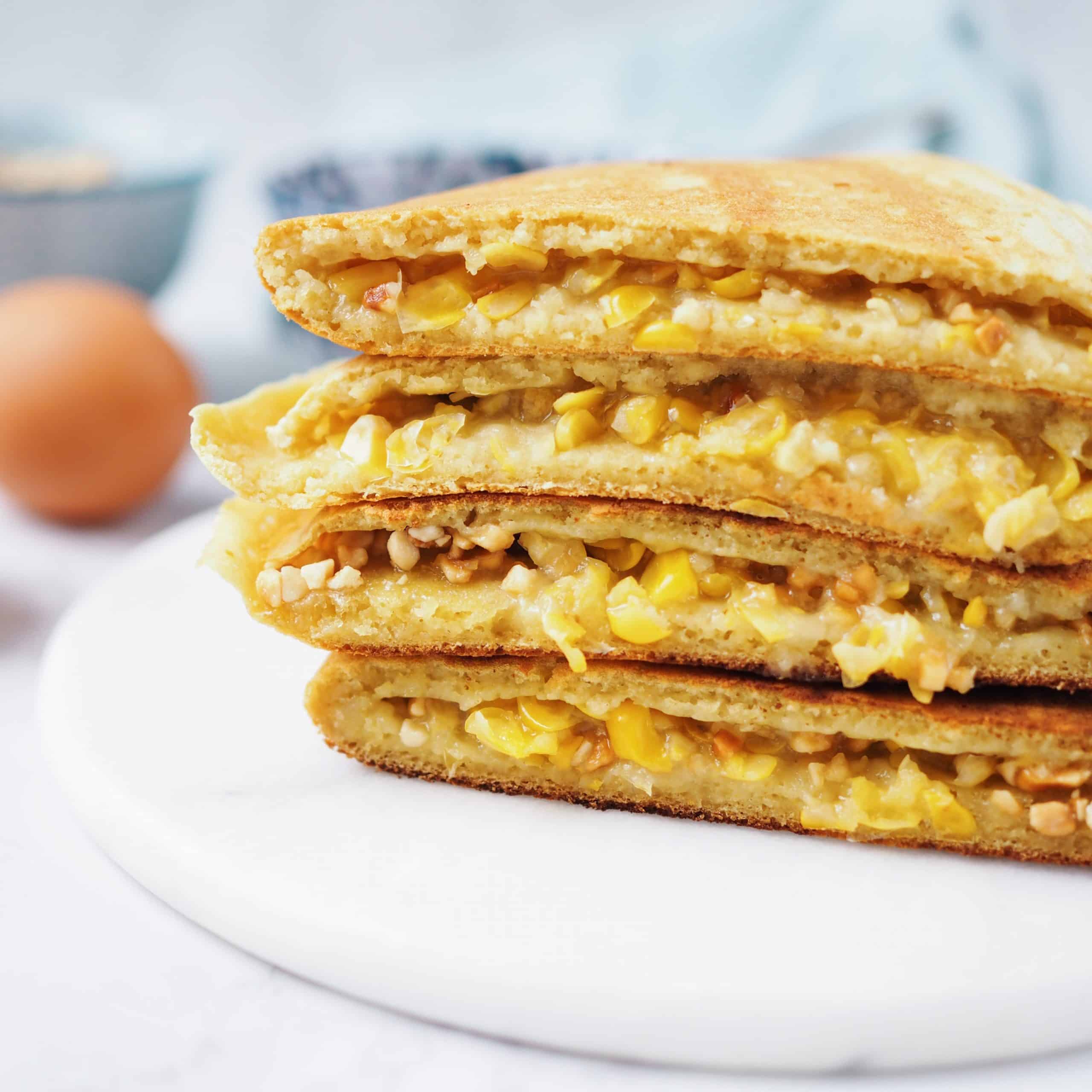
Apam Balik
Peanut Pancake Turnover
Night market snack, afternoon treat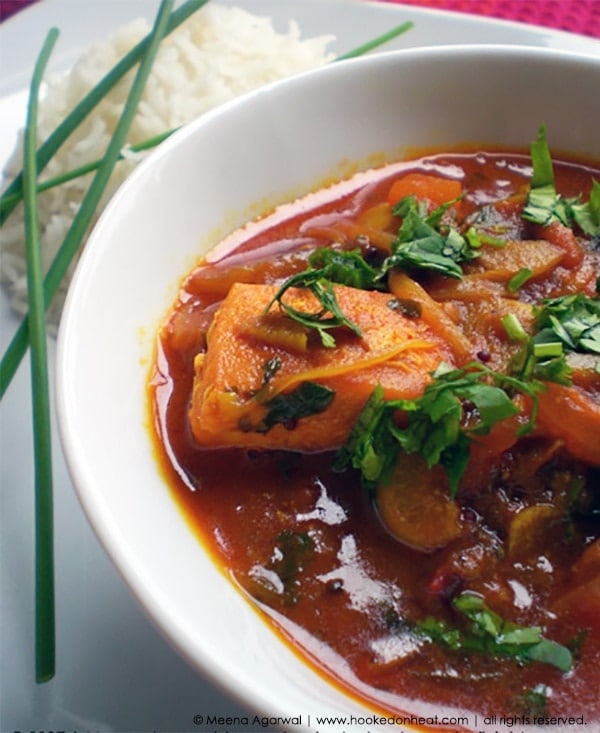 Medium
📜 Story
Medium
📜 Story
Asam Pedas
Sour and Spicy Fish Stew
Lunch, especially along the coastal states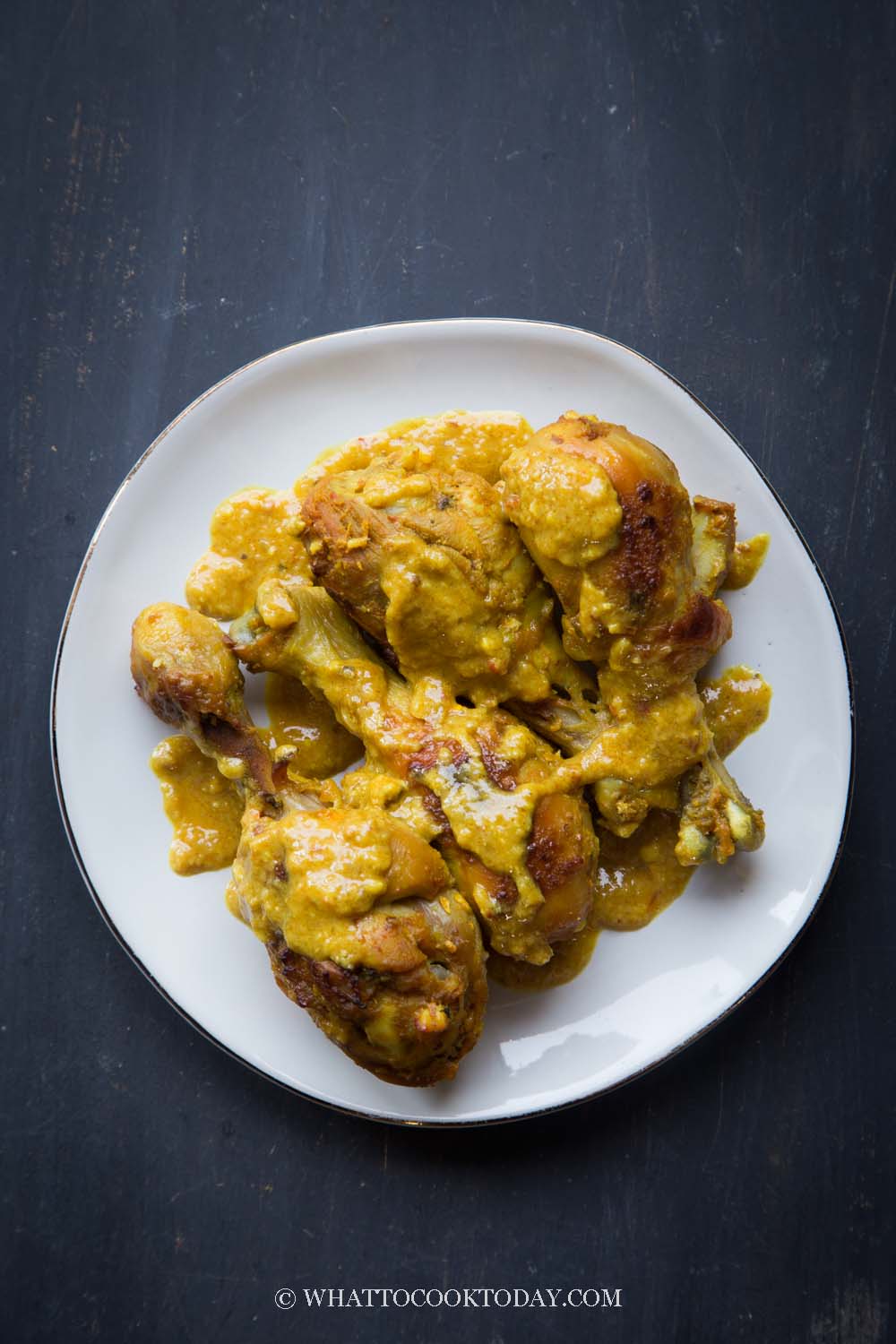 Medium
📜 Story
Medium
📜 Story
Ayam Percik
Flame-Grilled Spiced Chicken
Ramadan bazaars, night markets, festive occasions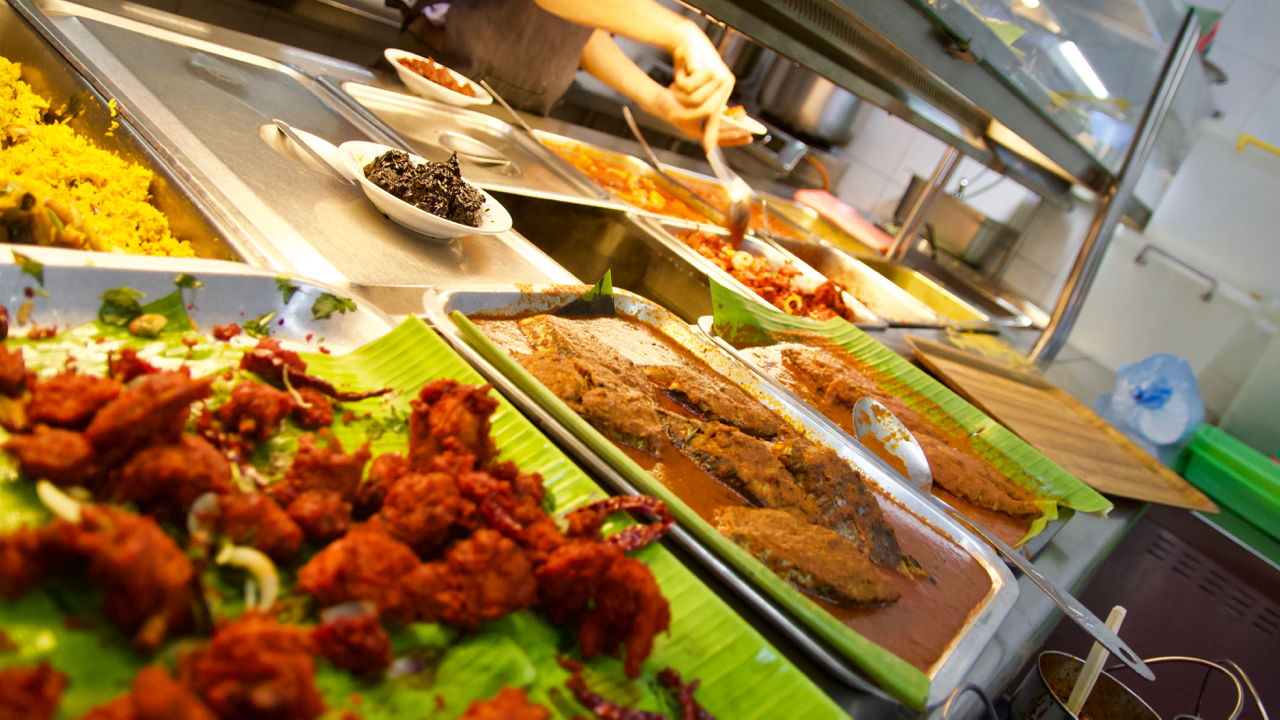 Medium
📜 Story
Medium
📜 Story
Banana Leaf Rice
South Indian Rice on Banana Leaf
Lunch, the main midday meal at Indian restaurants
Comments (0)
Log in to leave a comment.
No comments yet. Be the first to share your thoughts!