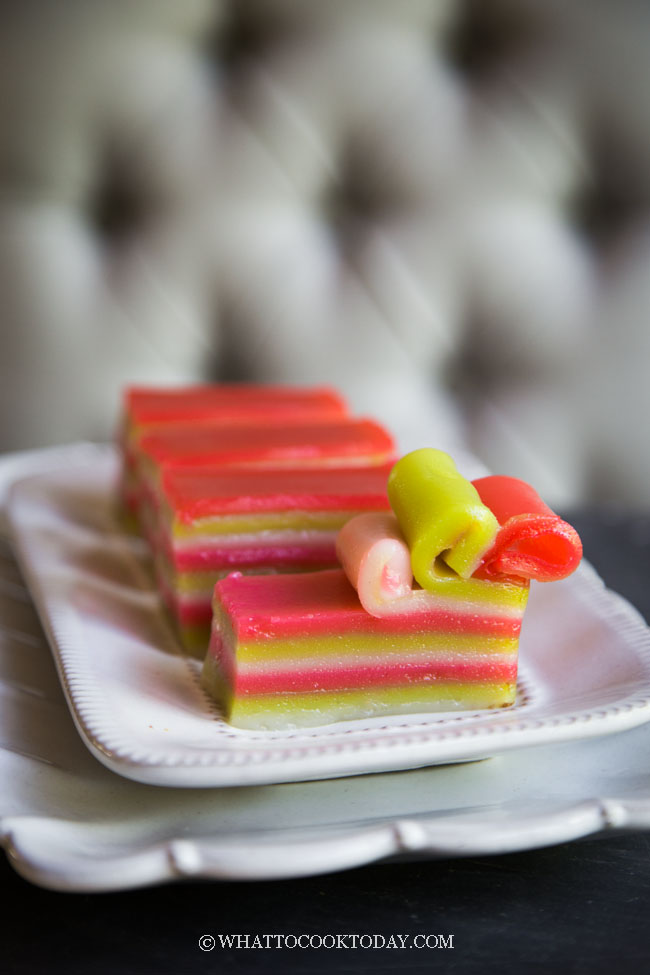
A mesmerizing rainbow of nine steamed layers, each tinted a different color, made from rice flour, coconut milk, sugar, and pandan — soft, bouncy, and peeled apart layer by satisfying layer.
Nutrition & Info
Allergen Warnings
Equipment Needed
Presentation Guide
Vessel: porcelain plate
Garnishes: banana leaf base
Accompaniments: afternoon tea, other kuih assortment
Instructions
-
1
Mix rice flour, tapioca flour, sugar, salt, coconut milk, and water into a smooth batter.
-
2
Divide the batter into 9 equal portions. Tint each a different color (one portion with pandan extract for green).
-
3
Grease the baking tray. Pour the first layer of batter, about 3mm thick.
-
4
Steam over high heat for 5 minutes until the layer is set. Pour the next colored layer on top.
-
5
Repeat steaming each layer for 5 minutes until all 9 layers are done.
-
6
Allow to cool completely before unmolding. Cut into diamond shapes with an oiled knife.
Did You Know?
The nine layers of kuih lapis traditionally represent the nine levels of Malay royalty — each color a symbol of a different virtue or blessing.
Chef's Notes
Equipment Tips
- steamer
- square baking tray
- measuring cups
- ladle
Garnishing
banana leaf base
Accompaniments
afternoon tea, other kuih assortment
The Story Behind Kuih Lapis
Kuih lapis reflects the layered cultural heritage of the Malay Archipelago, blending Malay, Peranakan, and Dutch-Indonesian influences. The painstaking process of steaming one layer at a time demands patience and precision. During Hari Raya and Chinese New Year alike, kuih lapis appears on every festive table, symbolizing unity in diversity — many layers, one dessert. The Peranakan (Straits Chinese) community elevated kuih-making to a fine art.
More Malaysian Dishes
 Easy
📜 Story
Easy
📜 Story
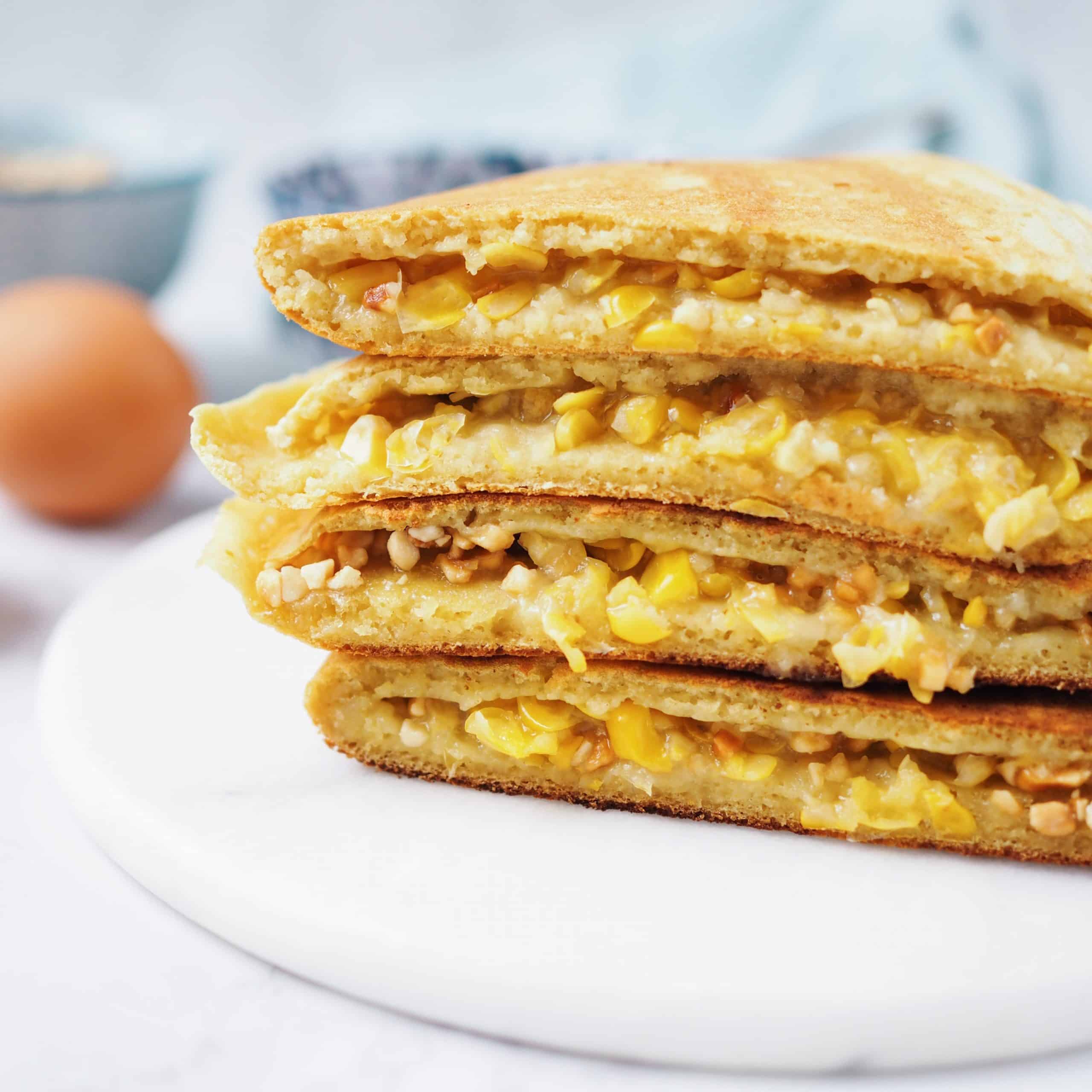
Apam Balik
Peanut Pancake Turnover
Night market snack, afternoon treat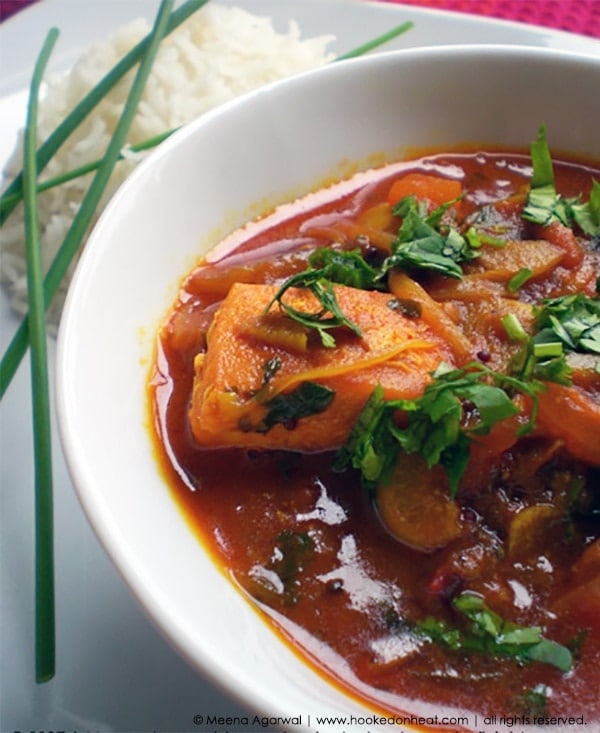 Medium
📜 Story
Medium
📜 Story
Asam Pedas
Sour and Spicy Fish Stew
Lunch, especially along the coastal states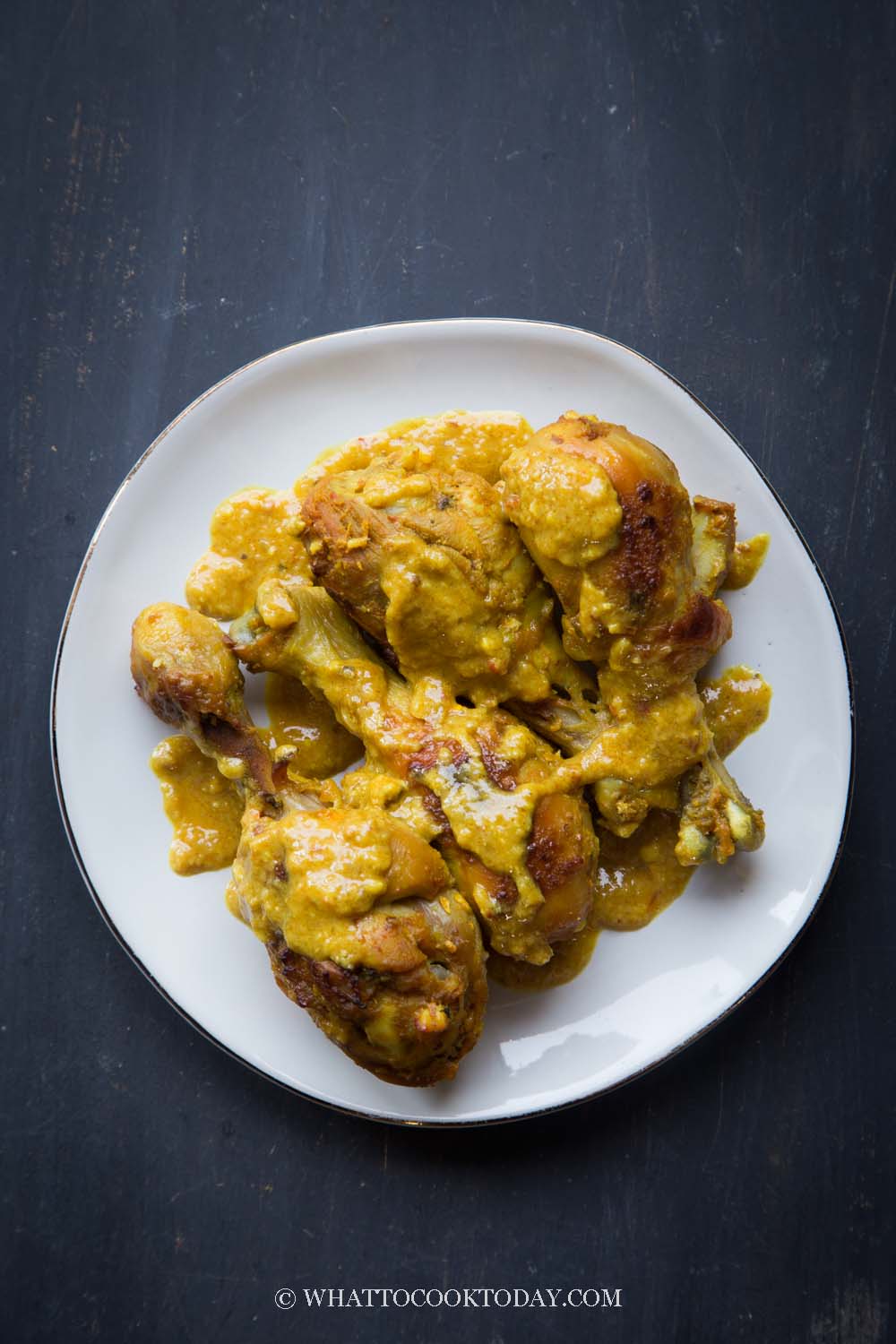 Medium
📜 Story
Medium
📜 Story
Ayam Percik
Flame-Grilled Spiced Chicken
Ramadan bazaars, night markets, festive occasions Medium
📜 Story
Medium
📜 Story
Banana Leaf Rice
South Indian Rice on Banana Leaf
Lunch, the main midday meal at Indian restaurants
Comments (0)
Log in to leave a comment.
No comments yet. Be the first to share your thoughts!