
Whole fish slathered in a fiery sambal paste, wrapped in banana leaves, and grilled over charcoal until smoky, tender, and infused with the leaf's sweet aroma — Malaysia's beachside king.
Nutrition & Info
Allergen Warnings
Equipment Needed
Presentation Guide
Vessel: banana leaf, unwrapped on plate
Garnishes: lime wedge, sliced onion, extra sambal
Accompaniments: steamed rice, ulam, air limau (lime juice)
Instructions
-
1
Score the fish on both sides and rub with salt and tamarind juice. Marinate for 15 minutes.
-
2
Spread sambal generously over both sides of the fish.
-
3
Lay banana leaf on grill. Place lemongrass, lime leaves, and tomato slices on the leaf, then the fish on top.
-
4
Add red onion slices on the fish. Fold banana leaf to enclose loosely.
-
5
Grill over medium charcoal for 15-20 minutes, flipping once, until the fish is cooked and the banana leaf is charred.
-
6
Unwrap and serve directly on the banana leaf with extra sambal and lime wedges.
Did You Know?
Stingray (ikan pari) is the most prized fish for ikan bakar in Malaysia — its flat shape and firm, slightly chewy flesh holds up perfectly to the charcoal grill and absorbs sambal beautifully.
Chef's Notes
Equipment Tips
- charcoal grill
- banana leaves
- wire grill rack
Garnishing
lime wedge, sliced onion, extra sambal
Accompaniments
steamed rice, ulam, air limau (lime juice)
The Story Behind Ikan Bakar
Ikan bakar is quintessential Malaysian coastal cuisine, found at every seaside town from Langkawi to Johor. The banana leaf wrapping is both a cooking vessel and serving plate, imparting a subtle sweetness while keeping the fish moist over fierce charcoal heat. The Portuguese settlement area in Melaka is particularly famous for its ikan bakar, a legacy of 16th-century colonial influence blended with Malay grilling techniques.
More Malaysian Dishes
 Easy
📜 Story
Easy
📜 Story
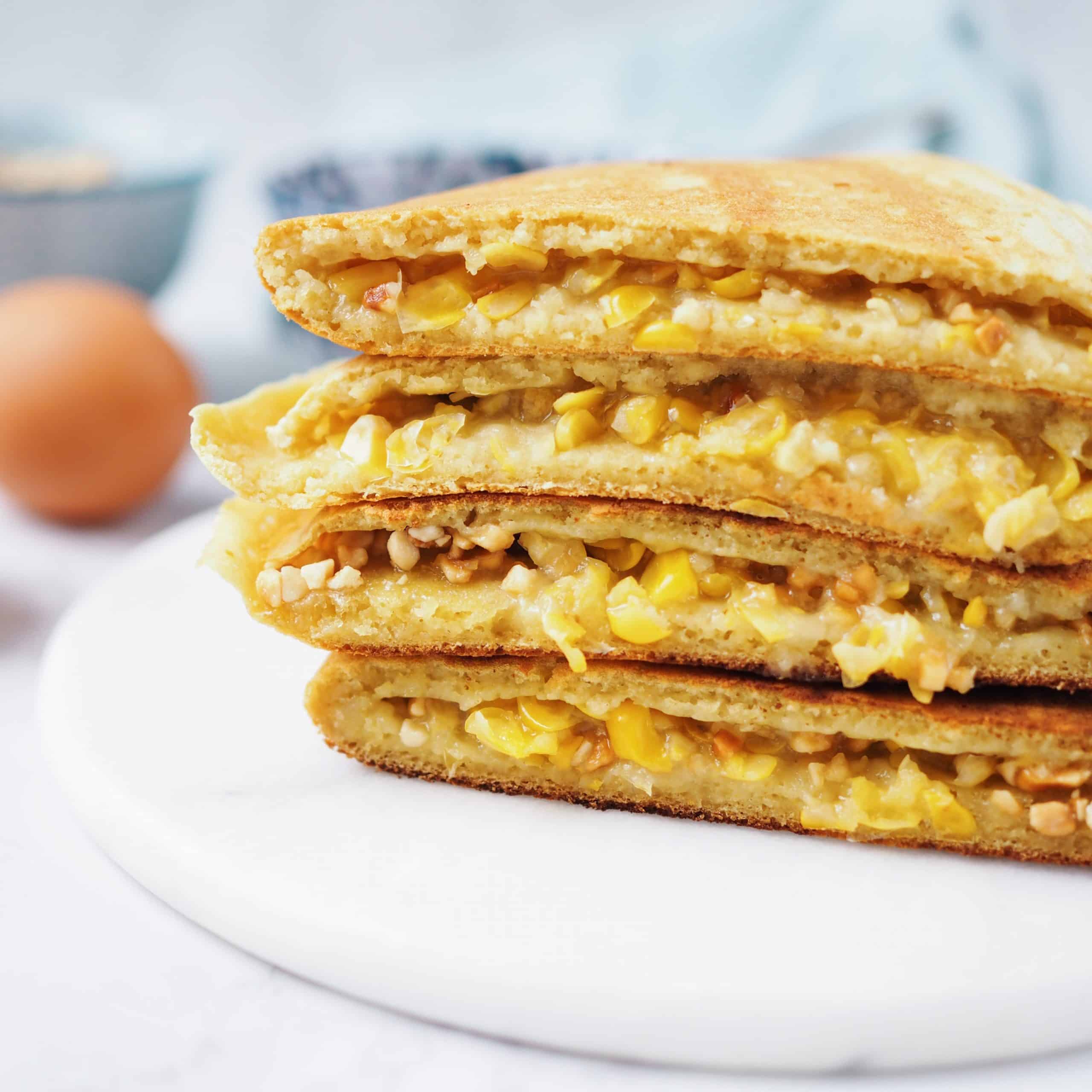
Apam Balik
Peanut Pancake Turnover
Night market snack, afternoon treat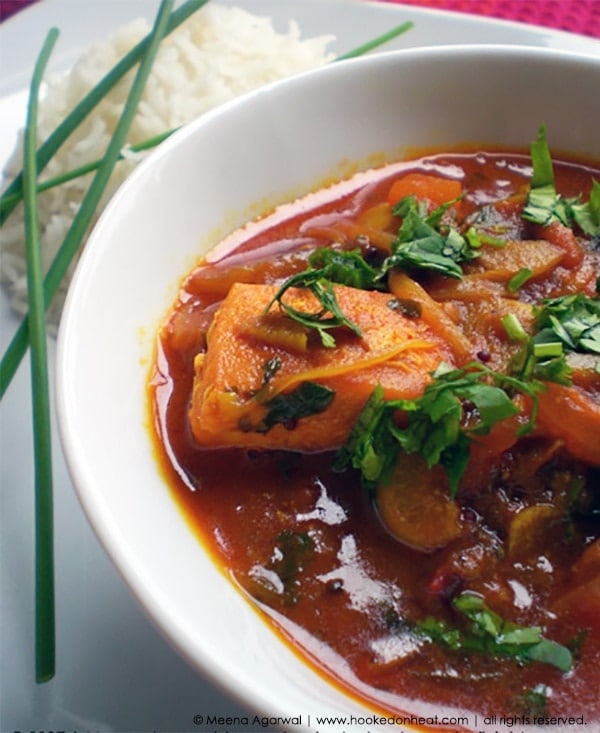 Medium
📜 Story
Medium
📜 Story
Asam Pedas
Sour and Spicy Fish Stew
Lunch, especially along the coastal states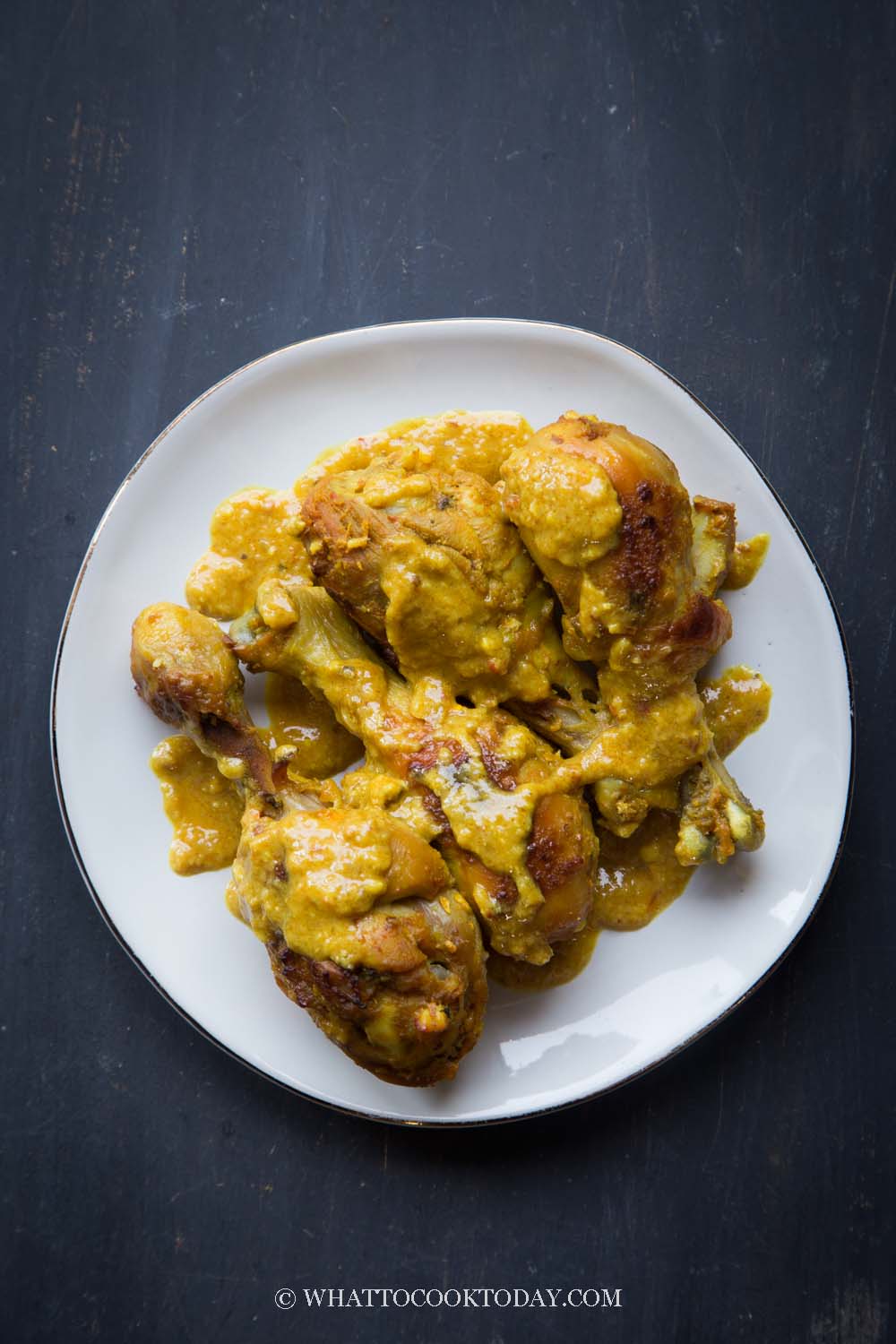 Medium
📜 Story
Medium
📜 Story
Ayam Percik
Flame-Grilled Spiced Chicken
Ramadan bazaars, night markets, festive occasions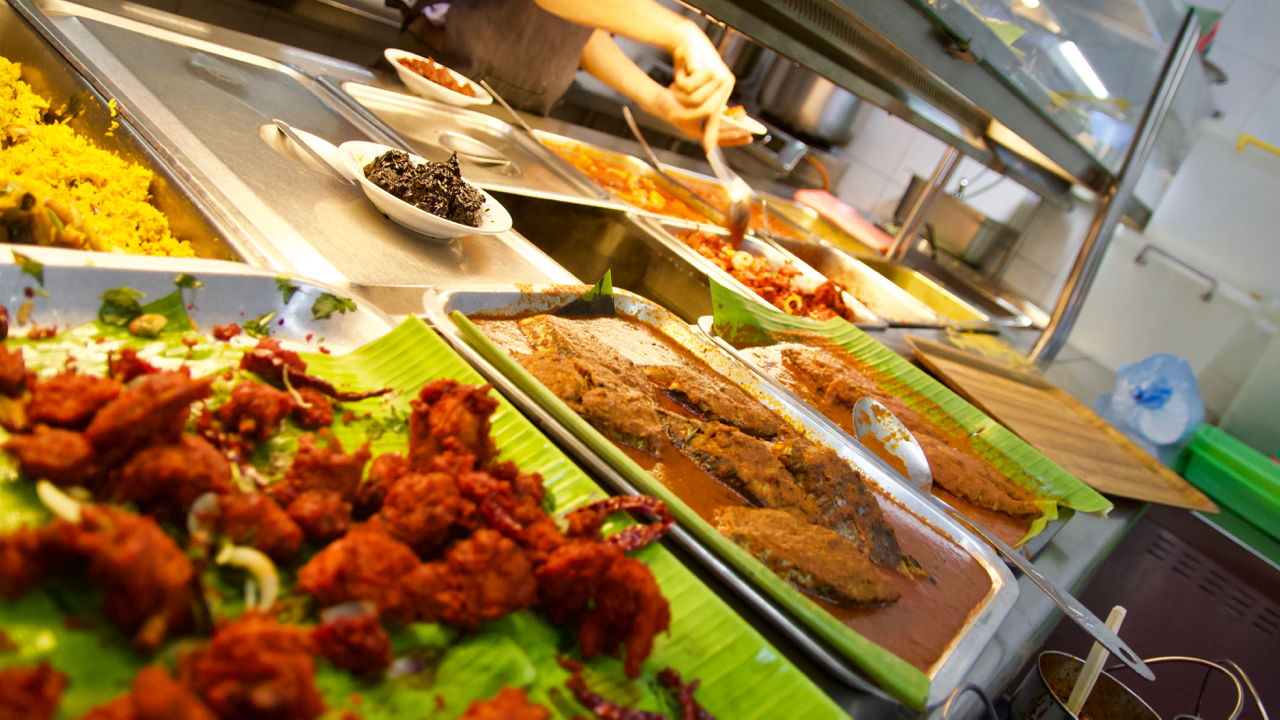 Medium
📜 Story
Medium
📜 Story
Banana Leaf Rice
South Indian Rice on Banana Leaf
Lunch, the main midday meal at Indian restaurants
Comments (0)
Log in to leave a comment.
No comments yet. Be the first to share your thoughts!