
Char Kway Teow
Char Kway Teow (CHAR KWAY TEE-ow)
Char Kway Teow (Seafood)
Smoky wok-fried flat rice noodles with shrimp, squid, bean sprouts, and Chinese chives, cooked over extreme heat for the prized 'wok hei' breath of the wok.
Nutrition & Info
Allergen Warnings
Equipment Needed
Presentation Guide
Instructions
-
1
Prepare all ingredients before you begin cooking, as the entire stir-fry process takes only a few minutes. Loosen the fresh rice noodles gently by hand if they are clumped together, being careful not to break them apart.
-
2
Heat a wok over the highest heat possible for at least two minutes until it begins to smoke lightly. This extreme heat is absolutely critical for achieving wok hei, the signature smoky breath of the wok.
-
3
Add the oil and swirl to coat the wok surface. Immediately add the minced garlic and sambal, tossing for five seconds until fragrant. Add the shrimp and squid rings, stir-frying for ninety seconds until just barely cooked.
-
4
Push the seafood to one side of the wok. Crack the eggs directly into the empty space, let them set for ten seconds, then scramble them roughly, breaking them into large curds rather than mixing them completely smooth.
-
5
Add the rice noodles to the wok and toss them vigorously, lifting and flipping with a spatula and wok combination. Pour the dark soy sauce, light soy sauce, oyster sauce, and fish sauce around the edges of the wok.
-
6
Continue tossing and flipping the noodles over the highest heat for sixty to ninety seconds, ensuring the sauces coat every strand evenly and some noodles pick up slightly charred edges from the intense heat of the wok.
-
7
Add the bean sprouts and garlic chives in the final thirty seconds of cooking, tossing them through just enough to warm them while retaining their fresh crunch. Do not overcook the vegetables at this stage.
-
8
Transfer immediately to serving plates and eat right away. The smoky wok hei flavour fades rapidly as the dish cools, so char kway teow is best enjoyed within minutes of leaving the wok.
Did You Know?
Uses seafood instead of the traditional pork lard. The elusive 'wok hei' (breath of the wok) requires temperatures above 400°C.
Chef's Notes
Equipment Tips
- large wok
- high-heat burner
- spatula
Garnishing
lime wedge, fresh chili slices
Accompaniments
The Story Behind Char Kway Teow
### The Story
Char kway teow is one of Malaysia's most iconic hawker dishes -- flat rice noodles stir-fried over intensely high heat with prawns, cockles, Chinese lap cheong sausage, bean sprouts, chives, eggs, and dark soy sauce, producing the prized wok hei (breath of the wok) smoky char. The dish originated among the Hokkien and Teochew Chinese communities of Penang in the 19th century, where it was an affordable, calorie-dense meal for laborers and rickshaw pullers. Cockles and prawns from Penang's coastal waters made seafood a natural protein, and the dish evolved in the charcoal-fired wok stations of Penang's hawker stalls into a high-art form of street cooking.
### On the Calendar
Char kway teow is an everyday dish with no seasonal or ceremonial associations. It is eaten at any time of day, from breakfast to late-night supper, and is a perennial fixture of Malaysian hawker culture.
### Then & Now
The key to great char kway teow is wok hei -- the smoky, slightly charred flavor achieved only through extreme heat and rapid technique. Master char kway teow hawkers develop their skill over decades, and the best stalls in Penang are considered national treasures. The dish traditionally uses rendered fat for frying, though many modern versions substitute vegetable oil. Penang and KL versions differ: Penang's tends to be darker and smokier, while KL's is often wetter with more sauce. The ongoing debate over which city makes the best char kway teow is a pillar of Malaysian food discourse.
### Legacy
Char kway teow is the dish that best represents Malaysian hawker culture -- a humble bowl of fried noodles elevated to greatness through skill, fire, and the magic of wok hei.
More Malaysian Dishes
 Easy
📜 Story
Easy
📜 Story
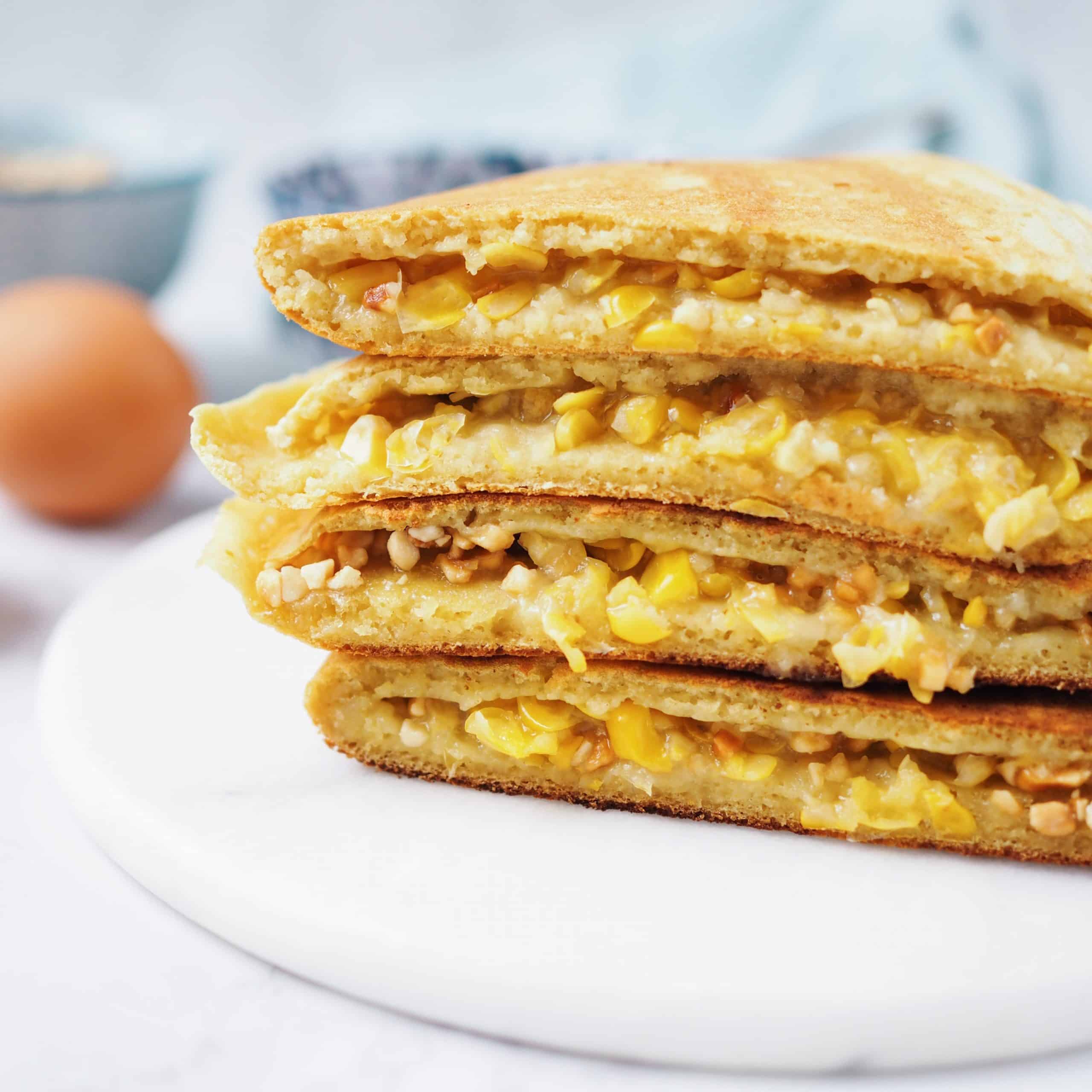
Apam Balik
Peanut Pancake Turnover
Night market snack, afternoon treat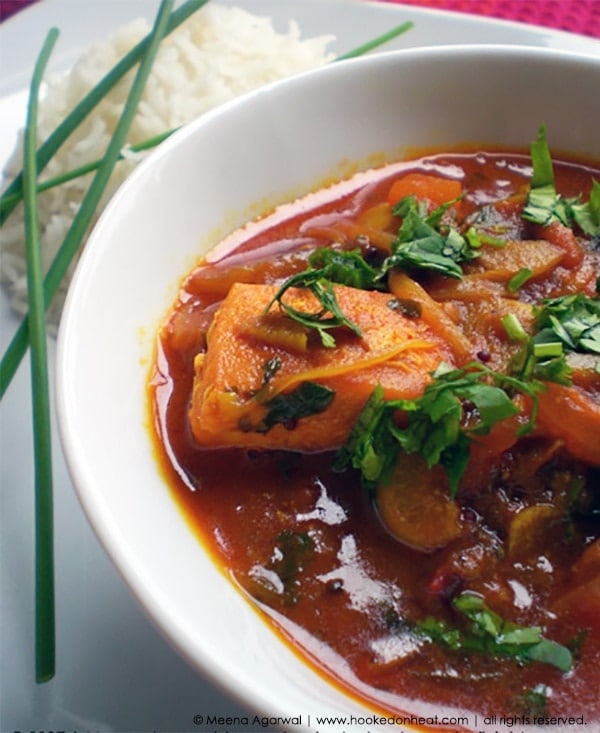 Medium
📜 Story
Medium
📜 Story
Asam Pedas
Sour and Spicy Fish Stew
Lunch, especially along the coastal states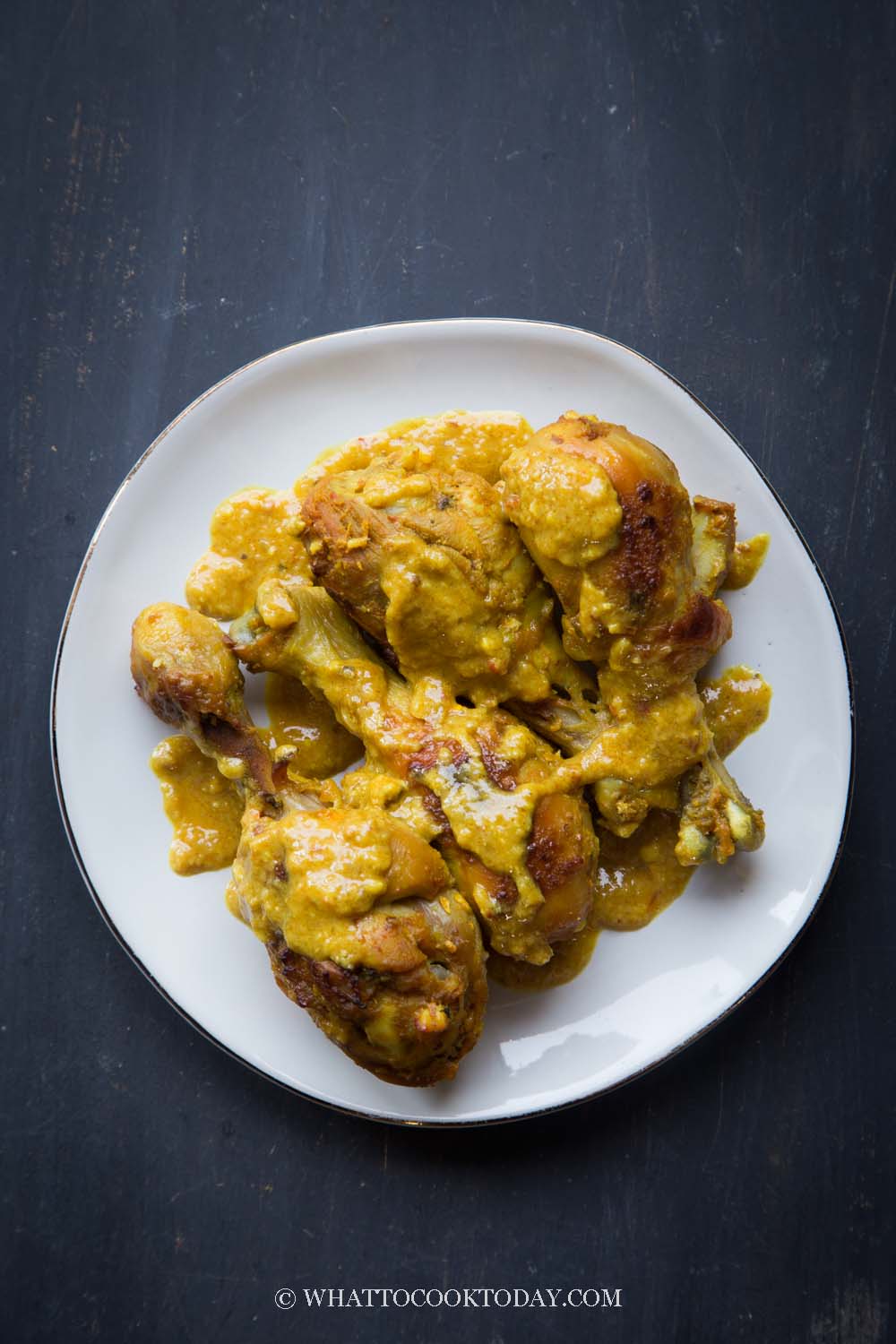 Medium
📜 Story
Medium
📜 Story
Ayam Percik
Flame-Grilled Spiced Chicken
Ramadan bazaars, night markets, festive occasions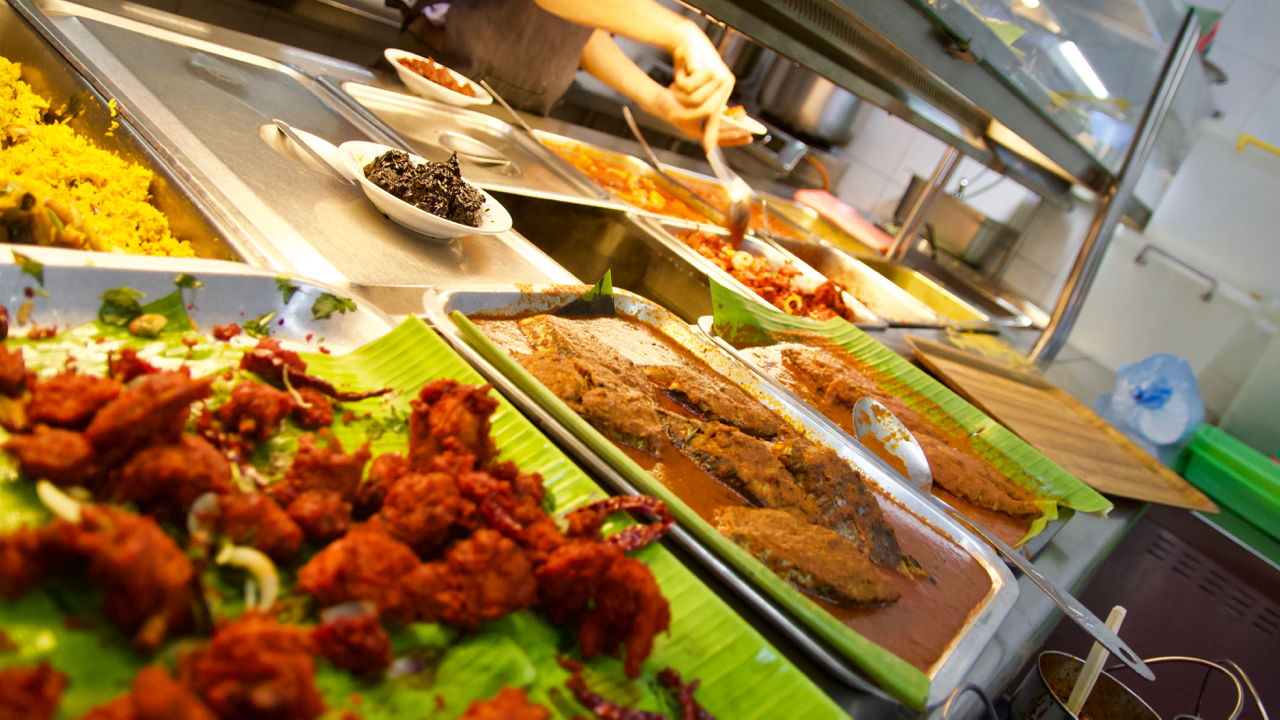 Medium
📜 Story
Medium
📜 Story
Banana Leaf Rice
South Indian Rice on Banana Leaf
Lunch, the main midday meal at Indian restaurants
Comments (0)
Log in to leave a comment.
No comments yet. Be the first to share your thoughts!