
Lamb tripe stuffed with a fragrant mixture of rice, herbs, liver, and spices, then slow-simmered until tender. This traditional Libyan delicacy is reserved for special occasions.
Nutrition & Info
Equipment Needed
Presentation Guide
Instructions
-
1
Clean the lamb tripe extremely thoroughly, scrubbing with salt and rinsing multiple times until perfectly clean.
-
2
Mix rice, diced liver, parsley, mint, onion, tomato paste, turmeric, bzaar, cinnamon, salt, and pepper in a bowl.
-
3
Stuff the tripe loosely with the filling (rice will expand). Sew the opening shut with kitchen string or a needle and thread.
-
4
Place the stuffed tripe in a large pot of salted water. Bring to a gentle boil, then reduce to a low simmer.
-
5
Simmer for 2-2.5 hours, checking occasionally, until the tripe is tender and the rice inside is fully cooked.
-
6
Remove carefully, let rest 10 minutes, then slice into thick rounds and serve with the cooking broth.
Did You Know?
Preparing usban is a communal event during Eid al-Adha, with entire families working together in an assembly line to clean, stuff, and sew.
Chef's Notes
Equipment Tips
- large pot
- needle and thread
- mixing bowl
Garnishing
fresh herbs, lemon wedges
Accompaniments
cooking broth, bread
The Story Behind Usban
Usban is Libya's ultimate celebratory dish, deeply tied to Eid al-Adha when families sacrifice a lamb and use every part of the animal. The tradition of stuffing tripe with rice and offal reflects the pastoral nomadic heritage of Libya's interior, where wasting any part of a slaughtered animal was unthinkable. The dish demands skill, patience, and communal effort, making it a powerful symbol of family unity and cultural continuity.
More Libyan Dishes
 Easy
📜 Story
Easy
📜 Story
Asida
Sweet Wheat Porridge
Celebrations, new baby, breakfast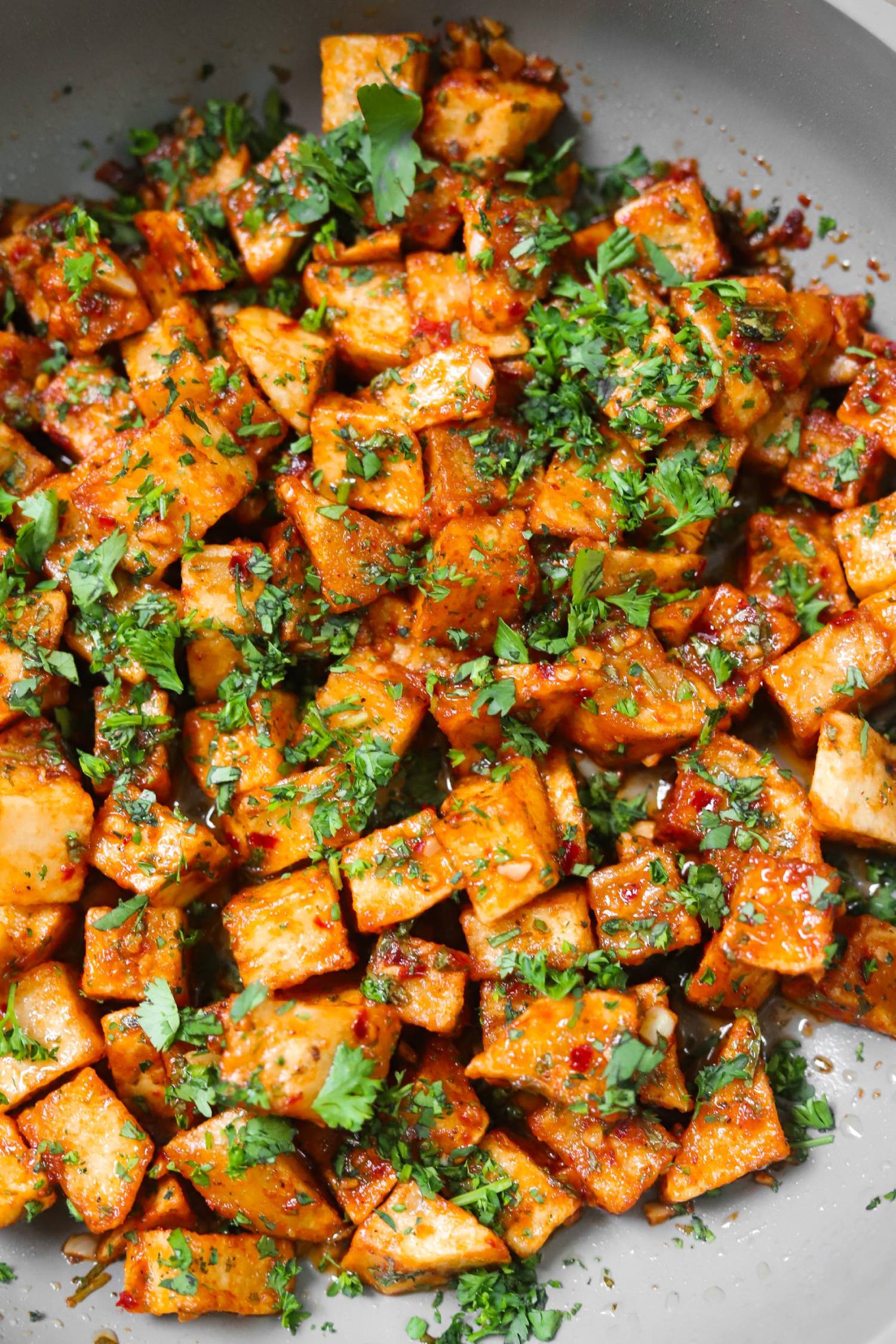 Easy
📜 Story
Easy
📜 Story
Batata Mbasla
Libyan Fried Onion Potatoes
Side dish, everyday meal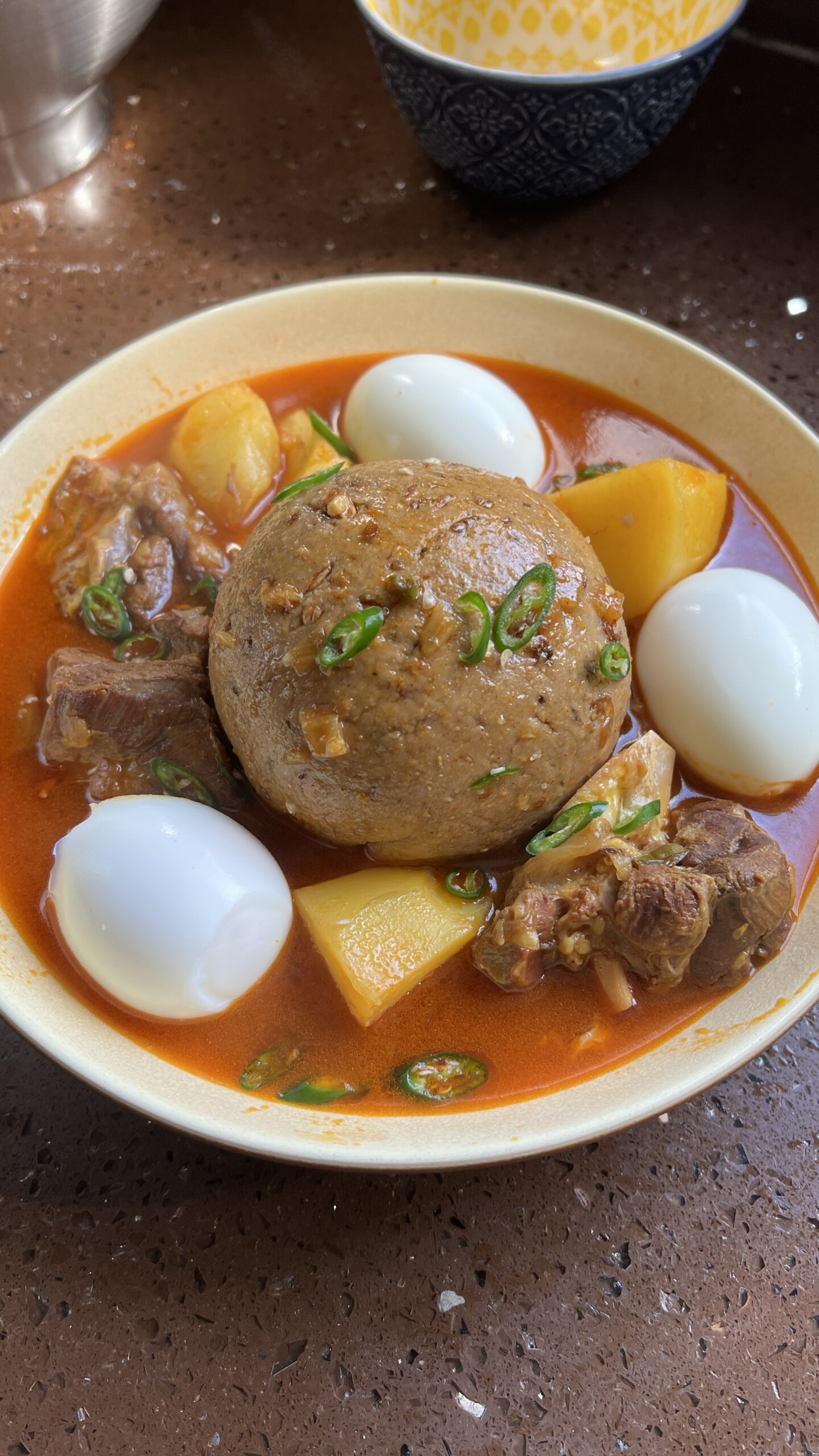 Hard
📜 Story
Hard
📜 Story
Bazeen
Barley Dome with Stew
Friday lunch, Eid celebrations Easy
📜 Story
Easy
📜 Story
Bsisa
Toasted Grain and Nut Powder
Breakfast, energy snack, Ramadan suhoor
Comments (0)
Log in to leave a comment.
No comments yet. Be the first to share your thoughts!