
Tajine Msayer
طاجين مساير (tah-JEEN mm-SAH-yer)
Libyan Baked Egg Casserole
A golden, custardy baked casserole of eggs, lamb, potatoes, and aromatic spices. Unlike Moroccan tagine, Libyan tajine is a baked egg dish, dense and satisfying.
Instructions
-
1
Saute onion in olive oil until golden. Add shredded lamb, tomato paste, turmeric, cumin, and cinnamon. Cook 5 minutes.
-
2
Spread boiled potato cubes in a greased round baking dish. Top with the spiced lamb mixture.
-
3
Beat eggs well with salt, pepper, and parsley. Pour evenly over the lamb and potato layers.
-
4
Bake at 180C for 30-35 minutes until the top is set, golden, and slightly puffed.
-
5
Let rest 10 minutes before cutting into wedges like a cake.
-
6
Serve warm or at room temperature with a simple salad and bread.
Did You Know?
Libyan tajine confuses many visitors who expect the Moroccan cone-shaped vessel; in Libya, tajine simply means a baked egg dish.
The Story Behind Tajine Msayer
Libyan tajine bears no resemblance to Moroccan tagine beyond sharing a name derived from the same Arabic root. In Libya, tajine refers to a baked egg casserole that likely arrived via Ottoman culinary influence, related to Turkish kuku and Persian kookoo. It became a beloved way to stretch leftover meat into a new meal, reflecting Libyan household thrift. The dish is versatile, appearing at lunch tables across the country in countless variations depending on what ingredients are available.
More Libyan Dishes
 Easy
📜 Story
Easy
📜 Story
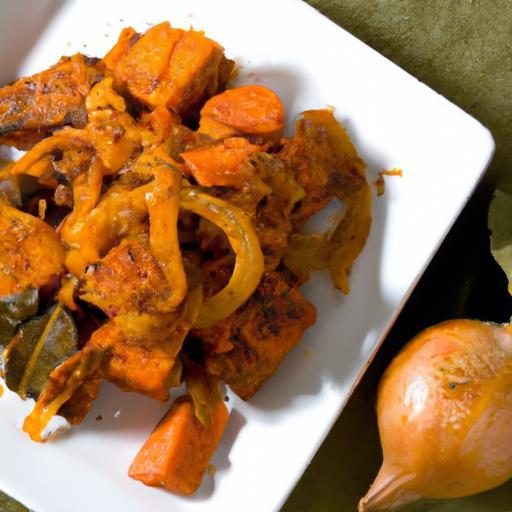
Asida
Sweet Wheat Porridge
Celebrations, new baby, breakfast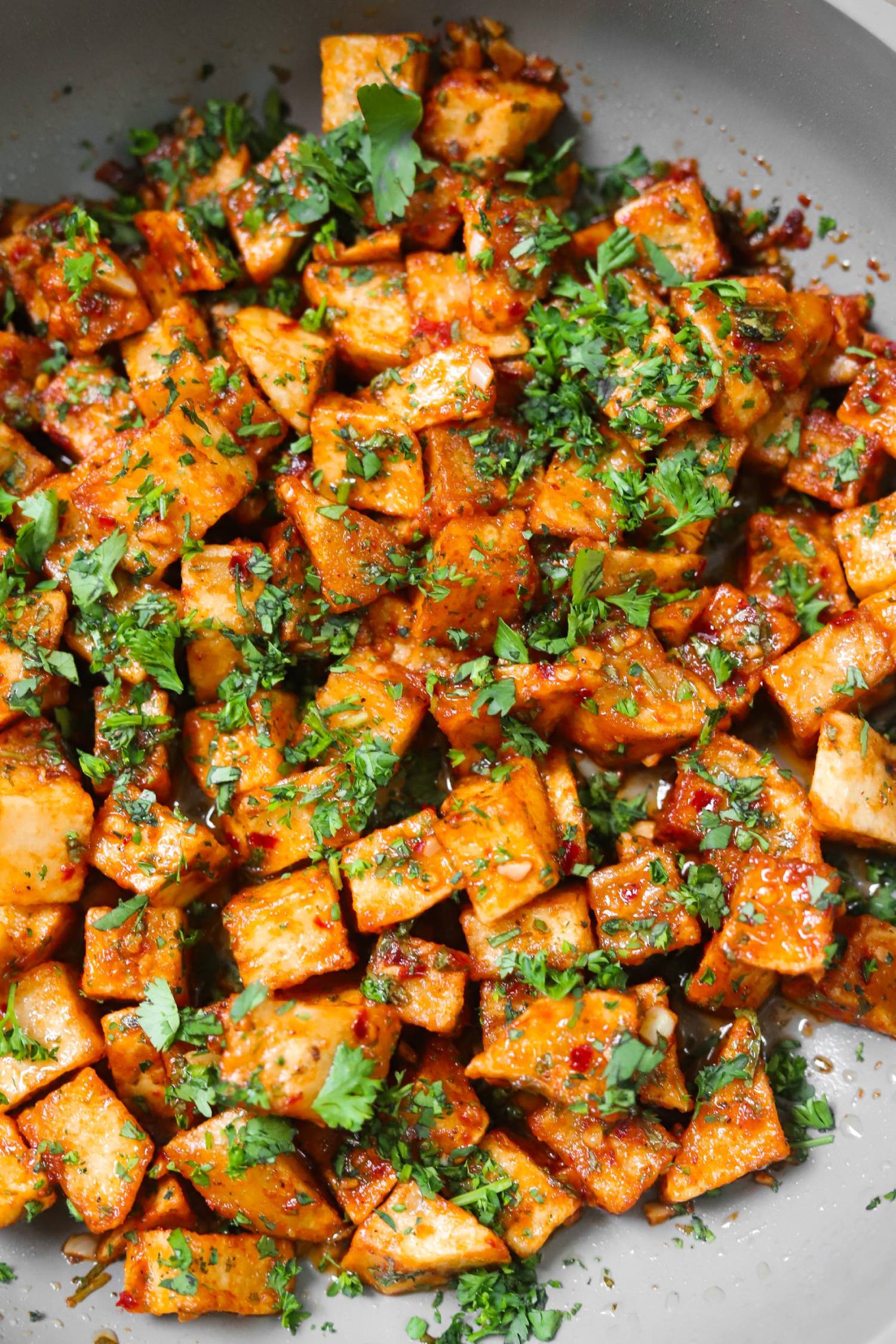 Easy
📜 Story
Easy
📜 Story
Batata Mbasla
Libyan Fried Onion Potatoes
Side dish, everyday meal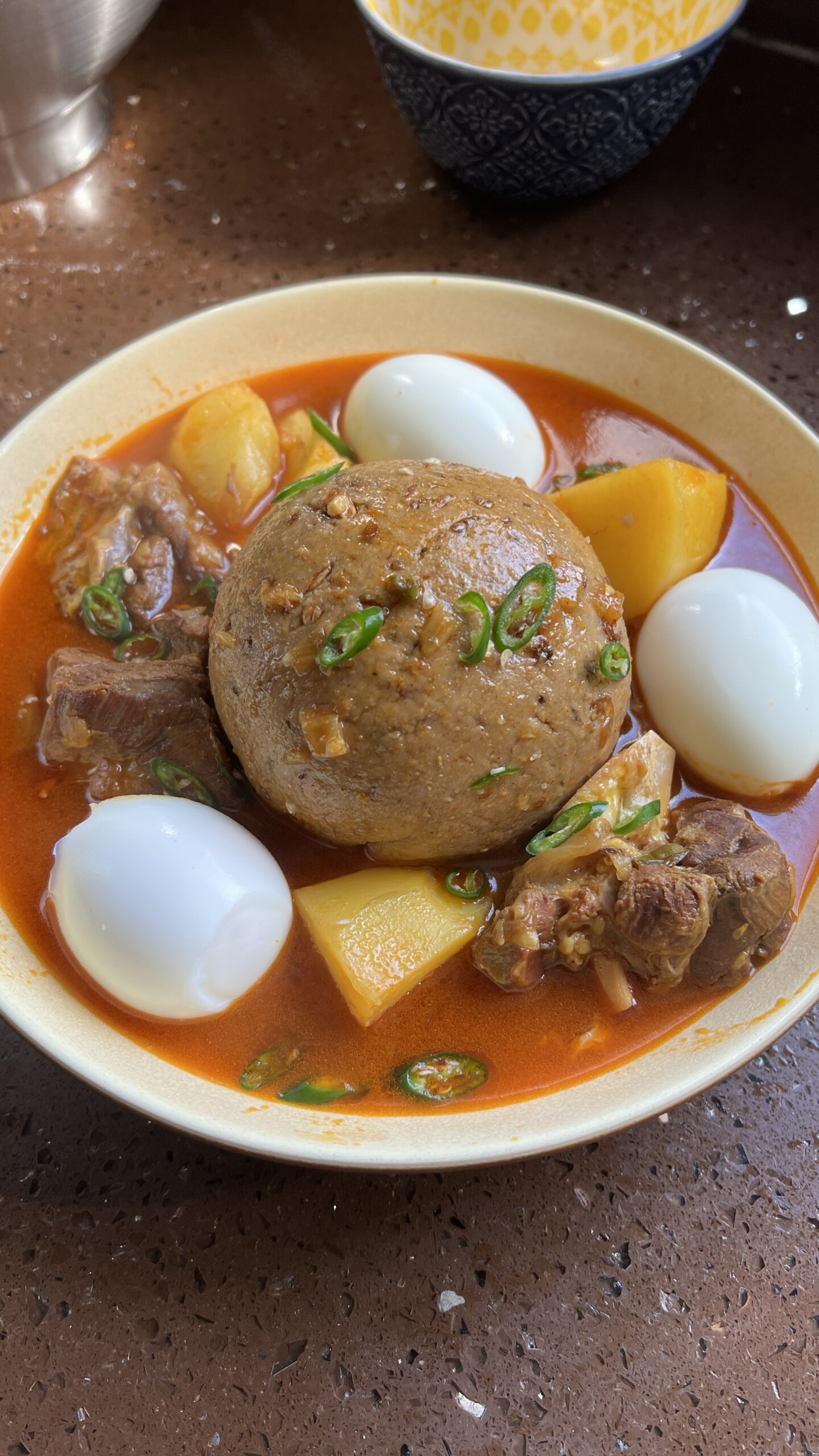 Hard
📜 Story
Hard
📜 Story
Bazeen
Barley Dome with Stew
Friday lunch, Eid celebrations Easy
📜 Story
Easy
📜 Story
Bsisa
Toasted Grain and Nut Powder
Breakfast, energy snack, Ramadan suhoor
Comments (0)
Log in to leave a comment.
No comments yet. Be the first to share your thoughts!