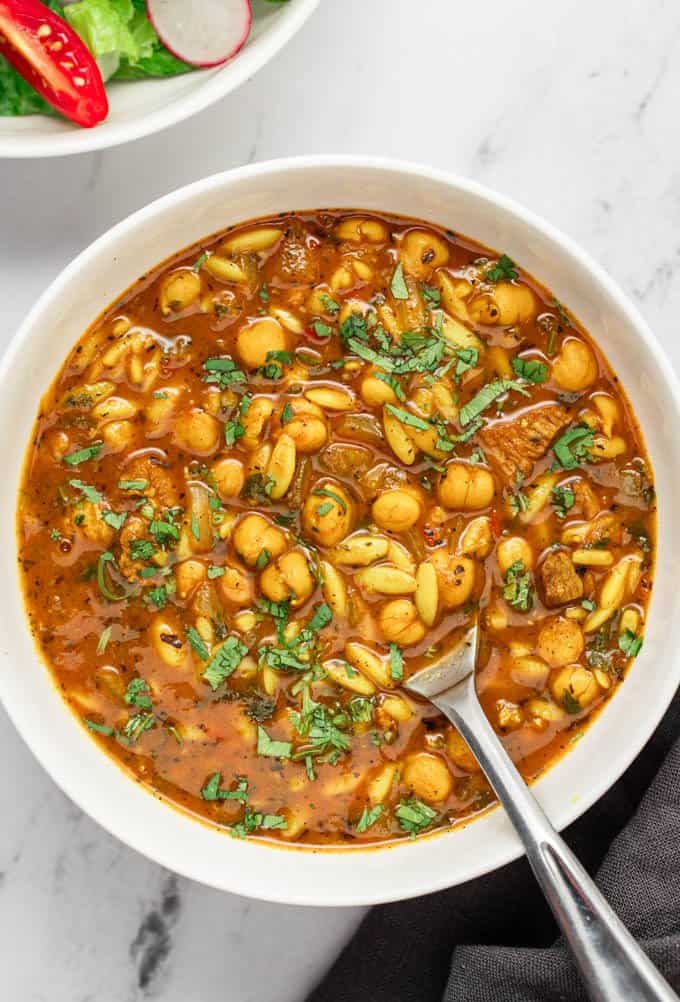
Warming tomato-based lamb soup with orzo pasta, chickpeas, and warming spices. The quintessential Ramadan iftar starter.
Nutrition & Info
Allergen Warnings
Equipment Needed
Presentation Guide
Vessel: deep ceramic bowl
Garnishes: fresh mint, lemon wedge, dried mint sprinkle
Accompaniments: crusty bread
Instructions
-
1
Heat the olive oil in a large pot over medium-high heat. Add the lamb cubes and brown them evenly on all sides for about four minutes, developing a rich golden crust on the meat.
-
2
Add the diced onion to the pot and sauté for three minutes until softened and translucent. Stir in the fresh parsley and cook for another minute until the herbs begin to release their aroma.
-
3
Add the tomato paste, turmeric, cinnamon, and black pepper, stirring constantly for two minutes until the spices bloom and the tomato paste darkens slightly, coating the meat and onions evenly.
-
4
Pour in six cups of water, increase the heat to high, and bring the soup to a boil. Reduce the heat to medium-low, cover, and simmer for thirty minutes until the lamb is completely tender.
-
5
Add the drained chickpeas and orzo pasta to the pot, stirring well to distribute them evenly. Continue simmering uncovered for twelve to fifteen minutes until the orzo is fully cooked and tender.
-
6
Remove the pot from the heat and stir in the dried mint and fresh lemon juice. Taste and adjust the seasoning with salt as needed. The soup should be brothy but substantial with visible ingredients.
-
7
Ladle the sharba into deep bowls, ensuring each portion has a generous share of meat, chickpeas, and orzo. Garnish with an extra pinch of dried mint and serve hot with crusty bread.
Did You Know?
No Libyan Ramadan table is complete without sharba.
Chef's Notes
Equipment Tips
- large pot
- ladle
- sharp knife
Garnishing
fresh mint, lemon wedge, dried mint sprinkle
Accompaniments
crusty bread
The Story Behind Sharba Libiya
The Story: Sharba Libya is a hearty lamb and tomato soup enriched with small pasta, chickpeas, and a fragrant blend of mint, cinnamon, and turmeric. This soup represents the layered history of Libyan cuisine in a single bowl: the lamb and chickpeas reflect Arab and Amazigh pastoral traditions, the tomato base arrived via Mediterranean trade routes, and the small pasta shapes are a direct legacy of Italian colonial influence. The mint garnish and spice profile, however, are unmistakably North African.
On the Calendar: Sharba is the traditional starter for Ramadan iftar meals across Libya, served as the first course to gently break the fast before heavier dishes follow. It also appears at wedding feasts and is a common comfort food during cold winter evenings in the northern coastal cities.
Then & Now: While the core recipe remains consistent, regional variations abound. Tripolitanian versions tend to be tomato-heavy and pasta-rich, while Cyrenaican (eastern) preparations may use more grain and less pasta. The soup has become a symbol of Ramadan itself in Libyan culture, and its aroma wafting through neighborhoods at sunset signals the approaching call to prayer.
Legacy: Sharba Libya demonstrates how a cuisine can absorb foreign influences and transform them into something entirely its own, creating a dish that no Italian or Arab would claim but every Libyan recognizes as home.
More Libyan Dishes
 Easy
📜 Story
Easy
📜 Story
Asida
Sweet Wheat Porridge
Celebrations, new baby, breakfast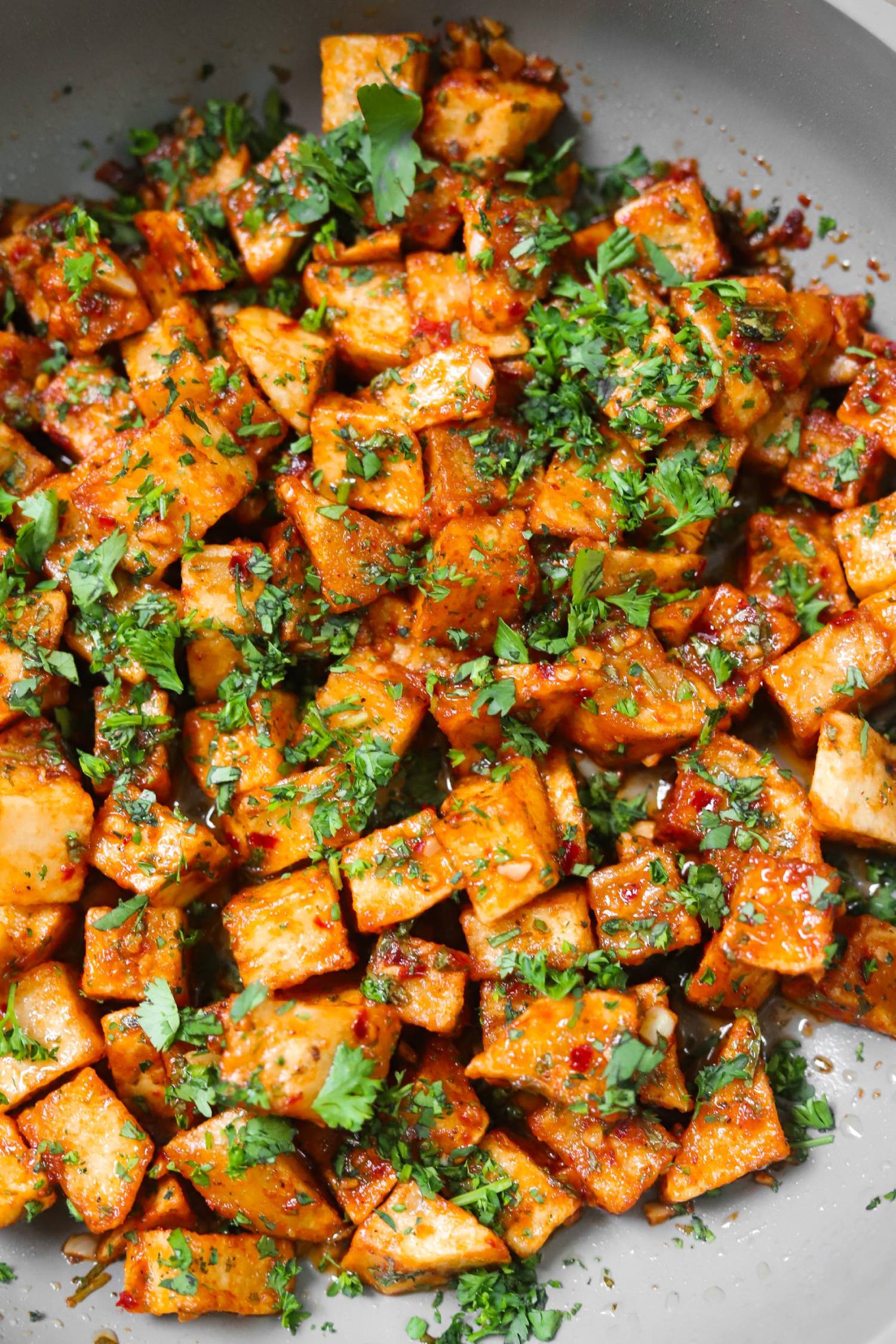 Easy
📜 Story
Easy
📜 Story
Batata Mbasla
Libyan Fried Onion Potatoes
Side dish, everyday meal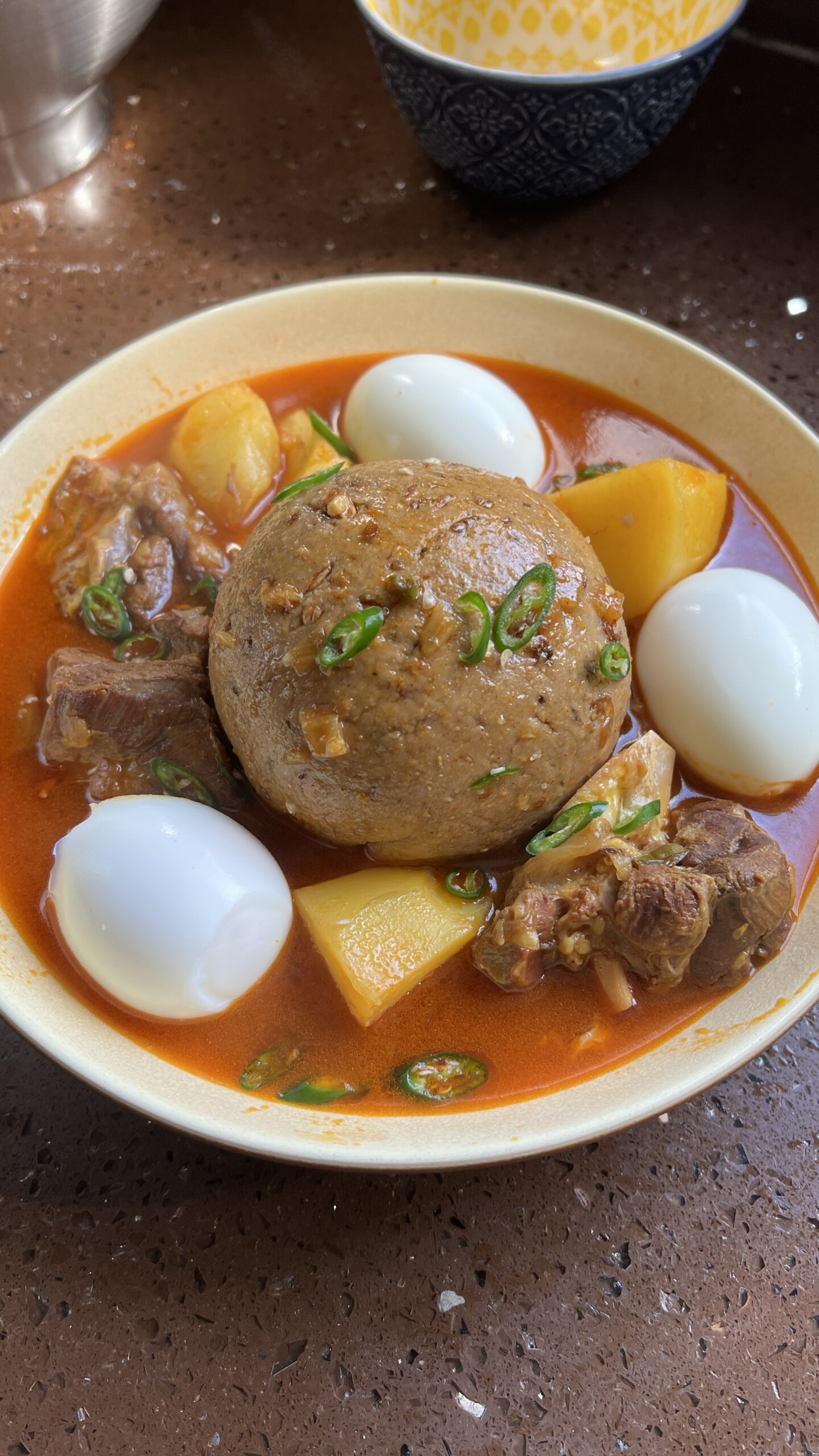 Hard
📜 Story
Hard
📜 Story
Bazeen
Barley Dome with Stew
Friday lunch, Eid celebrations Easy
📜 Story
Easy
📜 Story
Bsisa
Toasted Grain and Nut Powder
Breakfast, energy snack, Ramadan suhoor
Comments (0)
Log in to leave a comment.
No comments yet. Be the first to share your thoughts!