
A silky, rose-scented milk pudding thickened with cornstarch and topped with crushed pistachios. This delicate Libyan dessert is cooling, elegant, and subtly perfumed.
Nutrition & Info
Allergen Warnings
Equipment Needed
Presentation Guide
Vessel: glass serving cups
Garnishes: crushed pistachios, cinnamon, rose petals
Instructions
-
1
Dissolve cornstarch in 1/2 cup of cold milk, whisking until completely smooth with no lumps.
-
2
Heat remaining milk with sugar in a saucepan over medium heat, stirring until sugar dissolves.
-
3
Pour the cornstarch mixture into the hot milk while whisking continuously to prevent lumps.
-
4
Keep stirring over medium heat for 8-10 minutes until the mixture thickens and coats the back of a spoon.
-
5
Remove from heat, stir in rose water and vanilla. Pour into individual serving cups or a bowl.
-
6
Refrigerate for at least 3 hours until set. Garnish with crushed pistachios and a dusting of cinnamon.
Did You Know?
During Ramadan, mhalbiya is the most popular dessert across Libya, with every household keeping a batch chilled and ready for iftar.
Chef's Notes
Equipment Tips
- saucepan
- whisk
- serving cups
- refrigerator
Garnishing
crushed pistachios, cinnamon, rose petals
The Story Behind Mhalbiya
Mhalbiya traces its origins to medieval Arab cuisine, where milk puddings were considered refined and suitable for nobility. In Libya, the dessert became democratized, enjoyed by all social classes especially during Ramadan. The rose water perfume and pistachio garnish connect it to the broader Levantine and Persian dessert tradition, while Libyan versions tend toward a firmer set and more generous rose water. It represents the gentler, more delicate side of a cuisine often known for its bold spicing.
More Libyan Dishes
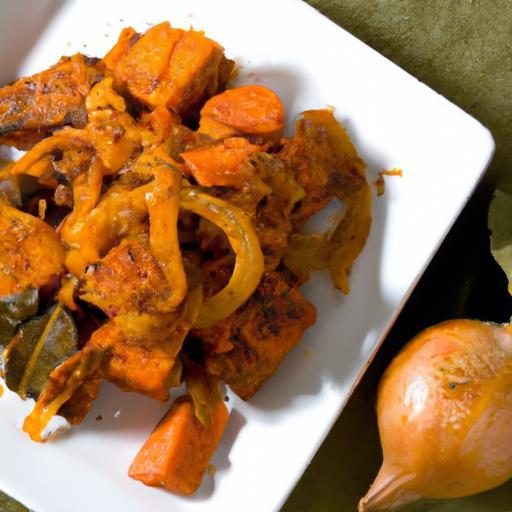 Easy
📜 Story
Easy
📜 Story
Asida
Sweet Wheat Porridge
Celebrations, new baby, breakfast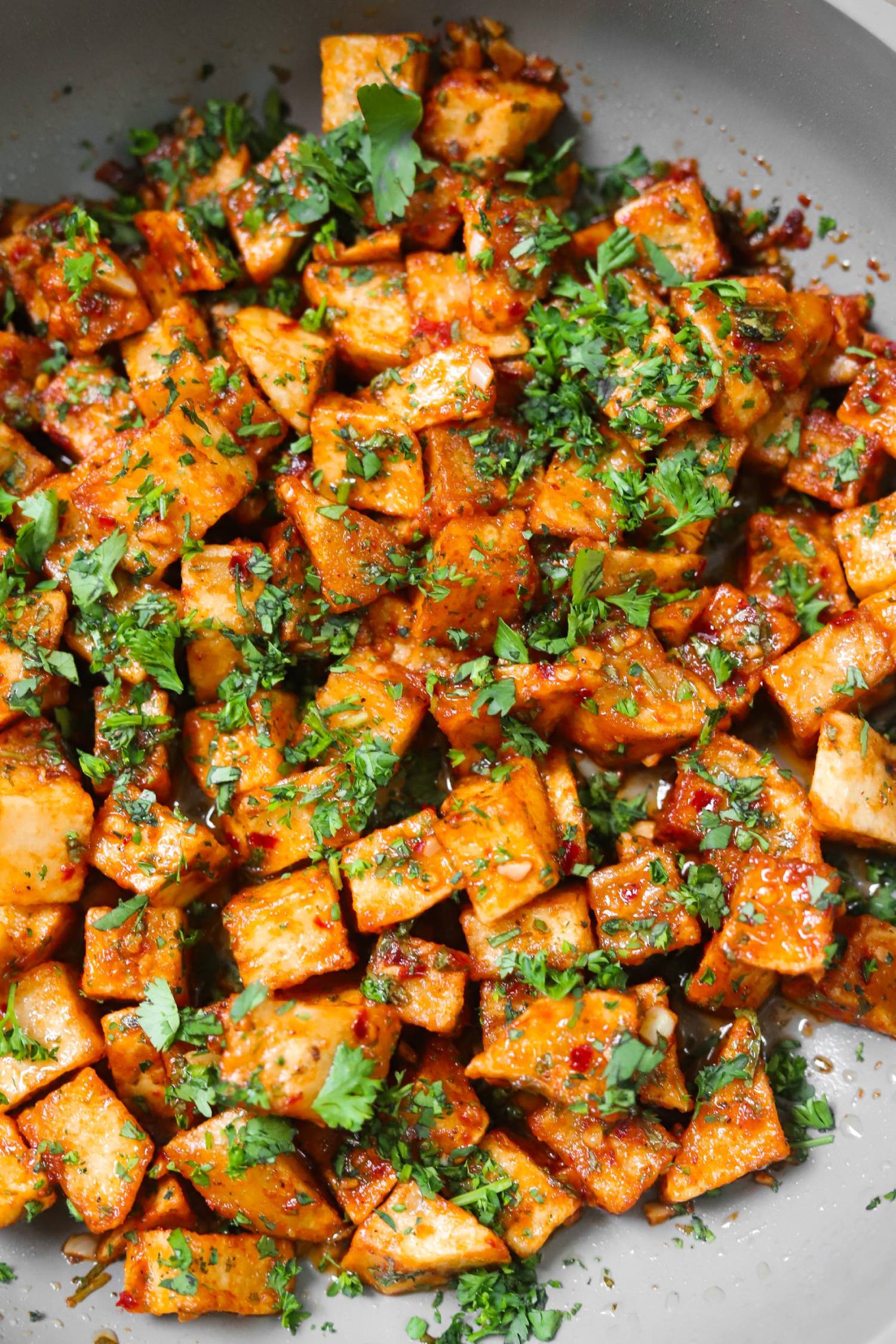 Easy
📜 Story
Easy
📜 Story
Batata Mbasla
Libyan Fried Onion Potatoes
Side dish, everyday meal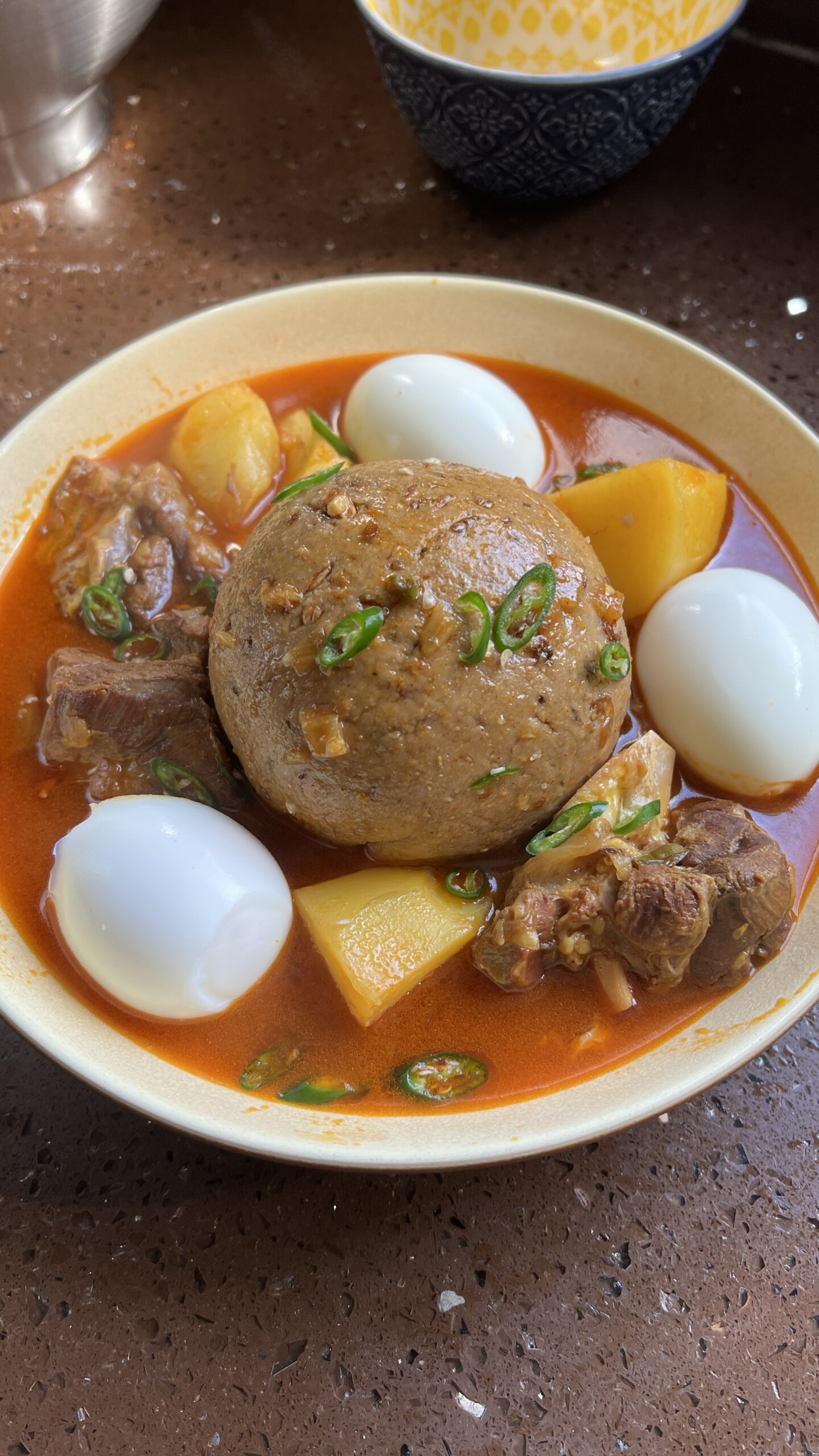 Hard
📜 Story
Hard
📜 Story
Bazeen
Barley Dome with Stew
Friday lunch, Eid celebrations Easy
📜 Story
Easy
📜 Story
Bsisa
Toasted Grain and Nut Powder
Breakfast, energy snack, Ramadan suhoor
Comments (0)
Log in to leave a comment.
No comments yet. Be the first to share your thoughts!