
Rishta bil Adas
رشتة بالعدس (RISH-tah bil AH-das)
Libyan Noodles with Lentils
Hand-cut noodles simmered with brown lentils in a warming turmeric-tinged broth. This rustic Libyan comfort dish is hearty, wholesome, and deeply satisfying.
Nutrition & Info
Allergen Warnings
Equipment Needed
Presentation Guide
Vessel: deep bowl
Garnishes: olive oil drizzle
Accompaniments: crusty bread
Instructions
-
1
Make a firm dough with flour, water, and salt. Knead well, rest 15 minutes, then roll thin and cut into short noodle strips.
-
2
Cook lentils in 4 cups of water for 15 minutes until half-tender.
-
3
In another pot, saute onion in olive oil until golden. Add tomato paste, turmeric, and cumin, stirring for 2 minutes.
-
4
Add the lentils with their cooking water to the onion mixture. Bring to a simmer.
-
5
Drop in the fresh noodle strips, stir gently, and cook 12-15 minutes until both noodles and lentils are tender.
-
6
Season with salt and pepper. Serve hot in deep bowls with a drizzle of olive oil.
Did You Know?
Libyan grandmothers can tell the noodles are done by the sound of the bubbling pot changing pitch as the broth thickens.
Chef's Notes
Equipment Tips
- large pot
- cutting board
- rolling pin
Garnishing
olive oil drizzle
Accompaniments
crusty bread
The Story Behind Rishta bil Adas
Rishta bil adas represents the ancient marriage of grain and legume that sustained North African civilizations for millennia. The hand-cut noodles predate Italian pasta influence, reflecting an indigenous tradition of boiled dough. This is the food of Libyan winters and lean times, nutritionally complete and infinitely comforting. The dish connects to a pan-Middle Eastern tradition of noodle-lentil soups, but the Libyan version stands out for its turmeric color and bzaar spice depth.
More Libyan Dishes
 Easy
📜 Story
Easy
📜 Story
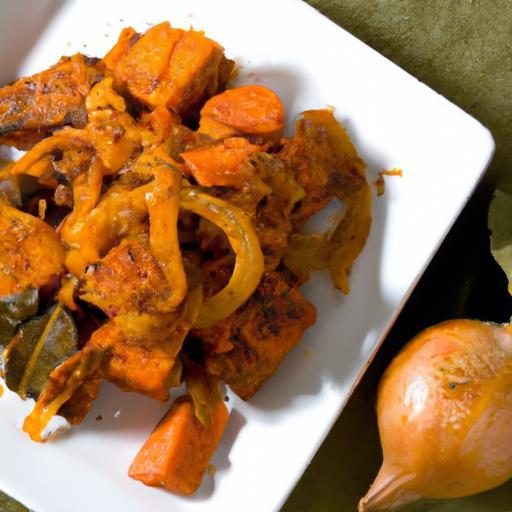
Asida
Sweet Wheat Porridge
Celebrations, new baby, breakfast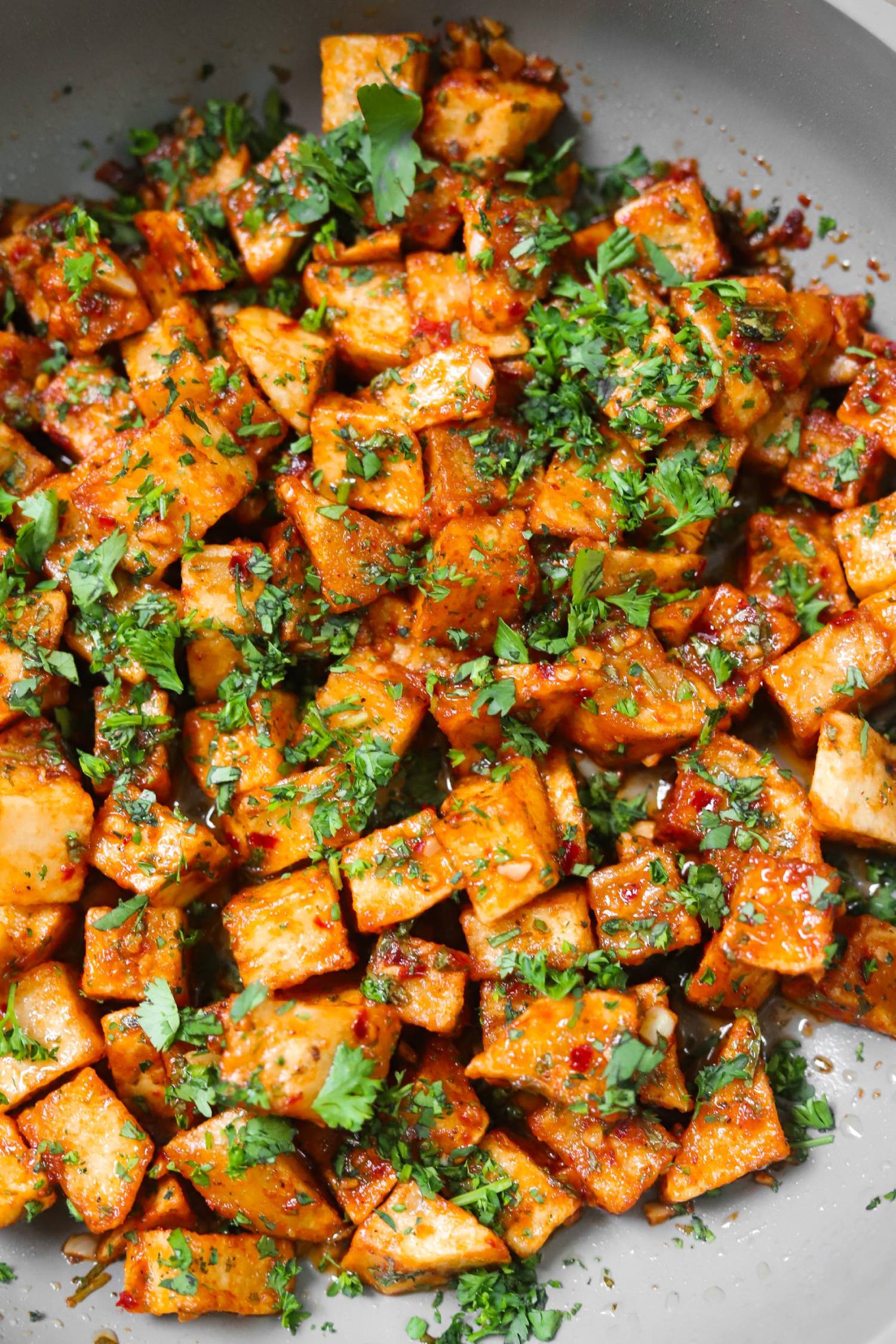 Easy
📜 Story
Easy
📜 Story
Batata Mbasla
Libyan Fried Onion Potatoes
Side dish, everyday meal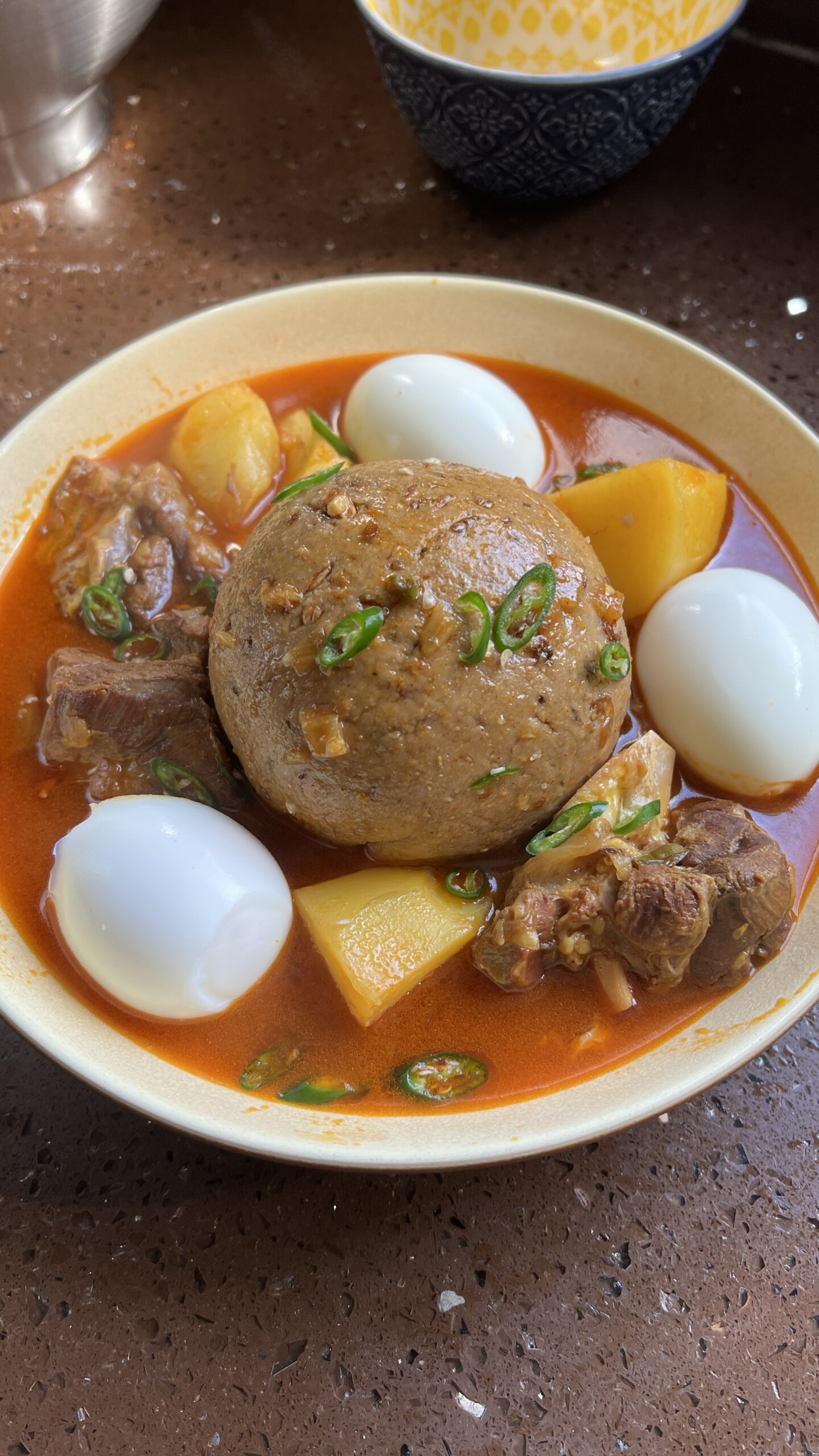 Hard
📜 Story
Hard
📜 Story
Bazeen
Barley Dome with Stew
Friday lunch, Eid celebrations Easy
📜 Story
Easy
📜 Story
Bsisa
Toasted Grain and Nut Powder
Breakfast, energy snack, Ramadan suhoor
Comments (0)
Log in to leave a comment.
No comments yet. Be the first to share your thoughts!