
Short pasta simmered directly in a fiery tomato and lamb sauce until it absorbs every drop of flavor. Libya's beloved one-pot pasta dish that reflects Italian colonial culinary influence filtered through Libyan spice.
Nutrition & Info
Allergen Warnings
Equipment Needed
Presentation Guide
Vessel: deep serving bowl
Garnishes: fresh chili
Accompaniments: pickled vegetables
Instructions
-
1
Heat olive oil in a large pot, brown the lamb cubes on all sides, then add diced onion and cook until softened.
-
2
Stir in tomato paste, chopped tomatoes, turmeric, paprika, cayenne, and bzaar. Cook for 3 minutes until fragrant.
-
3
Add water and bring to a boil. Simmer for 20 minutes until lamb is nearly tender.
-
4
Add the dry pasta directly into the sauce. Stir well so pasta is submerged, then cover and cook 12-15 minutes.
-
5
Stir occasionally to prevent sticking. The pasta should absorb most of the liquid, becoming deeply flavored.
-
6
Serve hot directly from the pot, ensuring each portion has both pasta and lamb pieces.
Did You Know?
Mbakbaka is a direct descendant of Italian pasta culture, adopted and transformed by Libyan cooks who added their bold spice palette during the colonial period.
Chef's Notes
Equipment Tips
- large pot
- wooden spoon
Garnishing
fresh chili
Accompaniments
pickled vegetables
The Story Behind Mbakbaka
When Italy colonized Libya in 1911, they brought pasta culture with them. Libyan cooks adopted the ingredient but completely reimagined its preparation, cooking pasta directly in richly spiced lamb sauces rather than boiling separately. The result, mbakbaka, became uniquely Libyan: bolder, spicier, and more intensely flavored than any Italian original. Today it stands as a testament to how colonized peoples can transform imposed cultures into something entirely their own.
More Libyan Dishes
 Easy
📜 Story
Easy
📜 Story
Asida
Sweet Wheat Porridge
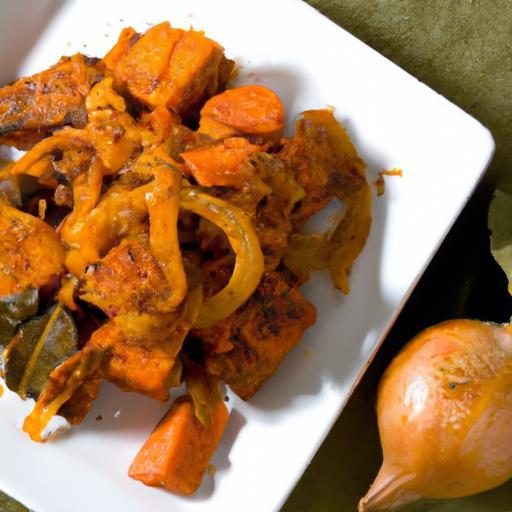
Celebrations, new baby, breakfast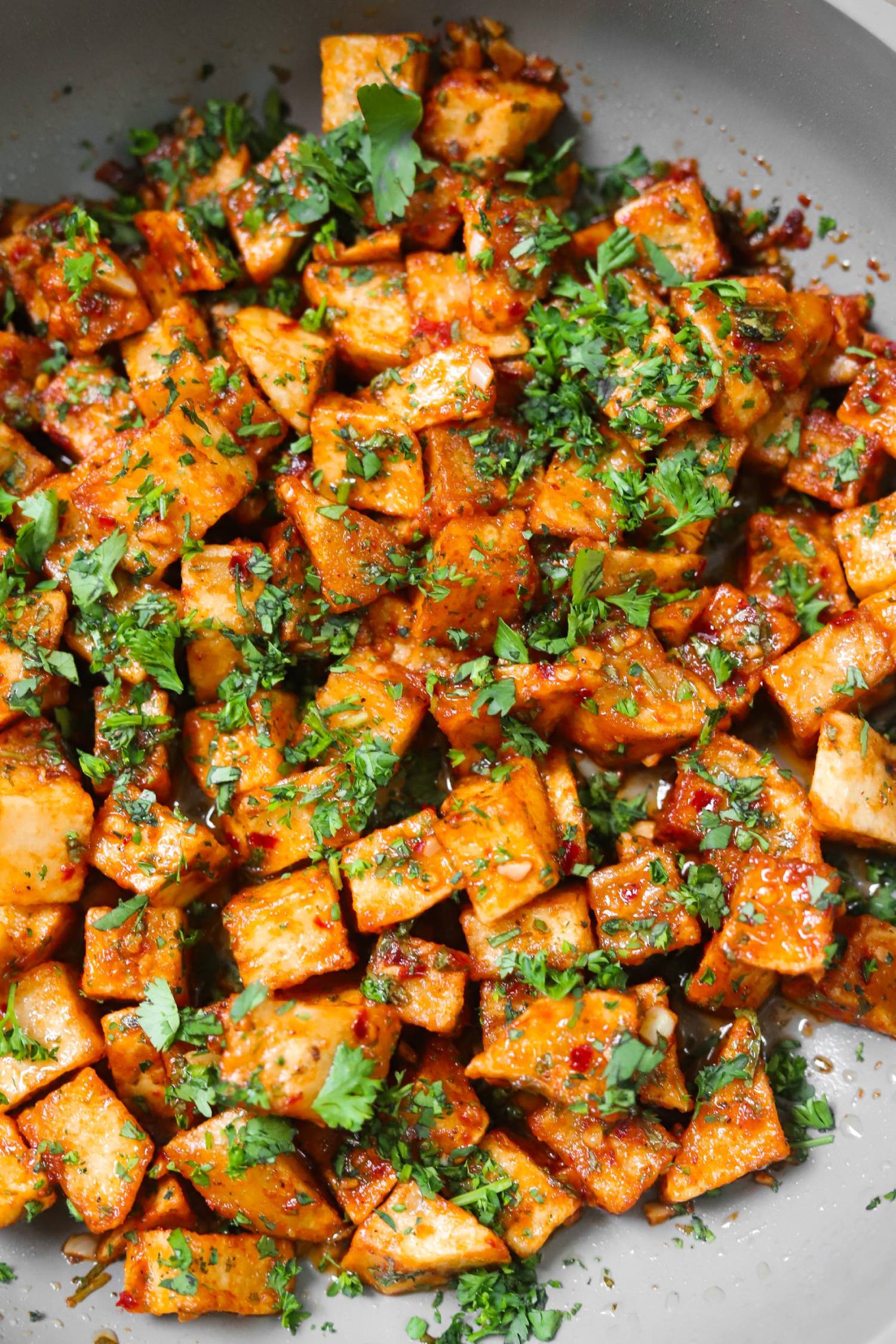 Easy
📜 Story
Easy
📜 Story
Batata Mbasla
Libyan Fried Onion Potatoes
Side dish, everyday meal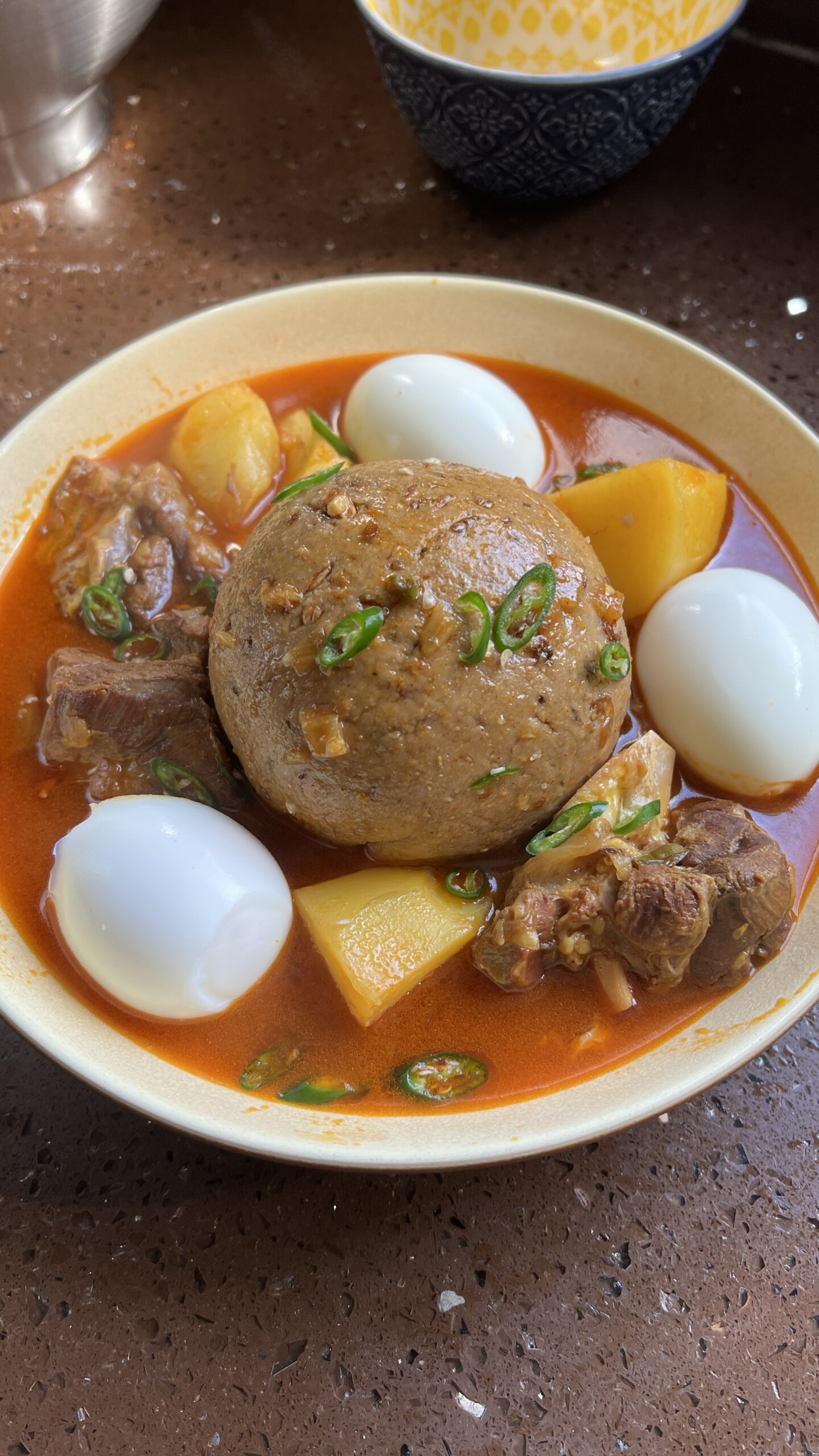 Hard
📜 Story
Hard
📜 Story
Bazeen
Barley Dome with Stew
Friday lunch, Eid celebrations Easy
📜 Story
Easy
📜 Story
Bsisa
Toasted Grain and Nut Powder
Breakfast, energy snack, Ramadan suhoor
Comments (0)
Log in to leave a comment.
No comments yet. Be the first to share your thoughts!