
Sun-dried lamb strips preserved with salt, cumin, and coriander, then used to flavor stews and couscous. This ancient Libyan preservation method creates an intense, umami-rich ingredient.
Nutrition & Info
Equipment Needed
Presentation Guide
Instructions
-
1
Cut lean lamb into thin strips about 1cm thick and 15cm long, cutting against the grain for tenderness.
-
2
Mix all spices with the salt. Rub the spice mixture thoroughly into every surface of each lamb strip.
-
3
Thread the strips onto hooks or lay them on a drying rack in a well-ventilated, warm area.
-
4
Dry in direct sunlight for 2-3 days, bringing indoors at night, until the meat is completely dried and stiff.
-
5
The maseer is ready when it snaps cleanly when bent. It should be dry all the way through.
-
6
Store in airtight containers. To use, rehydrate strips in stews, soups, or crumble over couscous.
Did You Know?
Libyan nomads could survive weeks in the Sahara with just maseer, bsisa, and water, making these two foods the original survival rations.
Chef's Notes
Equipment Tips
- sharp knife
- drying rack or hooks
- airtight container
Garnishing
whole spices
Accompaniments
couscous, stews
The Story Behind Maseer
Maseer embodies the survival wisdom of Libya's nomadic and semi-nomadic peoples. Before refrigeration, drying meat was the only way to preserve the valuable protein from a slaughtered animal. The specific spice rub used in Libyan maseer, heavy on cumin and coriander, both preserves the meat and adds extraordinary depth of flavor when the dried strips are later added to stews and couscous. This technique connects modern Libyan cooking to the deep Saharan traditions that shaped the nation's culinary identity.
More Libyan Dishes
 Easy
📜 Story
Easy
📜 Story
Asida
Sweet Wheat Porridge
Celebrations, new baby, breakfast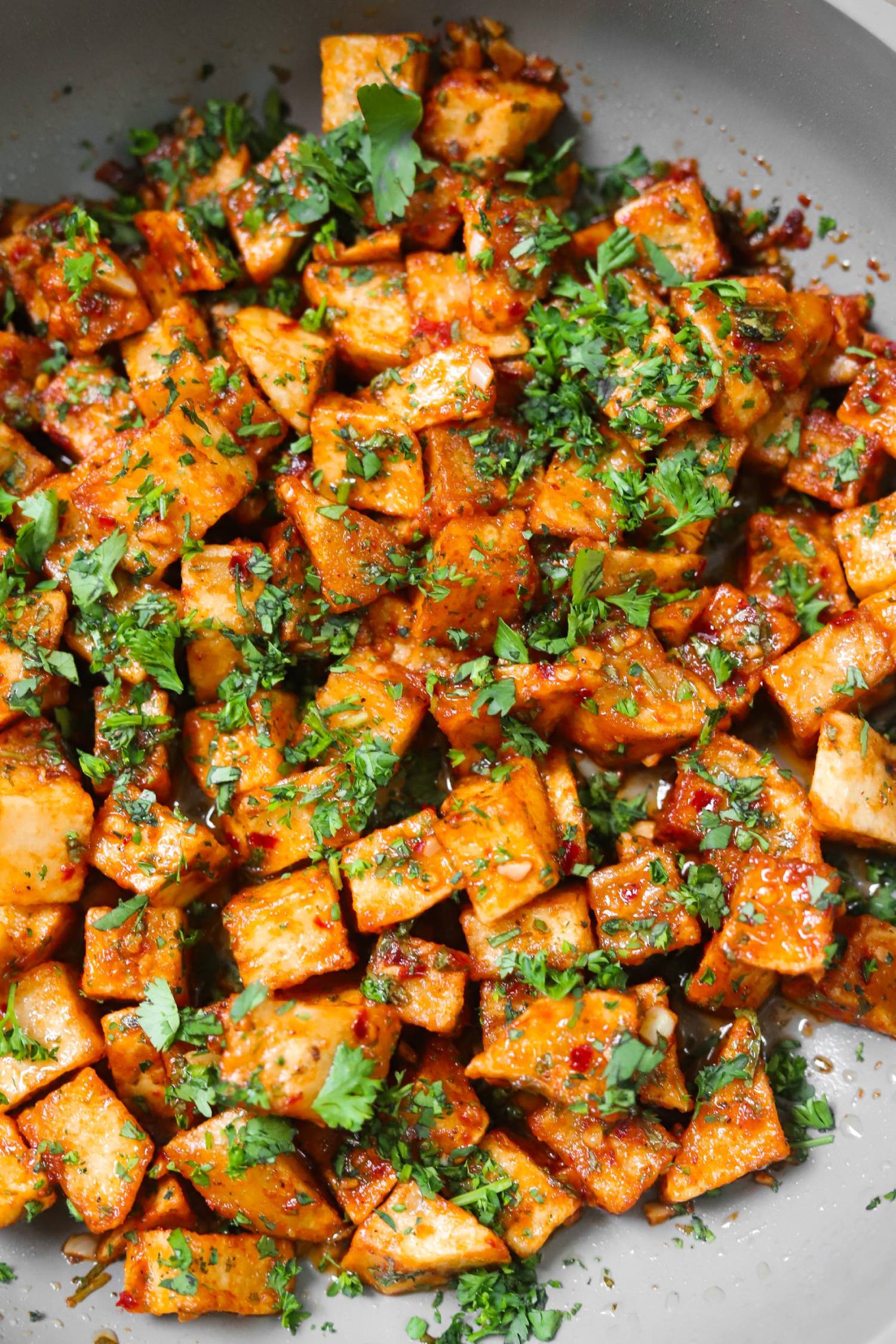 Easy
📜 Story
Easy
📜 Story
Batata Mbasla
Libyan Fried Onion Potatoes
Side dish, everyday meal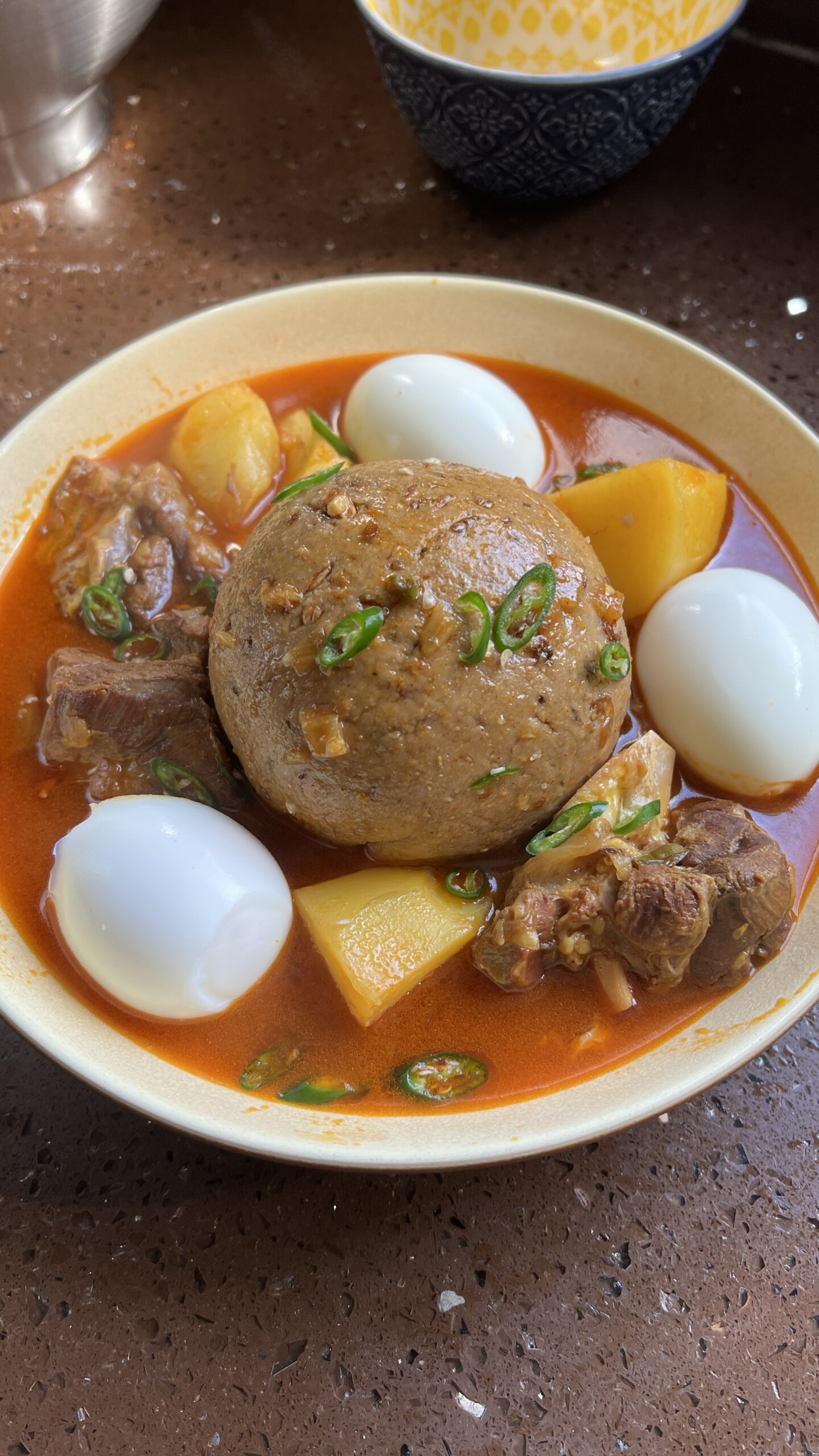 Hard
📜 Story
Hard
📜 Story
Bazeen
Barley Dome with Stew
Friday lunch, Eid celebrations Easy
📜 Story
Easy
📜 Story
Bsisa
Toasted Grain and Nut Powder
Breakfast, energy snack, Ramadan suhoor
Comments (0)
Log in to leave a comment.
No comments yet. Be the first to share your thoughts!