
Golden semolina cookies filled with a spiced date paste and soaked in warm honey syrup. These beloved Libyan sweets are the jewel of every holiday cookie tray.
Nutrition & Info
Allergen Warnings
Equipment Needed
Presentation Guide
Vessel: ornate cookie platter
Garnishes: honey glaze, sesame seeds
Accompaniments: Libyan tea
Instructions
-
1
Mix semolina with melted butter, oil, baking powder, and salt. Add warm water gradually to form a pliable dough. Rest 20 minutes.
-
2
Process dates with cinnamon, cloves, and olive oil into a smooth, thick paste.
-
3
Roll dough into long logs about 5cm wide. Make a channel down the center and pipe in the date paste.
-
4
Close the dough over the filling and seal. Cut into 4cm diamond shapes with a knife.
-
5
Deep-fry in vegetable oil at 170C for 3-4 minutes until golden, or bake at 180C for 20 minutes.
-
6
Warm honey with water and orange blossom water. Dip hot magrood in the syrup, then drain and cool on a rack.
Did You Know?
During Eid in Libya, the quality of a family's magrood is a matter of intense neighborhood pride and friendly competition.
Chef's Notes
Equipment Tips
- mixing bowl
- baking sheet
- saucepan
- rolling pin
Garnishing
honey glaze, sesame seeds
Accompaniments
Libyan tea
The Story Behind Magrood
Magrood is the quintessential Libyan celebration sweet, with roots stretching across the Maghreb. The combination of semolina dough and date filling reflects the desert-adjacent culture where dates were the primary sweetener. Each Libyan city has its variation: Tripoli prefers a thinner, crispier version while Benghazi favors a thicker, softer cookie. During Eid al-Fitr and Mawlid, Libyan women gather to produce hundreds of magrood, filling homes with the scent of frying dough and honey.
More Libyan Dishes
 Easy
📜 Story
Easy
📜 Story
Asida
Sweet Wheat Porridge
Celebrations, new baby, breakfast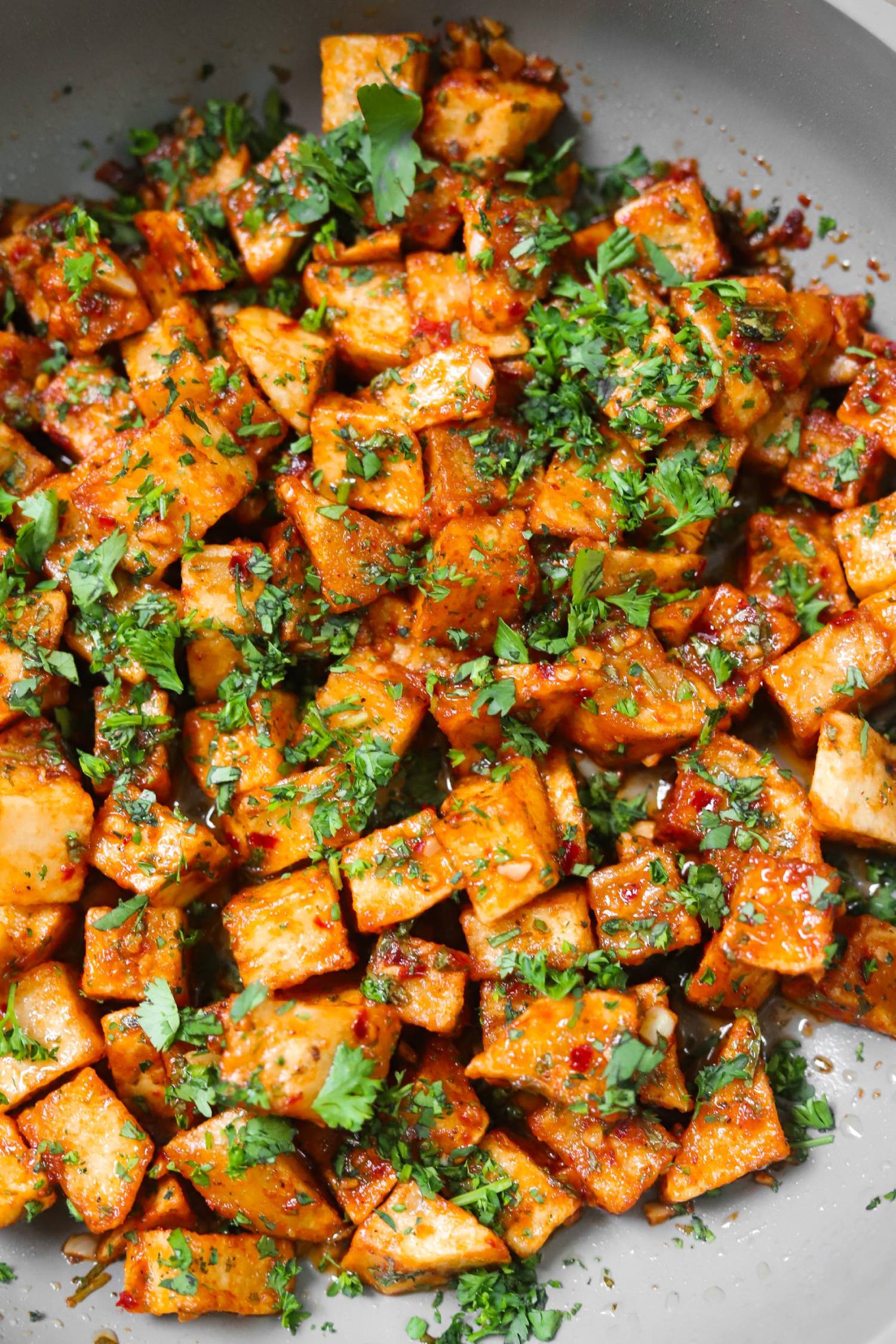 Easy
📜 Story
Easy
📜 Story
Batata Mbasla
Libyan Fried Onion Potatoes
Side dish, everyday meal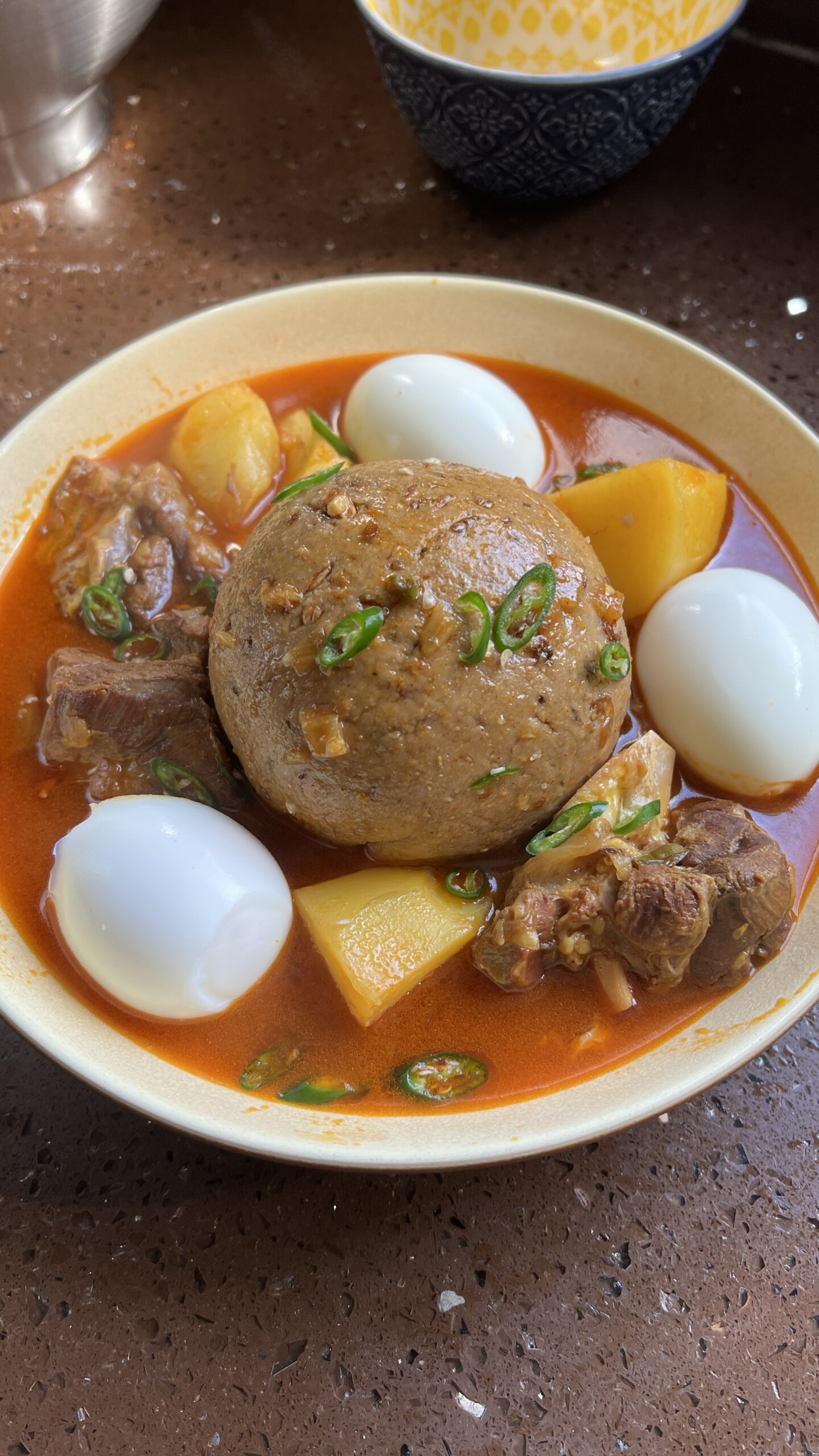 Hard
📜 Story
Hard
📜 Story
Bazeen
Barley Dome with Stew
Friday lunch, Eid celebrations Easy
📜 Story
Easy
📜 Story
Bsisa
Toasted Grain and Nut Powder
Breakfast, energy snack, Ramadan suhoor
Comments (0)
Log in to leave a comment.
No comments yet. Be the first to share your thoughts!