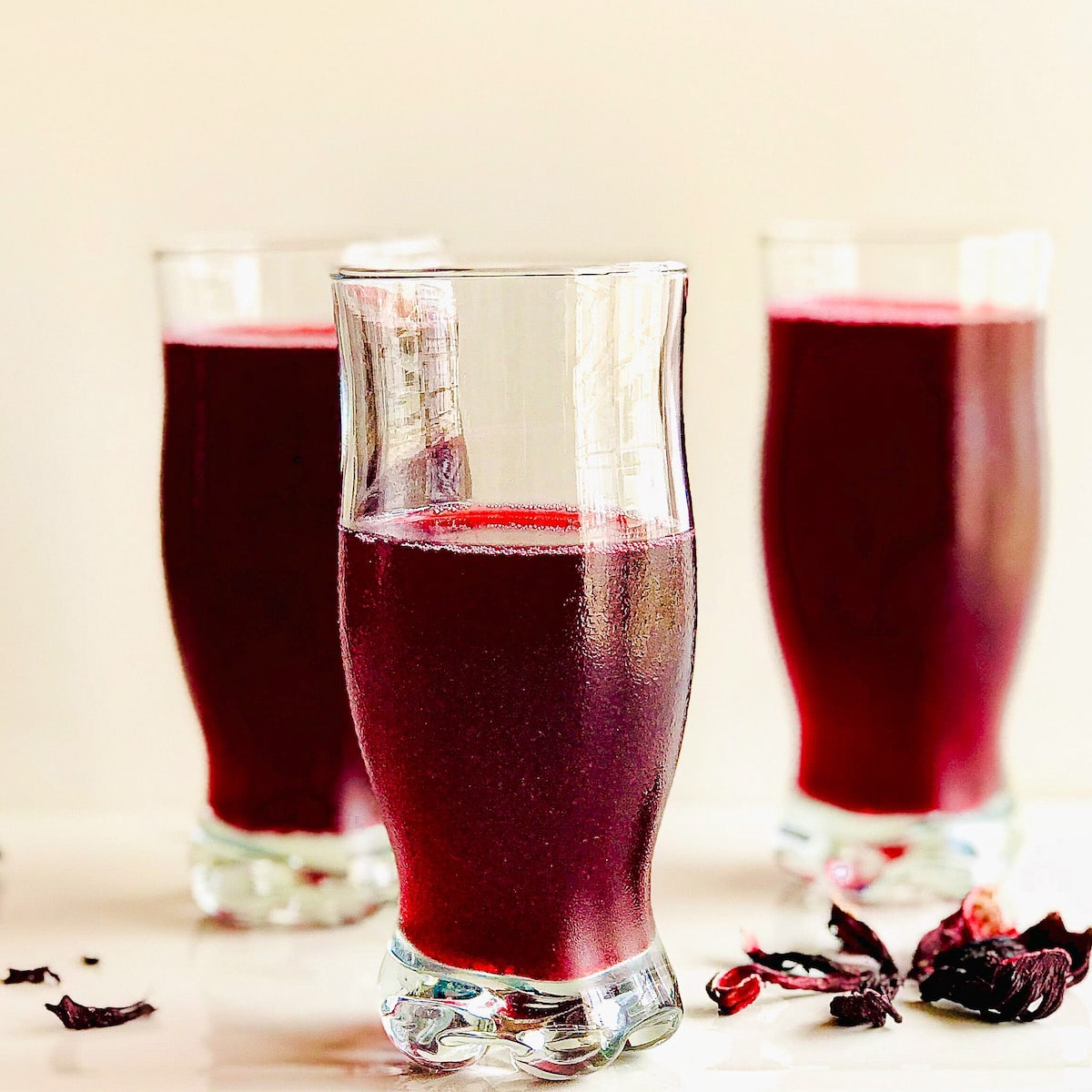
A strong, sweet tea brewed with loose-leaf red tea, fresh mint, and roasted peanuts, served in small glasses. This ritualistic Libyan tea is boiled three times for maximum flavor.
Nutrition & Info
Allergen Warnings
Equipment Needed
Presentation Guide
Vessel: small ornate tea glasses
Garnishes: roasted peanuts, mint sprig
Accompaniments: kaak cookies, magrood
Instructions
-
1
Add tea leaves and water to a small teapot. Bring to a boil over medium heat.
-
2
Once boiling, reduce heat and simmer for 5 minutes. The tea should become dark and strong.
-
3
Add sugar and stir. Return to a boil, then reduce heat again. Repeat this boiling process 3 times total.
-
4
Add fresh mint sprig in the last minute of brewing for a bright, herbaceous note.
-
5
Strain into small glasses. Drop a few roasted peanuts into each glass.
-
6
Serve immediately, pouring from a height to create a slight foam on top.
Did You Know?
In Libya, refusing tea is considered a serious social offense. The proper response to offered tea is always: "Yes, please, with extra sugar."
Chef's Notes
Equipment Tips
- small teapot
- small tea glasses
- tea strainer
Garnishing
roasted peanuts, mint sprig
Accompaniments
kaak cookies, magrood
The Story Behind Shay Libi
Libyan tea culture is among the most elaborate in North Africa, rivaling Moroccan tea traditions in ritual and importance. The triple-boiling method creates an intensely flavored brew that is uniquely Libyan. The addition of roasted peanuts floating in the glass is a distinctively Libyan touch found nowhere else in the tea-drinking world. Tea gatherings are the primary social institution of Libyan daily life, and the act of preparing and serving tea carries deep cultural significance, expressing hospitality, respect, and friendship.
More Libyan Dishes
 Easy
📜 Story
Easy
📜 Story
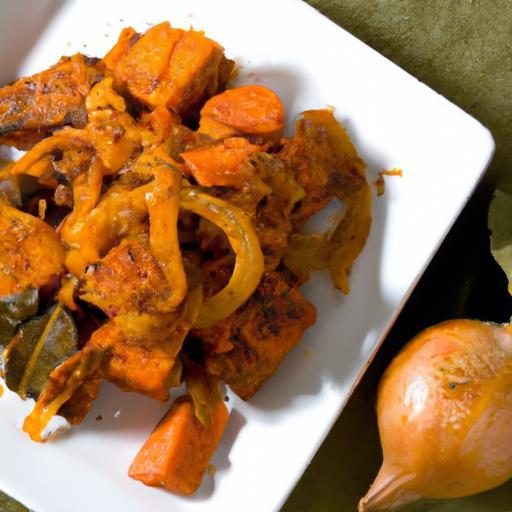
Asida
Sweet Wheat Porridge
Celebrations, new baby, breakfast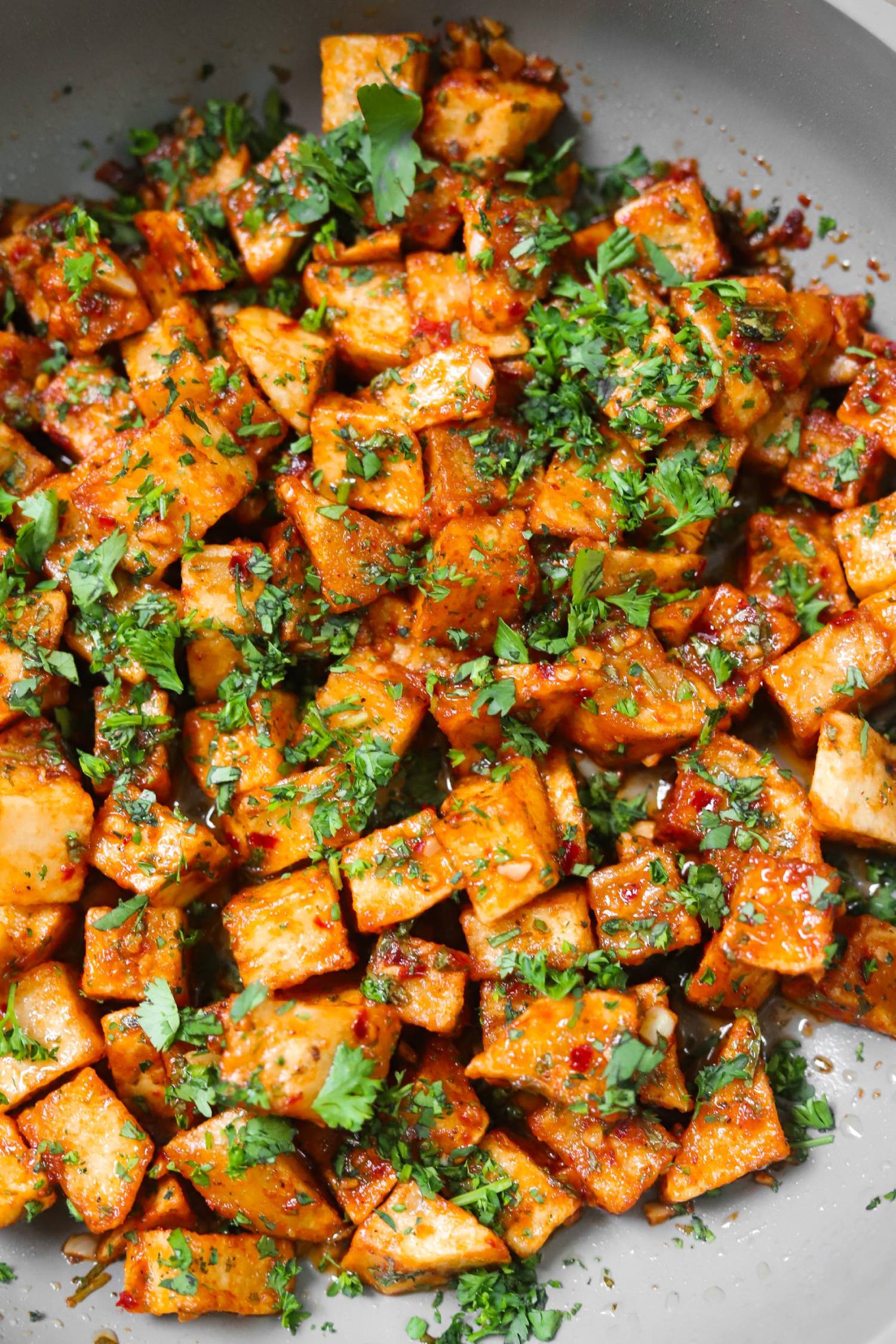 Easy
📜 Story
Easy
📜 Story
Batata Mbasla
Libyan Fried Onion Potatoes
Side dish, everyday meal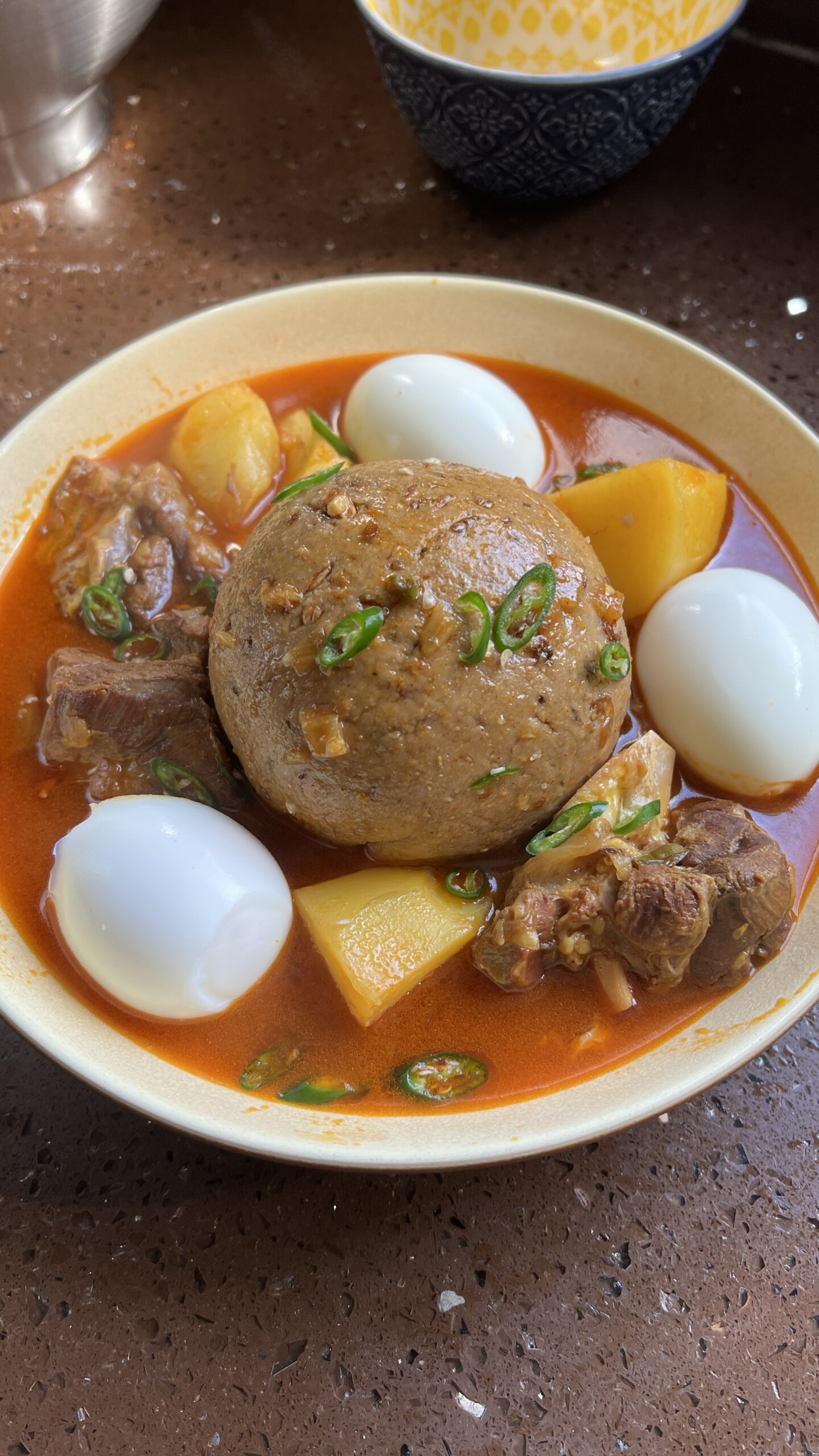 Hard
📜 Story
Hard
📜 Story
Bazeen
Barley Dome with Stew
Friday lunch, Eid celebrations Easy
📜 Story
Easy
📜 Story
Bsisa
Toasted Grain and Nut Powder
Breakfast, energy snack, Ramadan suhoor
Comments (0)
Log in to leave a comment.
No comments yet. Be the first to share your thoughts!