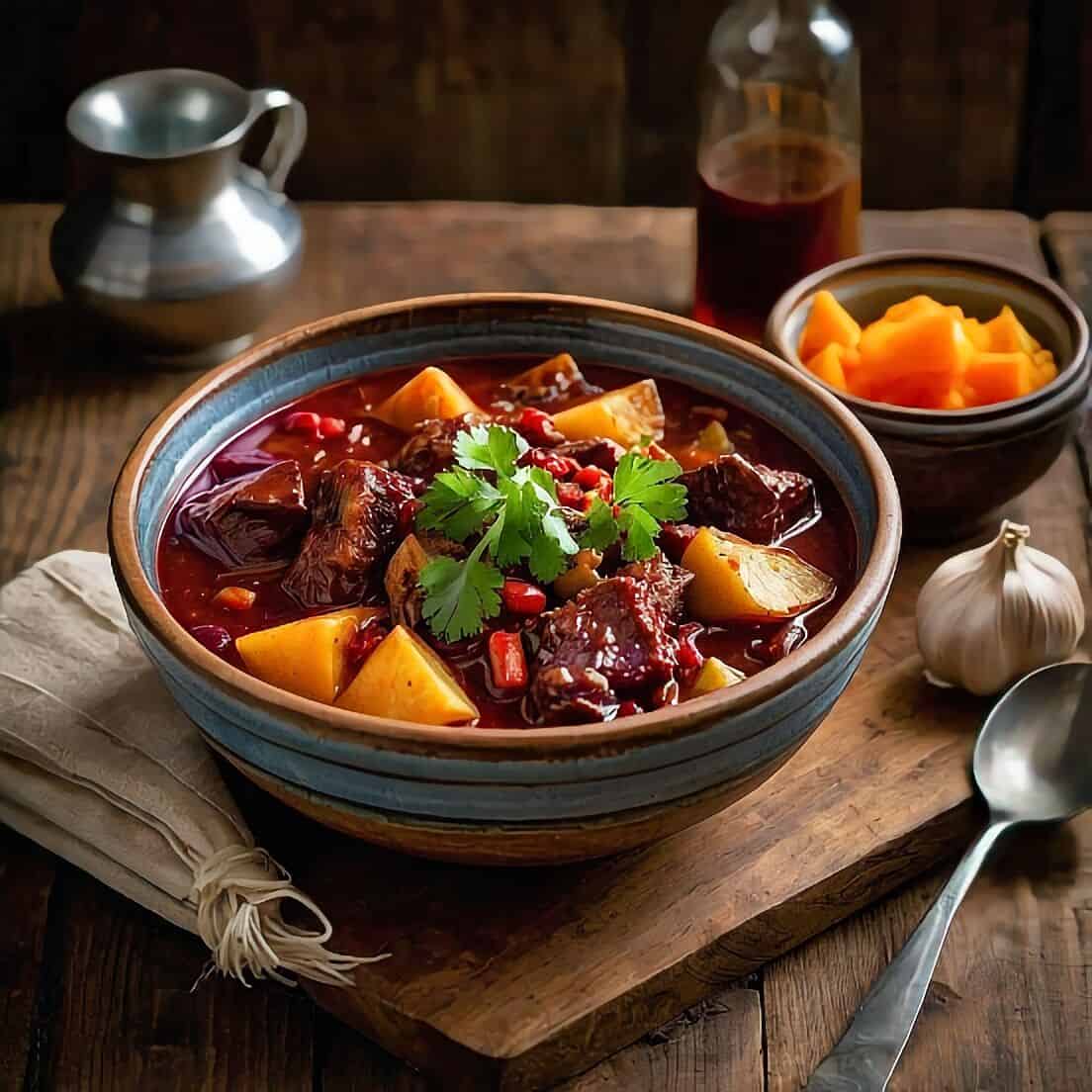
A warming, creamy chickpea soup seasoned with cumin, garlic, and a generous squeeze of lemon. This humble Libyan staple is both nutritious and deeply comforting.
Nutrition & Info
Equipment Needed
Presentation Guide
Vessel: deep bowl
Garnishes: cilantro, olive oil drizzle, lemon
Accompaniments: crusty bread
Instructions
-
1
Drain soaked chickpeas and place in a large pot with 6 cups of fresh water. Bring to a boil.
-
2
Reduce heat and simmer 30 minutes until chickpeas are very tender. Partially mash some for thickness.
-
3
In a separate pan, saute onion and garlic in olive oil. Add cumin, turmeric, and cayenne.
-
4
Add the sauteed onion mixture to the chickpea pot. Stir well and simmer 5 more minutes.
-
5
Add lemon juice, salt, and pepper. Adjust seasoning to taste.
-
6
Serve hot in bowls, garnished with fresh cilantro and a drizzle of olive oil.
Did You Know?
Lebia is so fundamental to Libyan cooking that the chickpea itself is called "lebia" in Libyan Arabic dialect.
Chef's Notes
Equipment Tips
- large pot
- immersion blender (optional)
- ladle
Garnishing
cilantro, olive oil drizzle, lemon
Accompaniments
crusty bread
The Story Behind Lebia
Chickpea soup has sustained North African populations since antiquity, and Libya's version, lebia, is among the most elemental. The dish requires nothing more than chickpeas, oil, and spice, making it accessible to all economic classes. During lean times and conflicts, lebia has been the fall-back meal that kept families fed. Its simplicity is its strength, and the generous lemon finish brightens what could otherwise be a heavy, monotonous soup into something genuinely delicious.
More Libyan Dishes
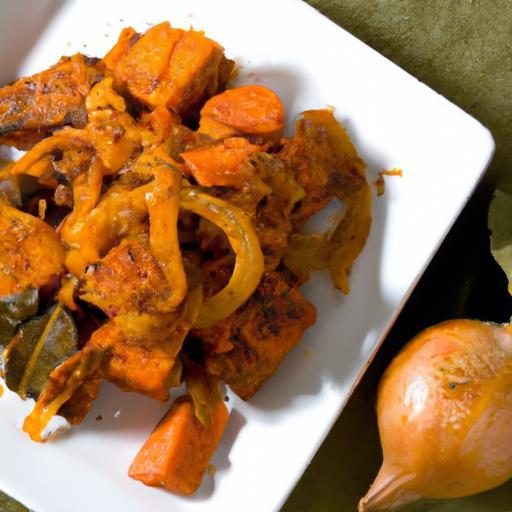 Easy
📜 Story
Easy
📜 Story
Asida
Sweet Wheat Porridge
Celebrations, new baby, breakfast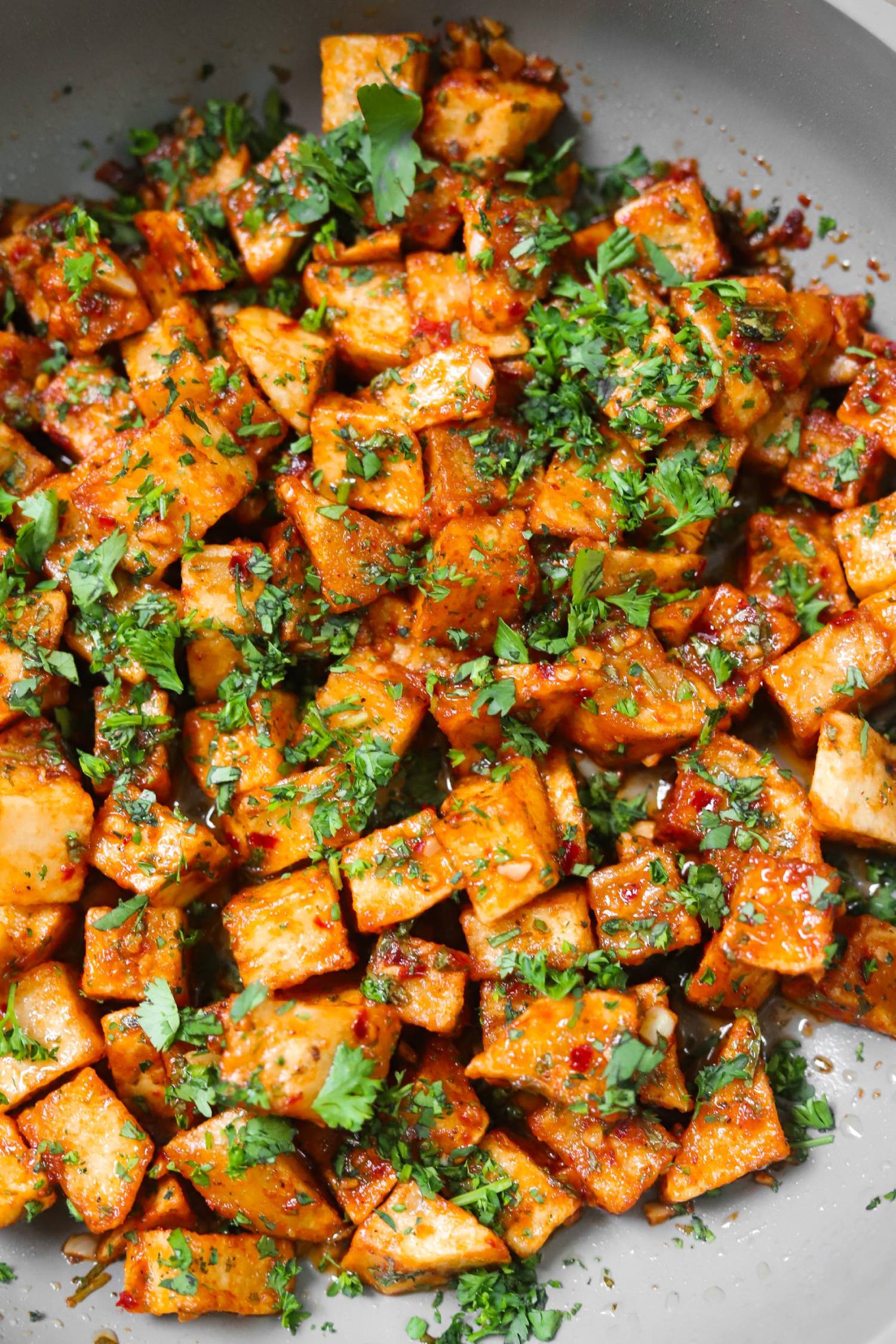 Easy
📜 Story
Easy
📜 Story
Batata Mbasla
Libyan Fried Onion Potatoes
Side dish, everyday meal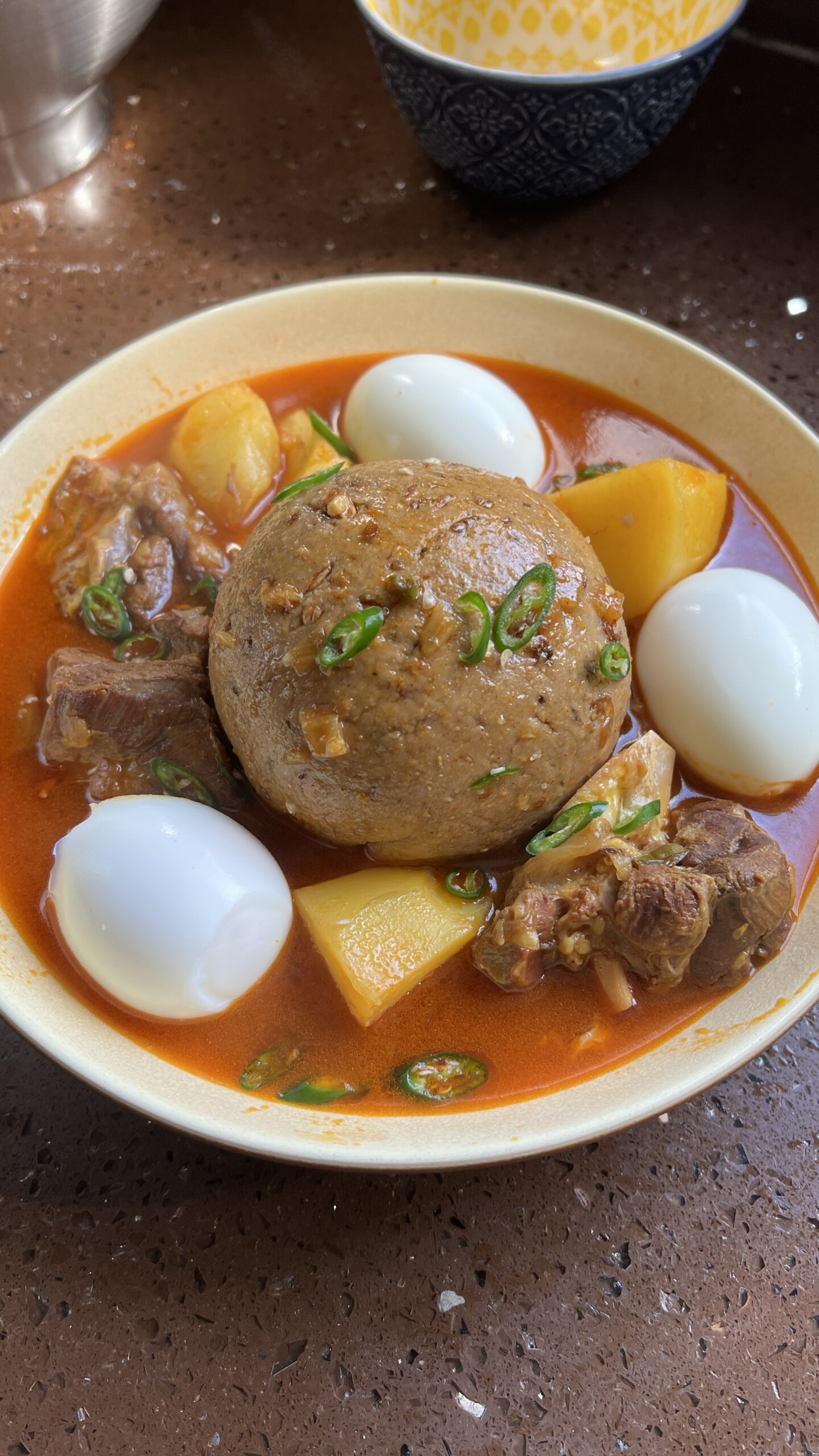 Hard
📜 Story
Hard
📜 Story
Bazeen
Barley Dome with Stew
Friday lunch, Eid celebrations Easy
📜 Story
Easy
📜 Story
Bsisa
Toasted Grain and Nut Powder
Breakfast, energy snack, Ramadan suhoor
Comments (0)
Log in to leave a comment.
No comments yet. Be the first to share your thoughts!