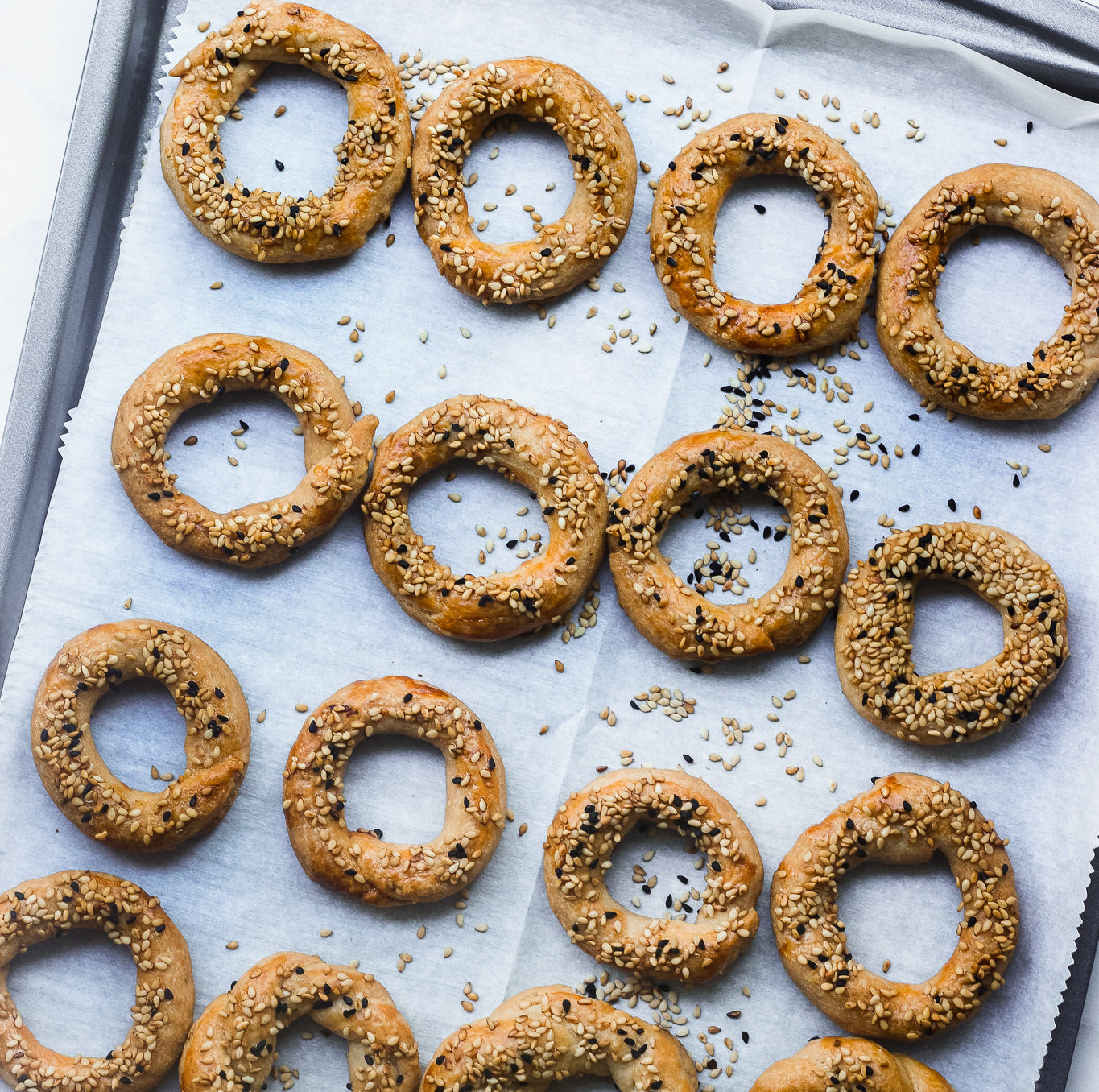
Crisp, ring-shaped cookies coated in sesame seeds with a subtle anise flavor. These traditional Libyan tea cookies are the perfect crunchy companion to a glass of sweet mint tea.
Nutrition & Info
Allergen Warnings
Equipment Needed
Presentation Guide
Vessel: cookie platter
Garnishes: sesame seeds
Accompaniments: Libyan mint tea
Instructions
-
1
Mix flour, sugar, baking powder, ground anise, mahlab, and salt in a bowl.
-
2
Add melted butter and oil, rubbing into the flour until it resembles breadcrumbs.
-
3
Add warm water gradually until a firm, smooth dough forms. Rest 10 minutes.
-
4
Pinch off walnut-sized pieces, roll into ropes about 12cm long, and join ends to form rings.
-
5
Brush with egg wash and roll in sesame seeds until fully coated on all sides.
-
6
Bake at 180C for 18-20 minutes until golden and firm. Cool completely before serving.
Did You Know?
Libyan kaak are baked in such enormous batches during holidays that families store them in pillowcases, and they stay crisp for weeks.
Chef's Notes
Equipment Tips
- mixing bowl
- baking sheet
- shallow plate
Garnishing
sesame seeds
Accompaniments
Libyan mint tea
The Story Behind Kaak
Kaak are among the most ancient cookie traditions in the Mediterranean and North African world. In Libya, these sesame-crusted rings are inseparable from tea culture, always present in the cookie jar and offered to every guest who crosses the threshold. The anise flavor distinguishes Libyan kaak from other regional versions, and the sesame coating provides both flavor and a satisfying crunch. During Eid and other holidays, industrial quantities are baked and distributed to neighbors, reinforcing community bonds.
More Libyan Dishes
 Easy
📜 Story
Easy
📜 Story
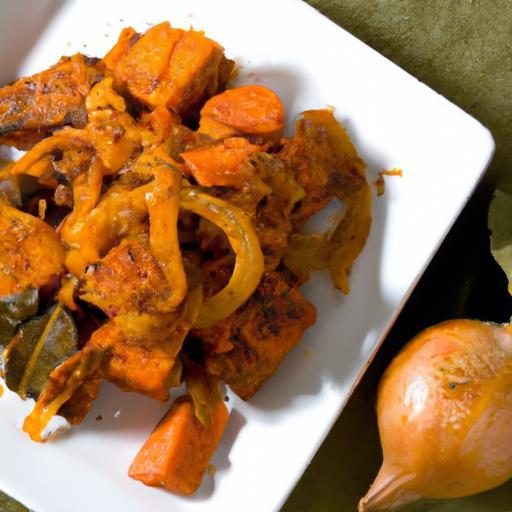
Asida
Sweet Wheat Porridge
Celebrations, new baby, breakfast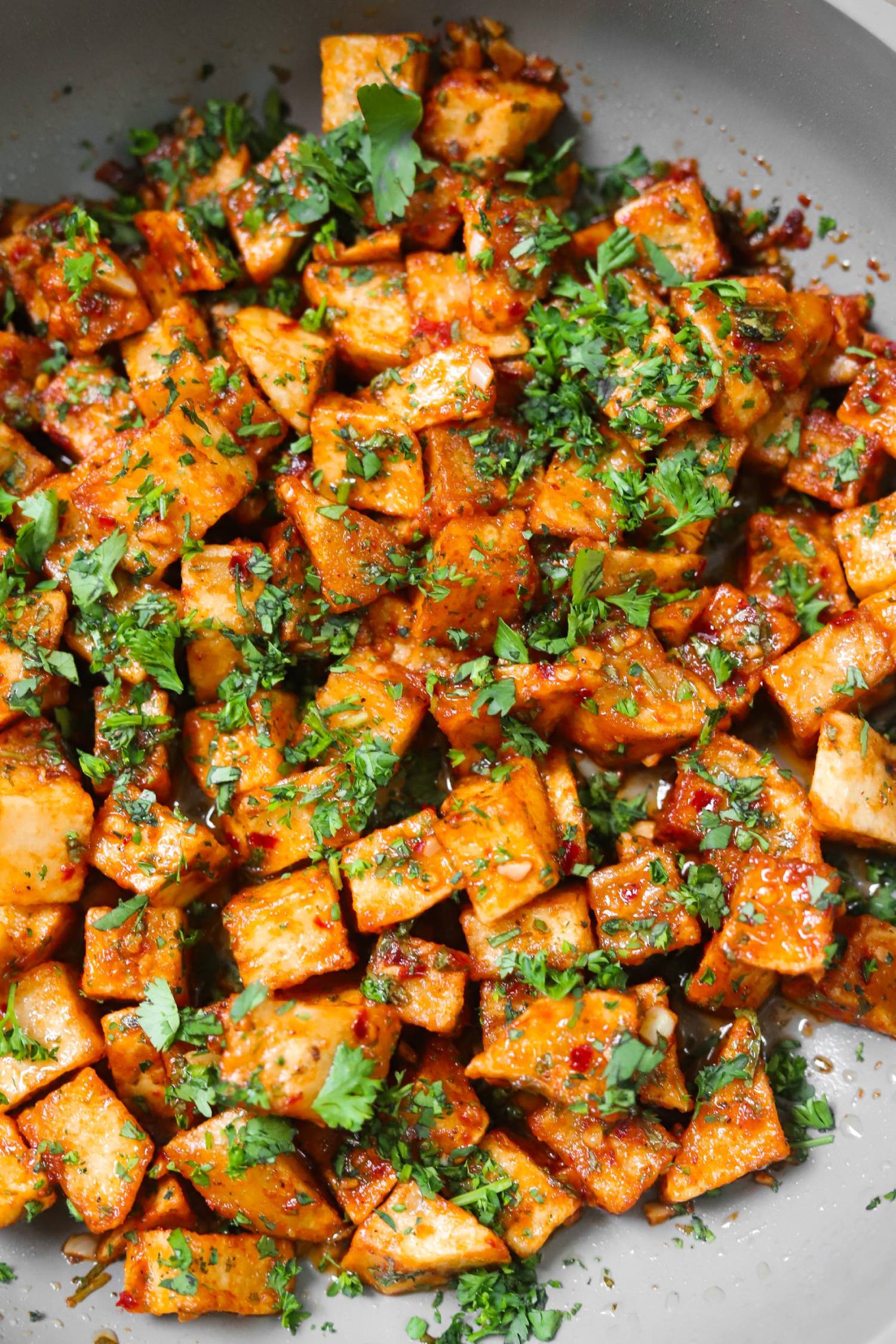 Easy
📜 Story
Easy
📜 Story
Batata Mbasla
Libyan Fried Onion Potatoes
Side dish, everyday meal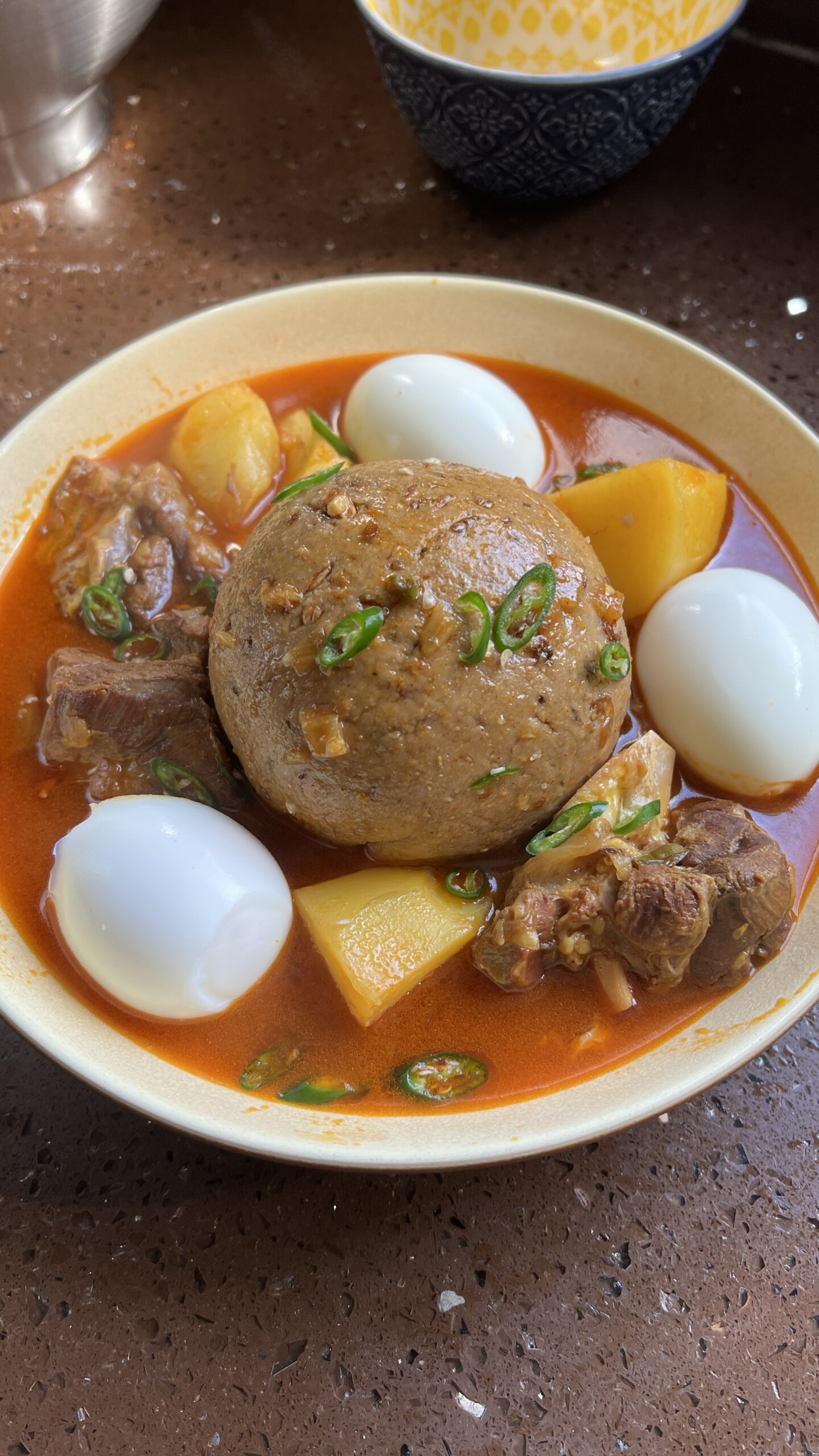 Hard
📜 Story
Hard
📜 Story
Bazeen
Barley Dome with Stew
Friday lunch, Eid celebrations Easy
📜 Story
Easy
📜 Story
Bsisa
Toasted Grain and Nut Powder
Breakfast, energy snack, Ramadan suhoor
Comments (0)
Log in to leave a comment.
No comments yet. Be the first to share your thoughts!