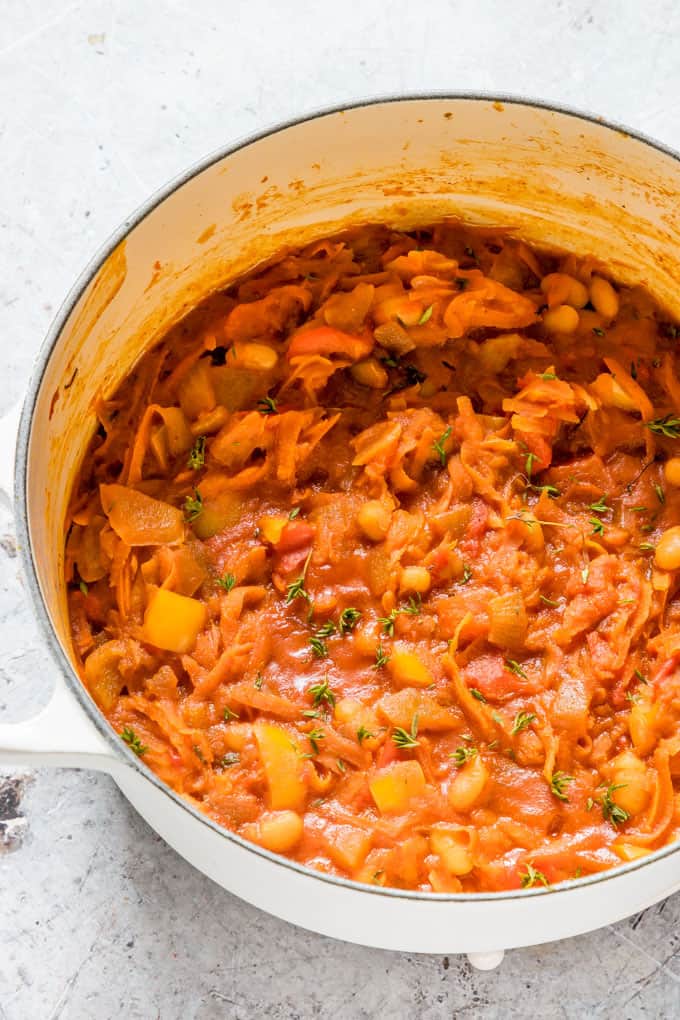
Harissa Helwa
هريسة حلوة (hah-REE-sah HEL-wah)
Libyan Sweet Harissa Cake
A dense, moist semolina cake soaked in honey syrup and studded with almonds. Not to be confused with the chili paste, this Libyan harissa is a beloved sweet treat.
Instructions
-
1
Mix semolina, sugar, yogurt, melted butter, baking powder, and vanilla until smooth. Rest 20 minutes.
-
2
Make syrup by boiling sugar, water, and lemon juice for 8 minutes. Add orange blossom water and cool.
-
3
Spread batter evenly in a greased 9x13 pan. Score into diamond shapes.
-
4
Press one whole almond into the center of each diamond piece.
-
5
Bake at 180C for 30-35 minutes until deep golden on top.
-
6
Pour cold syrup over hot cake immediately. Let absorb 1 hour before serving.
Did You Know?
When Libyans say "harissa," context is everything. Say it at a bakery and you get sweet cake; say it at a condiment shop and you get fiery chili paste.
The Story Behind Harissa Helwa
Harissa helwa belongs to the vast Ottoman-era family of syrup-soaked semolina cakes found across North Africa and the Middle East. In Libya, it is particularly associated with the celebration of Mawlid al-Nabi, the Prophet's birthday, when bakeries produce it in enormous quantities. The Libyan version is denser than Egyptian basbousa and less sweet than Turkish revani, striking a balance that has made it the definitive Libyan celebration cake for generations.
More Libyan Dishes
 Easy
📜 Story
Easy
📜 Story
Asida
Sweet Wheat Porridge
Celebrations, new baby, breakfast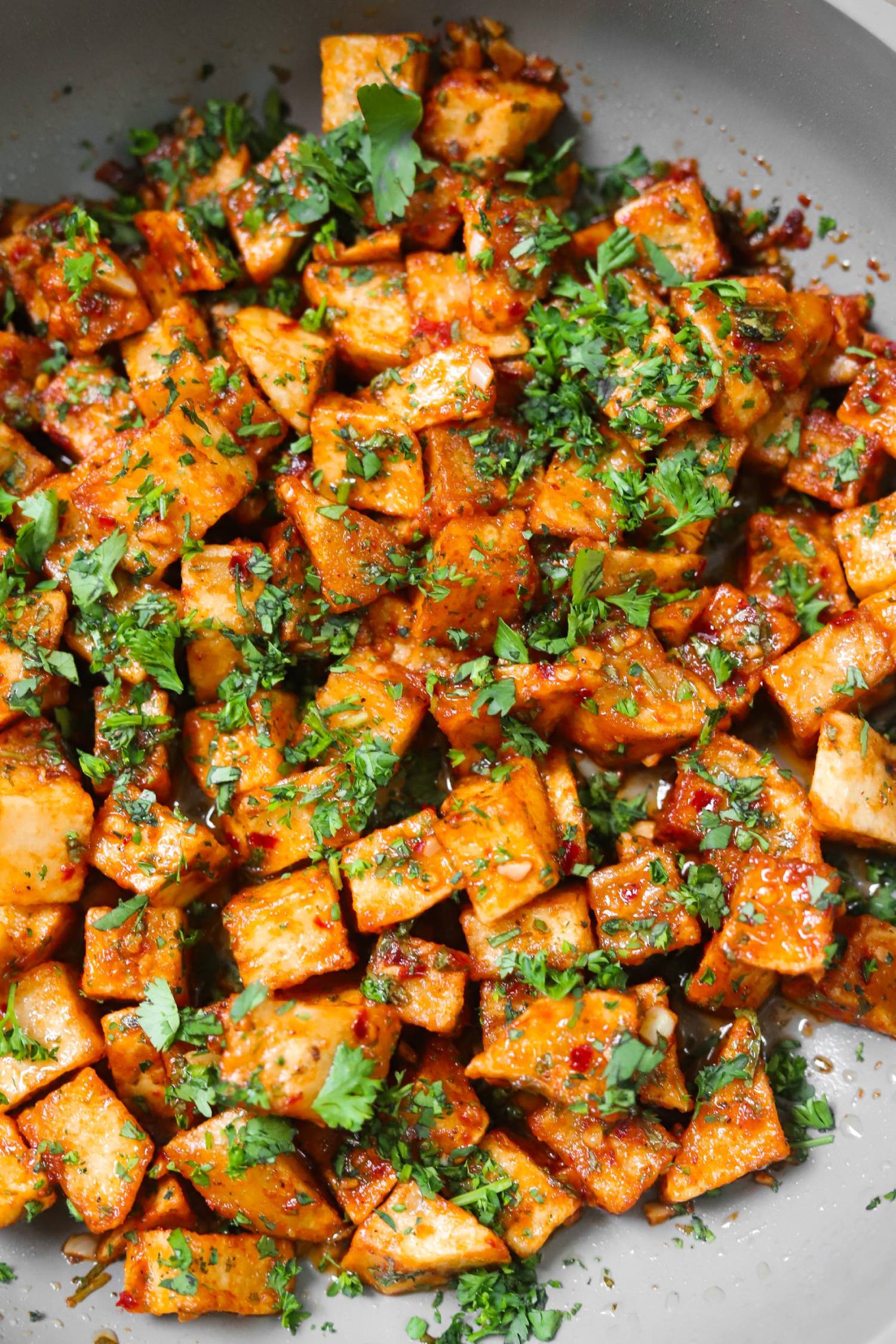 Easy
📜 Story
Easy
📜 Story
Batata Mbasla
Libyan Fried Onion Potatoes
Side dish, everyday meal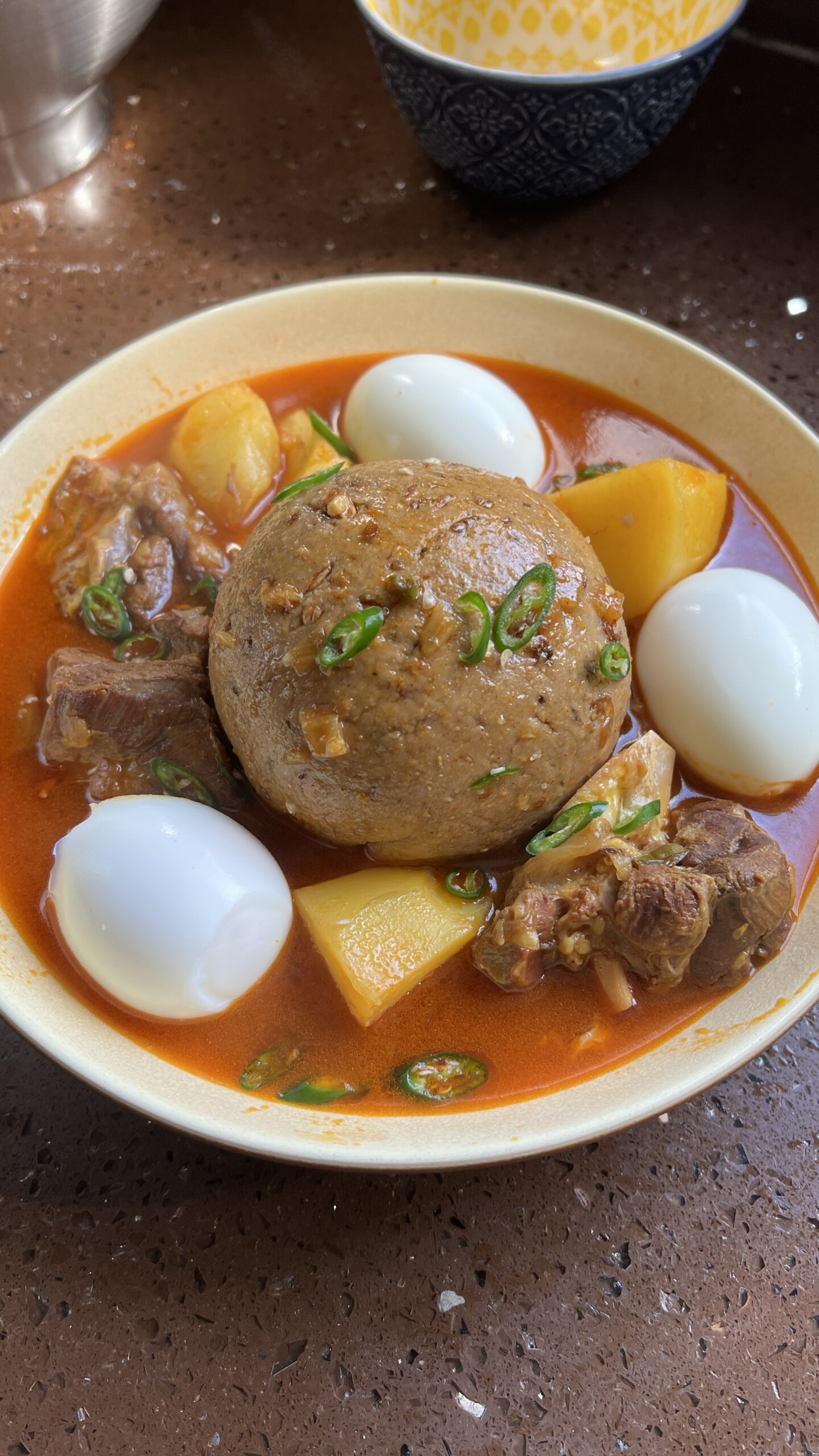 Hard
📜 Story
Hard
📜 Story
Bazeen
Barley Dome with Stew
Friday lunch, Eid celebrations Easy
📜 Story
Easy
📜 Story
Bsisa
Toasted Grain and Nut Powder
Breakfast, energy snack, Ramadan suhoor
Comments (0)
Log in to leave a comment.
No comments yet. Be the first to share your thoughts!