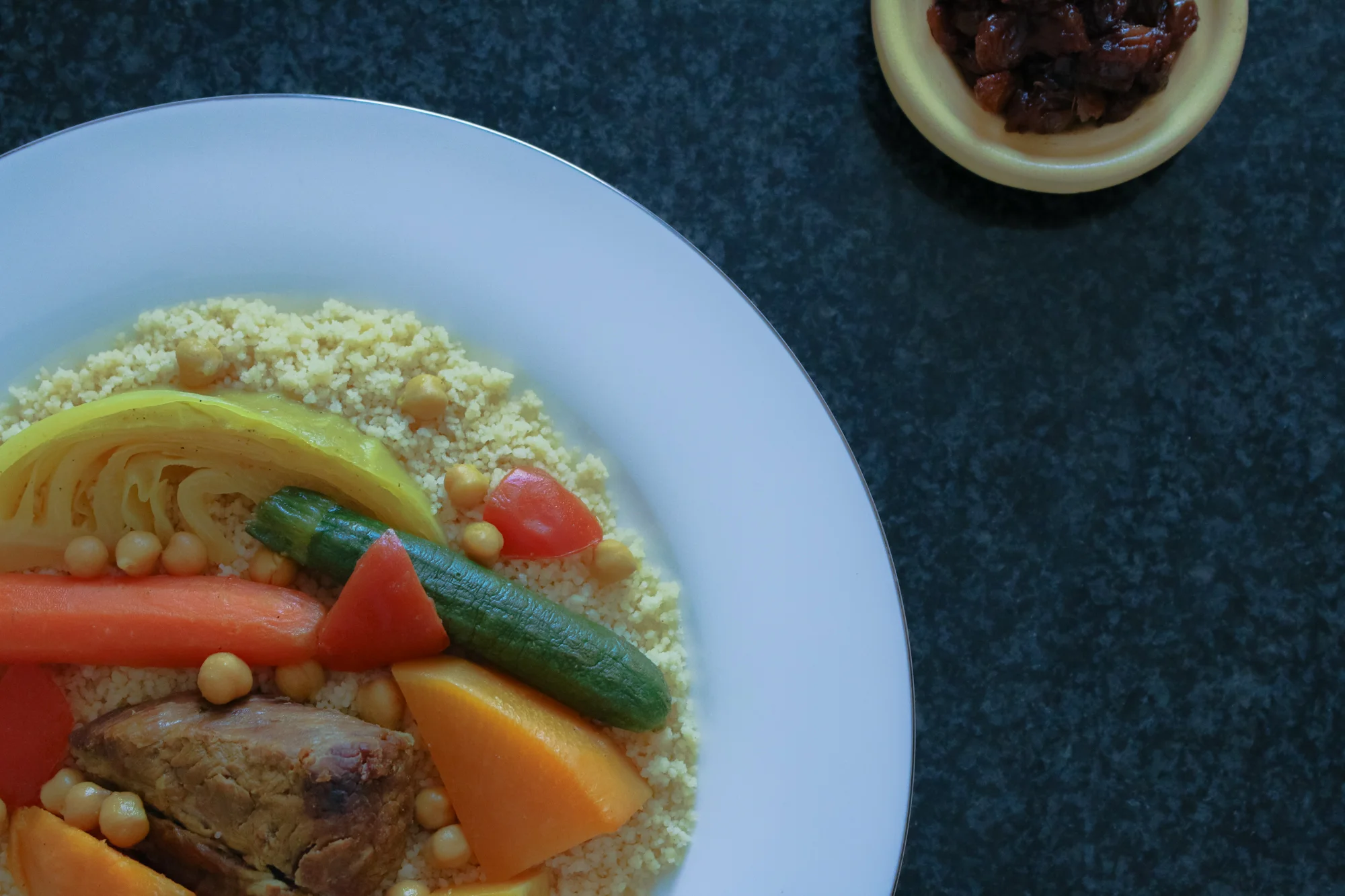
Couscous bil Bosla
كسكسي بالبصلة (KOOS-koo-see bil BOS-lah)
Libyan Couscous with Lamb and Vegetables
Steamed semolina couscous crowned with a rich lamb and vegetable stew featuring chickpeas, potatoes, and pumpkin. This is the Friday staple of Libyan family tables.
Nutrition & Info
Allergen Warnings
Equipment Needed
Presentation Guide
Vessel: large round communal platter
Garnishes: chickpeas, pumpkin wedges
Accompaniments: harissa, pickled vegetables
Instructions
-
1
Brown lamb cubes in olive oil in a large pot. Add onions and cook until soft. Stir in tomato paste, turmeric, paprika, cayenne, and bzaar.
-
2
Add water to cover, bring to a boil, reduce heat, and simmer 45 minutes until lamb is tender.
-
3
Add potatoes, pumpkin, and chickpeas. Cook 20 more minutes until vegetables are soft.
-
4
Meanwhile, moisten couscous with salted water and steam in a couscoussier over the stew for 20 minutes, fluffing twice.
-
5
Mound couscous on a large platter, make a well in the center, and ladle stew, meat, and vegetables into it.
-
6
Serve family-style with harissa on the side for those who want extra heat.
Did You Know?
In Libya, couscous is so central to identity that the saying goes: "A home without couscous on Friday is not a Libyan home."
Chef's Notes
Equipment Tips
- couscoussier or steamer
- large pot
- mixing bowl
Garnishing
chickpeas, pumpkin wedges
Accompaniments
harissa, pickled vegetables
The Story Behind Couscous bil Bosla
Libyan couscous traces its roots to the Amazigh people of North Africa, predating Arab conquest. Unlike Moroccan couscous which uses fine grains, Libyan couscous employs a medium grain that absorbs the bold, spiced lamb broth more heartily. The Friday couscous ritual is sacred in Libyan culture, bringing extended families together weekly. The dish survived Italian colonization and political upheaval, remaining the unshakeable cornerstone of Libyan culinary identity.
More Libyan Dishes
 Easy
📜 Story
Easy
📜 Story
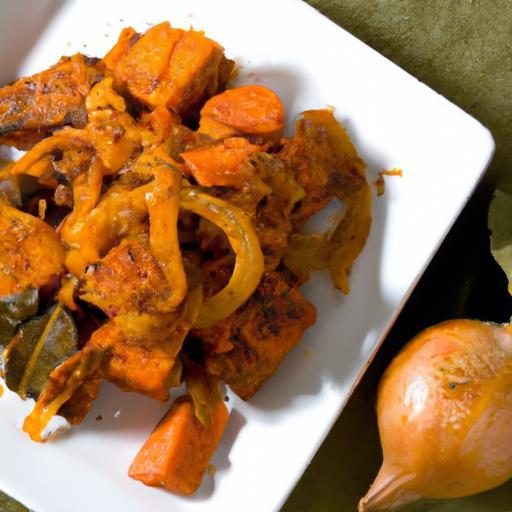
Asida
Sweet Wheat Porridge
Celebrations, new baby, breakfast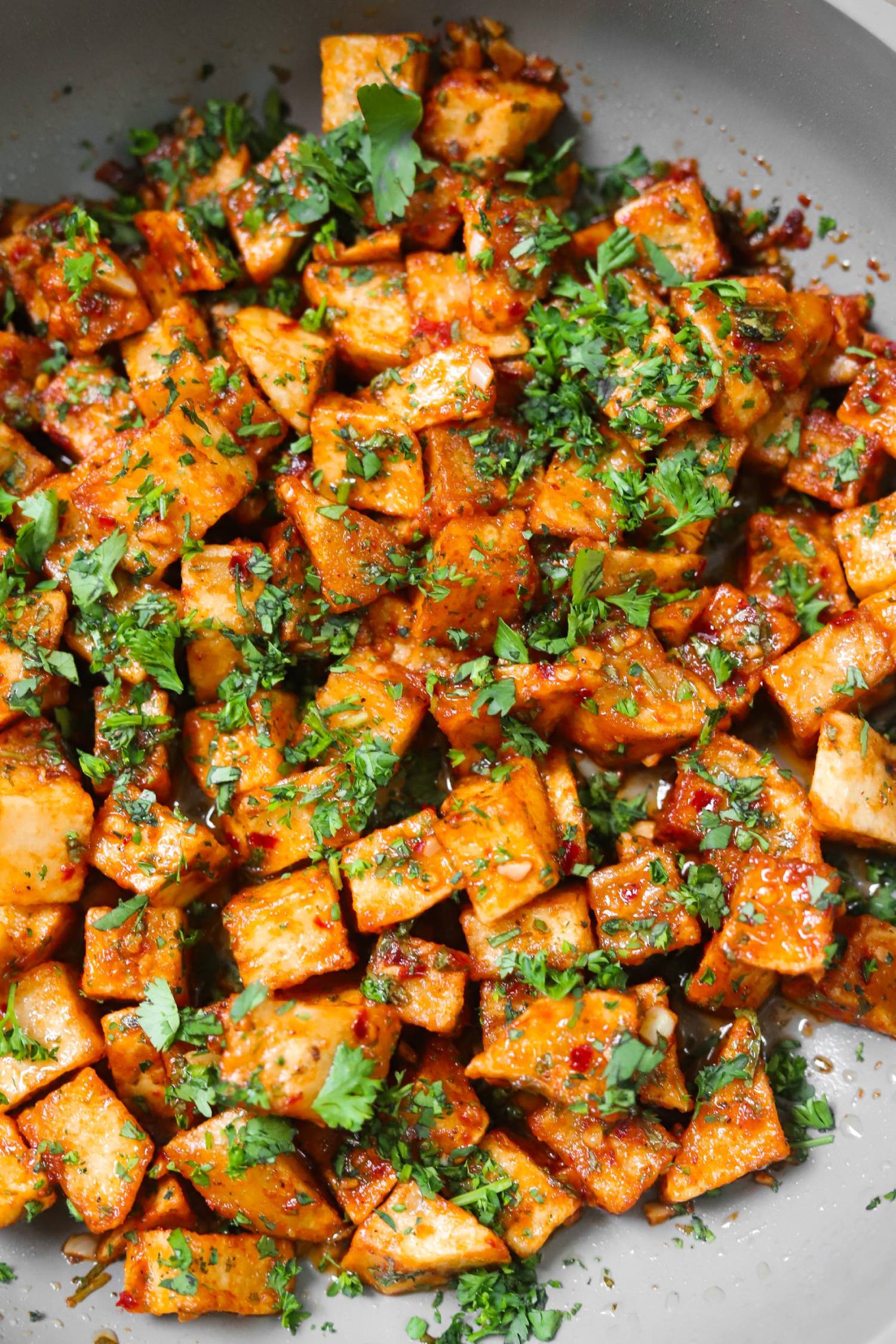 Easy
📜 Story
Easy
📜 Story
Batata Mbasla
Libyan Fried Onion Potatoes
Side dish, everyday meal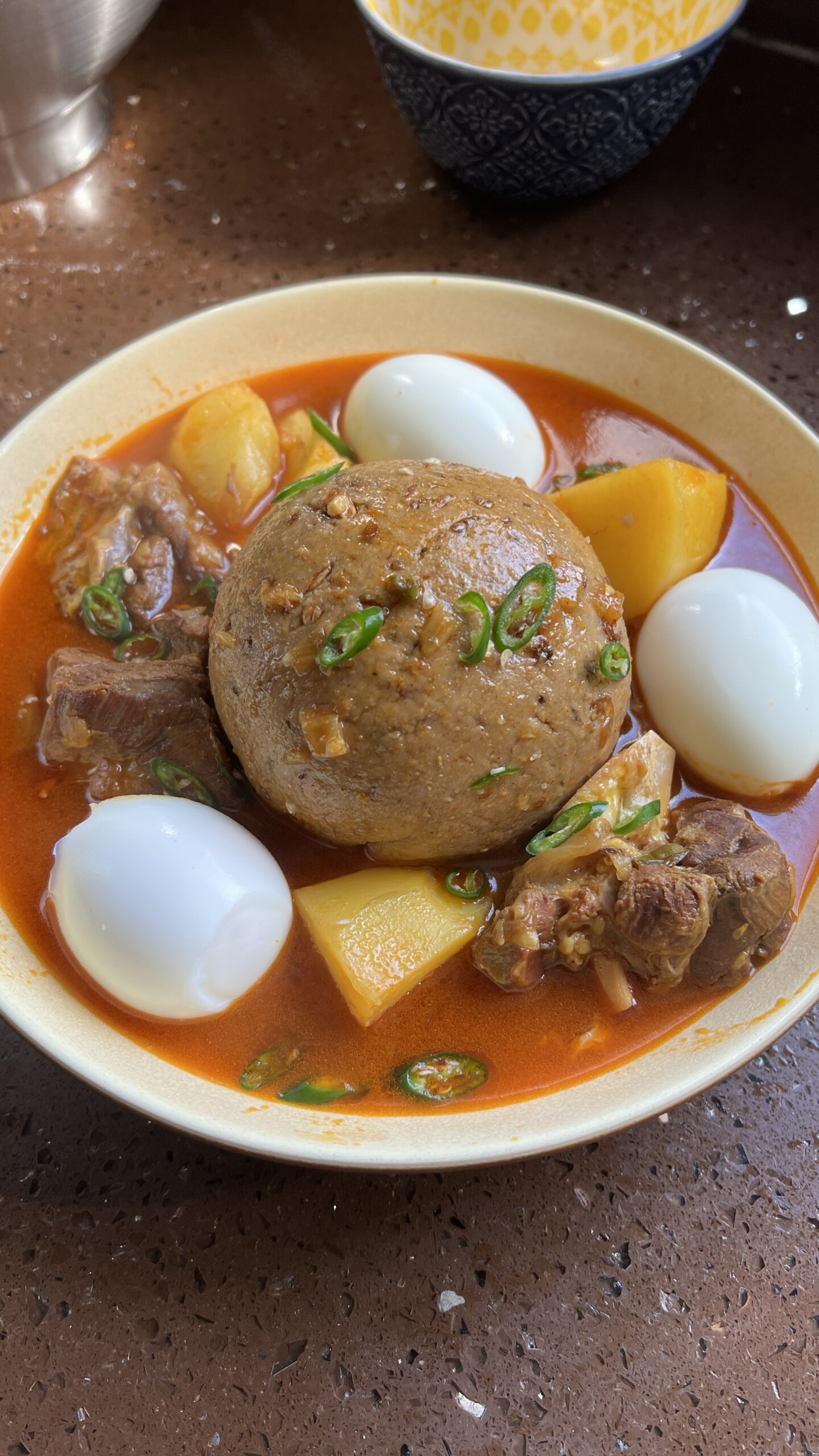 Hard
📜 Story
Hard
📜 Story
Bazeen
Barley Dome with Stew
Friday lunch, Eid celebrations Easy
📜 Story
Easy
📜 Story
Bsisa
Toasted Grain and Nut Powder
Breakfast, energy snack, Ramadan suhoor
Comments (0)
Log in to leave a comment.
No comments yet. Be the first to share your thoughts!