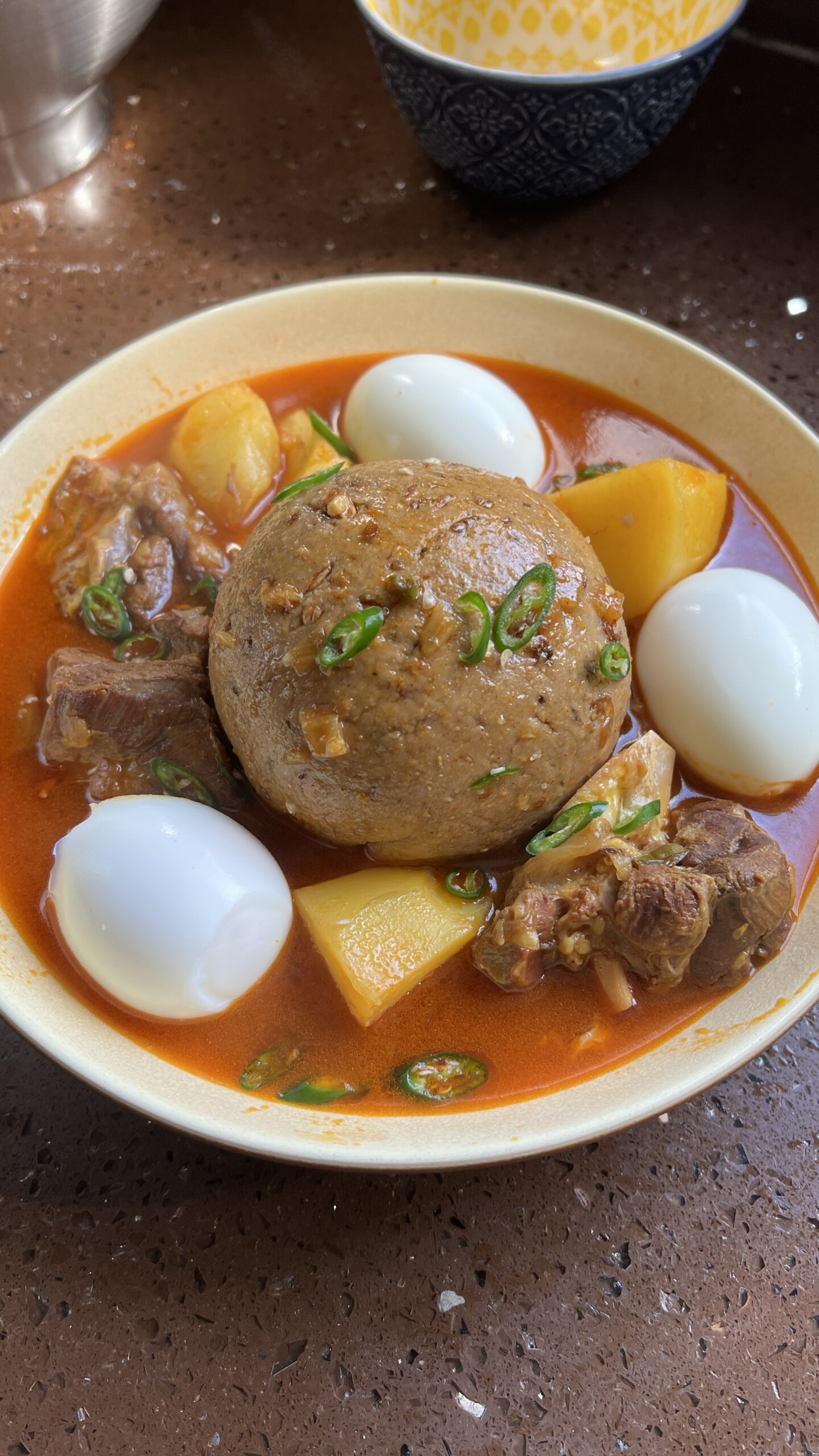
A smooth dome-shaped barley dough served with rich lamb and potato stew, topped with hard-boiled eggs. Libya's most iconic communal dish.
Nutrition & Info
Allergen Warnings
Equipment Needed
Presentation Guide
Vessel: large communal deep plate, dome of dough in stew
Garnishes: hard-boiled eggs, turmeric-stained potatoes
Accompaniments: lamb and vegetable stew
Instructions
-
1
Heat the olive oil in a large pot over medium-high heat, add the lamb cubes and brown them on all sides for about five minutes. Add the diced onions and cook until softened and lightly golden.
-
2
Stir in the tomato paste, turmeric, cayenne pepper, and fenugreek, cooking for two minutes until the spices are fragrant. Add enough water to cover the meat generously, then bring to a boil.
-
3
Reduce the heat to low, cover the pot, and simmer the lamb stew for forty-five minutes until the meat is very tender. Add the quartered potatoes during the last twenty minutes of cooking.
-
4
While the stew simmers, combine the barley flour and wheat flour with a generous pinch of salt in a large heatproof bowl. Gradually pour in boiling water while stirring vigorously with a sturdy wooden spoon.
-
5
Continue adding boiling water and stirring forcefully until the mixture forms an extremely stiff, smooth, and cohesive dough. This requires significant effort and the dough should be very hot throughout the process.
-
6
Shape the hot dough into a smooth dome on a large round serving platter by pressing with oiled palms and rotating in circular motions until the surface is even and the edges flare gently outward.
-
7
Ladle the tomato lamb stew around the base of the bazeen dome, arranging the meat pieces, potato quarters, and peeled hard-boiled eggs attractively around the edges of the platter.
-
8
Pour additional broth over the dome to moisten the surface. Serve immediately with fresh chillies and lemon wedges on the side, eating communally by pinching off pieces of dough by hand.
Did You Know?
Bazeen is traditionally eaten communally from a shared platter using only the right hand.
Chef's Notes
Equipment Tips
- large pot
- wooden spoon
- deep serving platter
Garnishing
hard-boiled eggs, turmeric-stained potatoes
Accompaniments
lamb and vegetable stew
The Story Behind Bazeen
The Story: Bazeen is Libya's most ancient and revered dish, a dense dome of unleavened barley or wheat flour dough cooked in a rich lamb and tomato stew flavored with turmeric, fenugreek, and bzaar spices. The dough is formed into a smooth, firm mound placed at the center of a communal platter, surrounded by the stew, hard-boiled eggs, and boiled potatoes. Diners tear off pieces of the dense dough and dip them into the surrounding broth. The dish traces its origins to the Amazigh peoples of the Libyan interior, where barley was the dominant grain long before wheat cultivation became widespread.
On the Calendar: Bazeen is the quintessential Friday lunch dish and the centerpiece of Eid celebrations, weddings, and important family gatherings. It is considered the truest expression of Libyan identity and is often the dish that homesick Libyans abroad crave most intensely.
Then & Now: The preparation method has remained largely unchanged for centuries. While younger urban Libyans may eat bazeen less frequently than their grandparents did, it retains unshakeable cultural significance. Diaspora communities maintain the tradition, and bazeen-making gatherings serve as important cultural anchors for displaced families.
Legacy: Bazeen is Libya's culinary soul, a dish that demands communal eating and rewards patience, connecting modern Libyans to their Amazigh ancestors through every dense, satisfying bite.
More Libyan Dishes
 Easy
📜 Story
Easy
📜 Story
Asida
Sweet Wheat Porridge
Celebrations, new baby, breakfast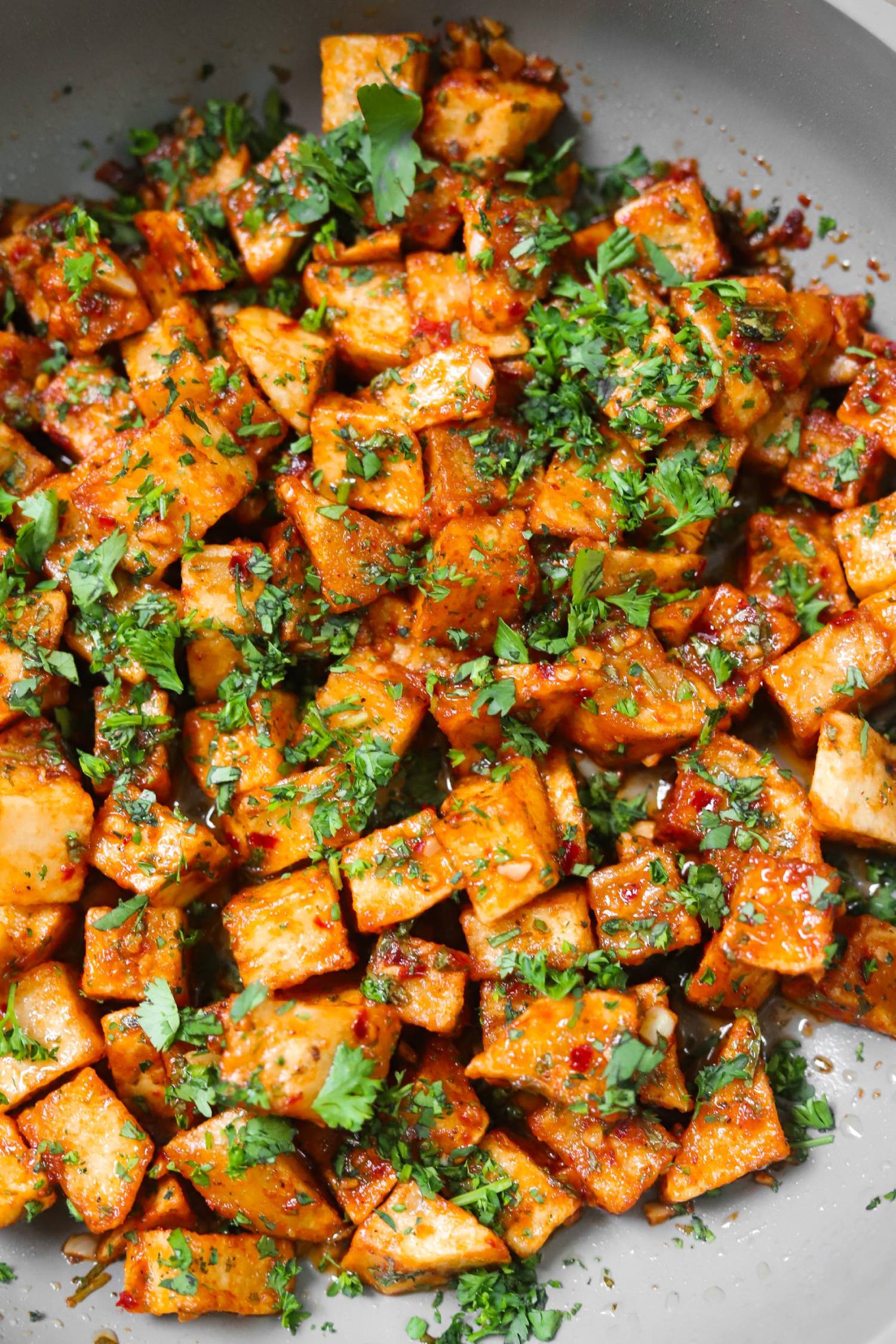 Easy
📜 Story
Easy
📜 Story
Batata Mbasla
Libyan Fried Onion Potatoes
Side dish, everyday meal Easy
📜 Story
Easy
📜 Story
Bsisa
Toasted Grain and Nut Powder
Breakfast, energy snack, Ramadan suhoor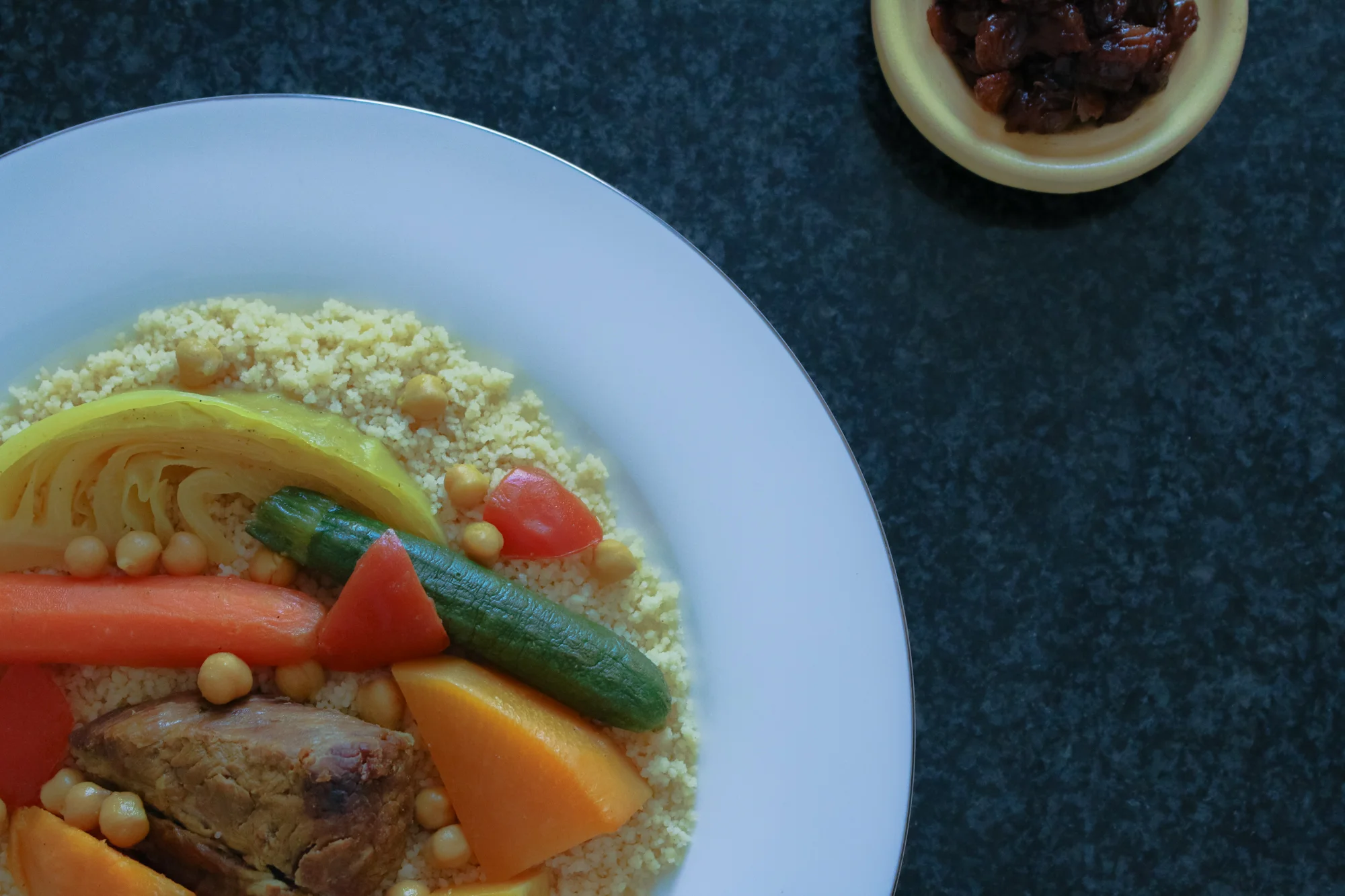 Medium
📜 Story
Medium
📜 Story
Couscous bil Bosla
Libyan Couscous with Lamb and Vegetables
Friday lunch
Comments (0)
Log in to leave a comment.
No comments yet. Be the first to share your thoughts!