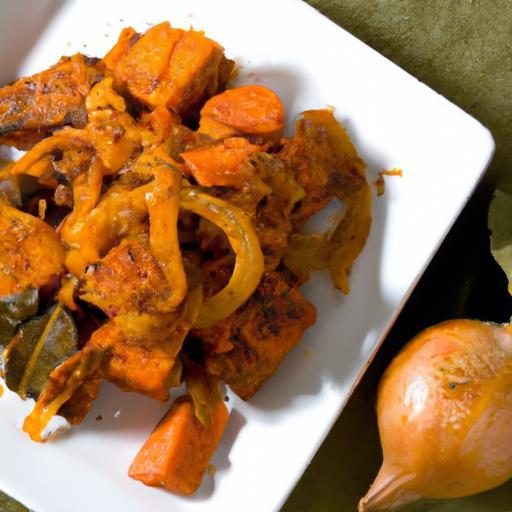
A smooth dome of cooked wheat flour drenched in date syrup and melted butter, eaten communally by hand. This ancient Libyan comfort food is pure, elemental sustenance.
Nutrition & Info
Allergen Warnings
Equipment Needed
Presentation Guide
Vessel: round plate with dome shape
Garnishes: date syrup drizzle, melted butter pool
Accompaniments: honey
Instructions
-
1
Bring water with a pinch of salt to a rolling boil in a heavy-bottomed pot.
-
2
Add flour gradually while stirring vigorously and continuously with a wooden spoon to prevent lumps.
-
3
Keep stirring over medium heat for 10-15 minutes until the mixture is very thick, smooth, and pulls away from the pot sides.
-
4
Shape into a smooth dome on a round plate using an oiled spoon, pressing the surface until even.
-
5
Make a well in the center of the dome and pour in melted butter, then drizzle date syrup generously over the entire surface.
-
6
Serve warm immediately, eating communally by pinching off pieces and dipping into the pooled butter and syrup.
Did You Know?
Asida is the first food offered to a new mother in Libya, believed to restore her strength and bring good fortune to the newborn.
Chef's Notes
Equipment Tips
- heavy pot
- wooden spoon
- round plate
Garnishing
date syrup drizzle, melted butter pool
Accompaniments
The Story Behind Asida
Asida is one of the oldest continuously eaten dishes in North Africa, predating recorded history. In Libya, it occupies a sacred place in life celebrations: births, circumcisions, and religious holidays all demand asida. The dish connects modern Libyans to their nomadic ancestors who relied on simple flour-and-water preparations. Its communal eating style reinforces family bonds, and the act of shaping the dome is considered an art passed from mother to daughter.
More Libyan Dishes
 Easy
📜 Story
Easy
📜 Story
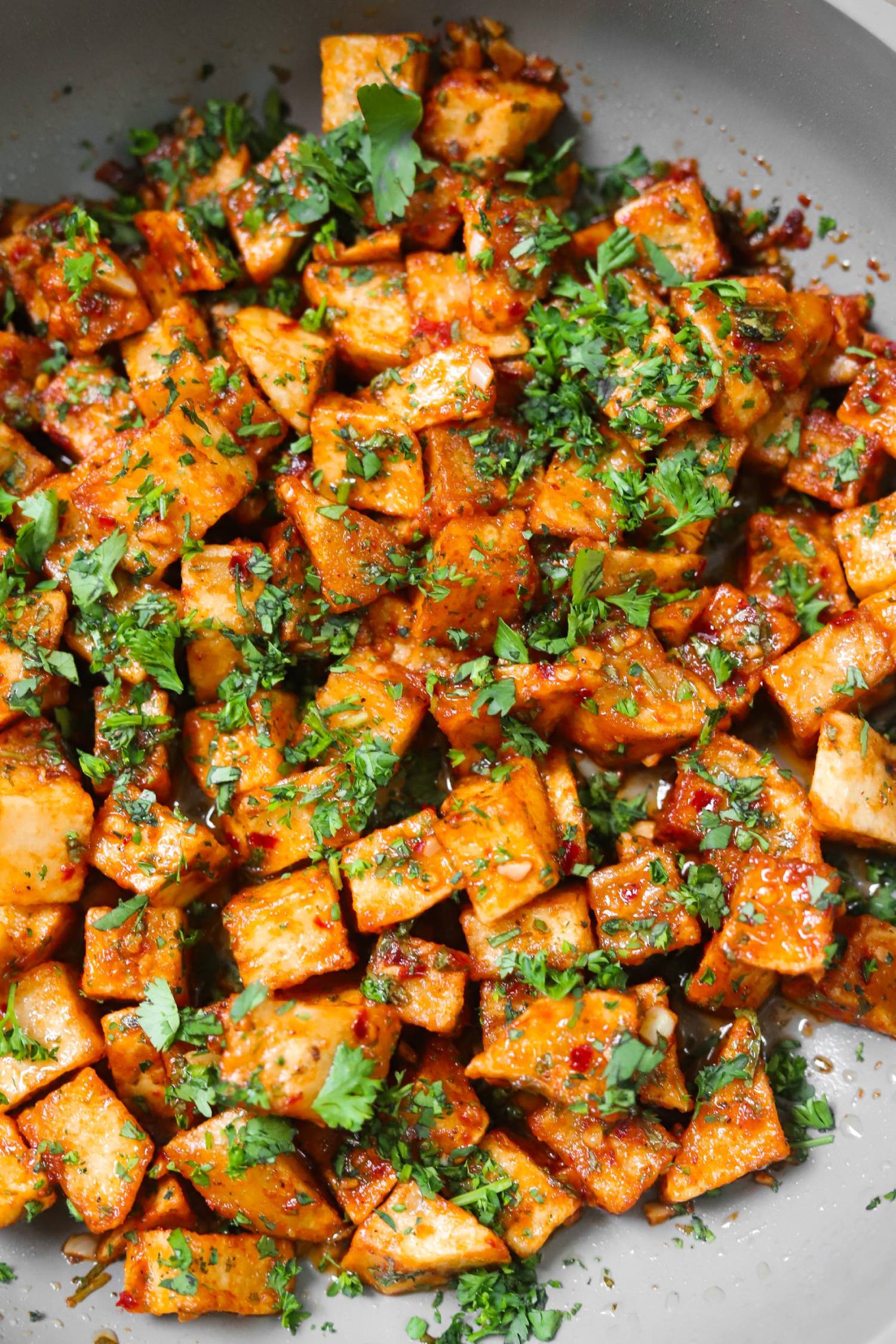
Batata Mbasla
Libyan Fried Onion Potatoes
Side dish, everyday meal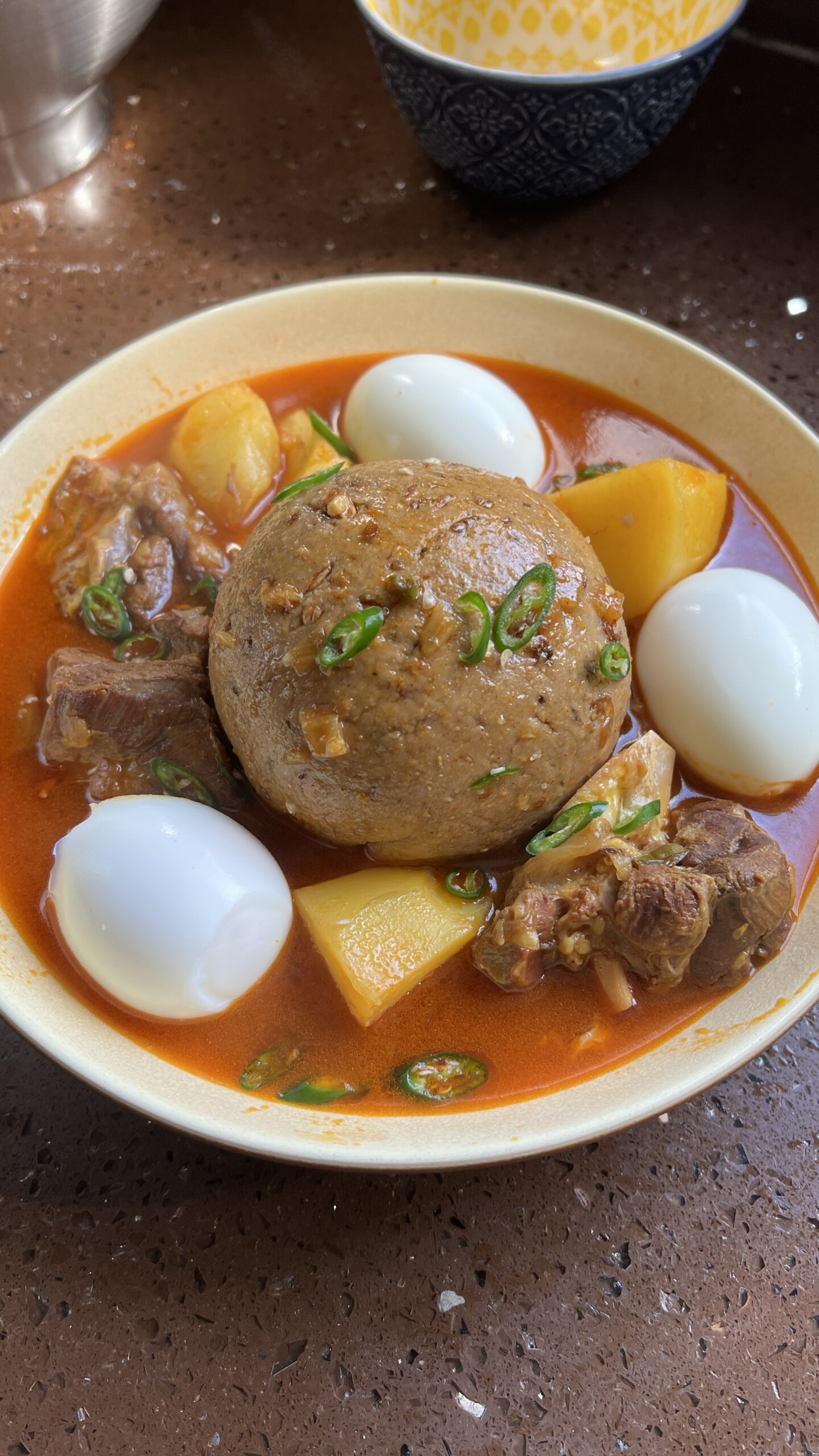 Hard
📜 Story
Hard
📜 Story
Bazeen
Barley Dome with Stew
Friday lunch, Eid celebrations Easy
📜 Story
Easy
📜 Story
Bsisa
Toasted Grain and Nut Powder
Breakfast, energy snack, Ramadan suhoor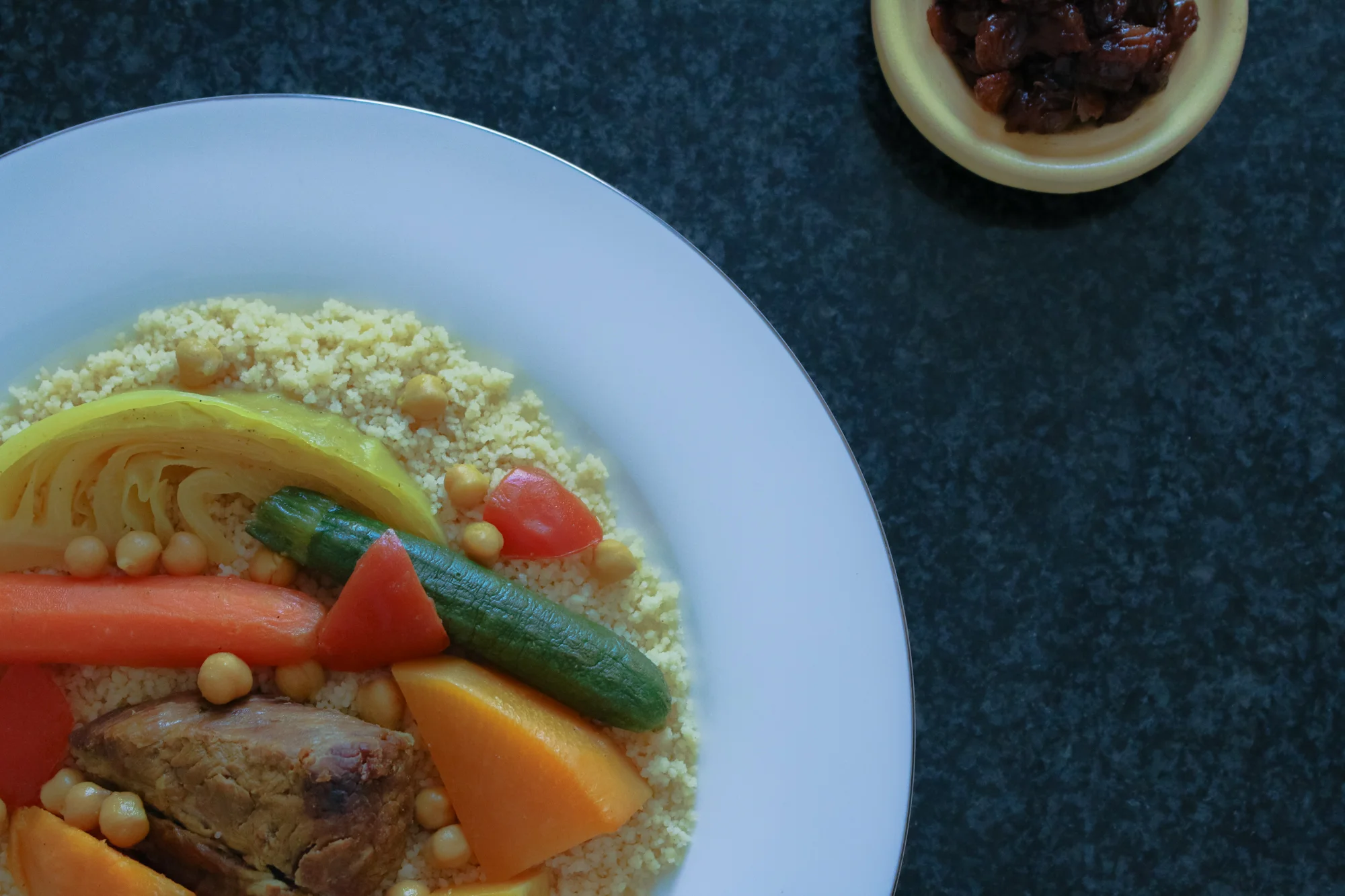 Medium
📜 Story
Medium
📜 Story
Couscous bil Bosla
Libyan Couscous with Lamb and Vegetables
Friday lunch
Comments (0)
Log in to leave a comment.
No comments yet. Be the first to share your thoughts!