
Boiled cassava pounded into a smooth, stretchy dough ball. The essential accompaniment to Liberian soups and stews.
Nutrition & Info
Equipment Needed
Presentation Guide
Vessel: rounded mound on plate
Accompaniments: palm butter soup, pepper soup
Instructions
-
1
Peel the cassava and cut it into even chunks about five centimetres long, removing the tough woody core from the centre of each piece, then rinse thoroughly under cold running water.
-
2
Place the cassava chunks in a large pot and cover with cold water by about five centimetres. Bring to a rolling boil over high heat, then reduce to medium and cook for twenty-five to thirty minutes.
-
3
Test the cassava by piercing with a fork; it should be extremely soft and offer no resistance. Drain the water completely and allow the pieces to cool for two to three minutes until safe to handle.
-
4
Transfer the hot cassava to a large wooden mortar. Using a heavy pestle, begin pounding vigorously in a steady rhythm, occasionally sprinkling in small amounts of warm water to keep the dough pliable.
-
5
Continue pounding for ten to fifteen minutes, turning and folding the mass between strikes, until the dumboy becomes completely smooth, elastic, and slightly glossy with no visible lumps or fibres remaining.
-
6
With wet hands, scoop portions of the finished dough and shape them into smooth round or oval balls about the size of a large orange, placing each onto a serving platter or into a covered bowl.
-
7
Serve the dumboy immediately while still warm alongside palm butter soup, pepper soup, or any preferred Liberian stew, tearing off small pieces and dipping them into the accompanying broth.
Did You Know?
The rhythmic pounding of dumboy is one of the most recognizable sounds of Liberian neighborhoods.
Chef's Notes
Equipment Tips
- large mortar and pestle
- heavy pot
- wooden spoon
Accompaniments
The Story Behind Dumboy
The Story: Dumboy (also spelled dumboy or dumboi) is a smooth, stretchy dough made from boiled and pounded cassava, served with a rich, heavily seasoned soup such as palm butter soup, pepper soup, or cassava leaf soup. The preparation requires boiling cassava until very soft, then pounding it vigorously in a large wooden mortar with a pestle until it transforms into an elastic, glutinous mass. The technique is shared across West Africa but takes on particular importance in Liberia, where dumboy is considered the most traditional accompaniment to the nation's great soups. The physical labor of pounding, typically performed by women working in rhythmic pairs, is itself a social and cultural practice.
On the Calendar: Dumboy is everyday food in Liberia, particularly in rural communities and indigenous households. It is the preferred starch for pairing with the richest and most flavorful soups, making it the centerpiece of family meals and celebrations.
Then & Now: While traditional mortar-and-pestle preparation continues in many households, urban cooks may use cassava flour and boiling water to create a similar product with less labor. The traditional pounded version is considered superior in texture and flavor.
Legacy: Dumboy represents the physical and communal nature of Liberian cooking, a food that demands effort, rhythm, and partnership to create, and rewards that labor with a uniquely satisfying texture that carries every flavor of the accompanying soup.
More Liberian Dishes
 Easy
📜 Story
Easy
📜 Story
Beans and Plantain
Stewed Beans with Fried Plantain
Lunch or dinner, everyday meal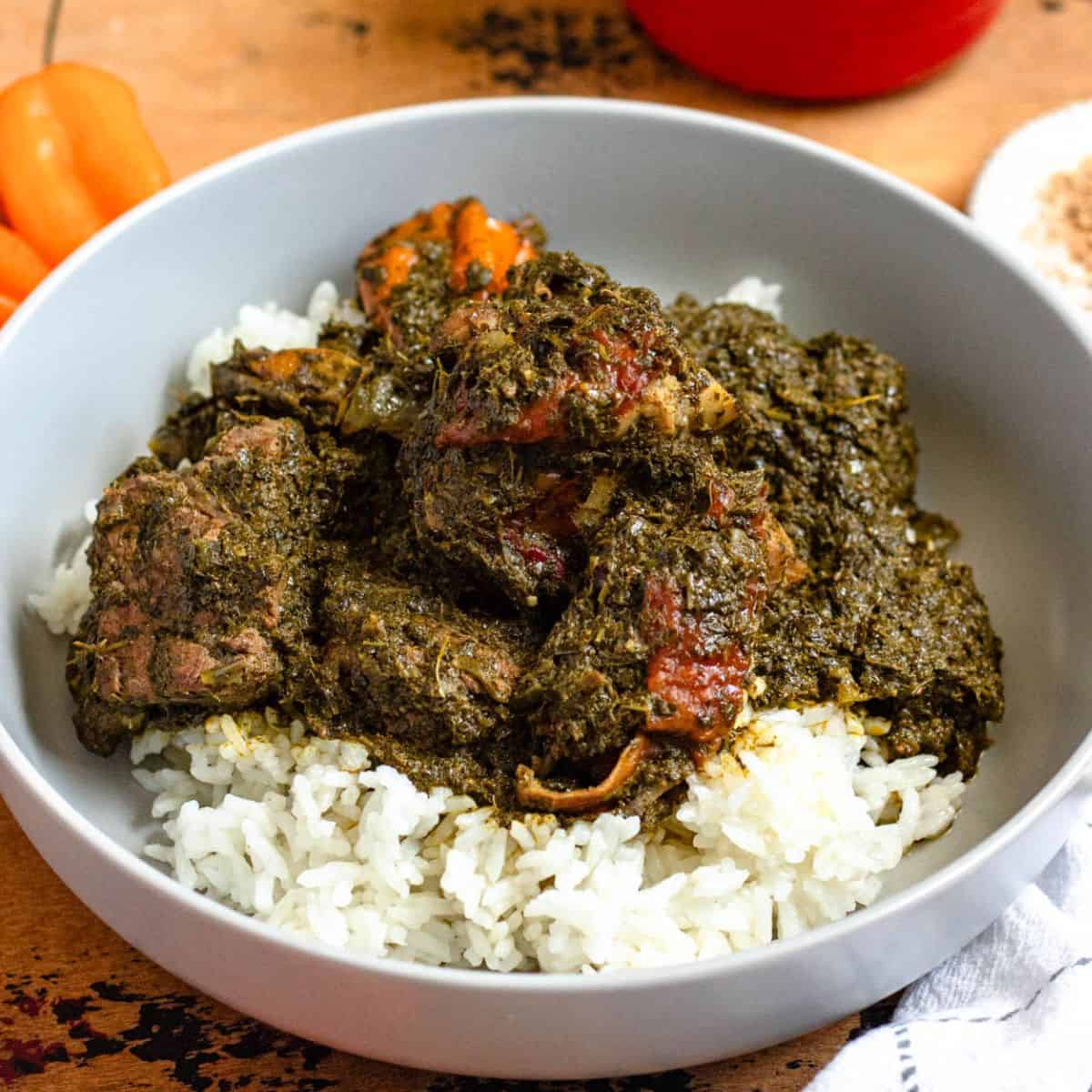 Hard
📜 Story
Hard
📜 Story
Cassava Leaf Soup
Cassava Greens Stew
Lunch or dinner, everyday and festive Easy
📜 Story
Easy
📜 Story
Check Rice
Mixed Vegetable Rice
Lunch or dinner, everyday meal Hard
📜 Story
Hard
📜 Story
Country Chop
Traditional Mixed Dish
Special occasions, communal gatherings
Comments (0)
Log in to leave a comment.
No comments yet. Be the first to share your thoughts!