Warm, pillowy flatbread topped with fragrant za'atar and olive oil, baked golden. Often called the pizza of the Levant, this is Lebanon's ultimate breakfast street food.
Nutrition & Info
Allergen Warnings
Equipment Needed
Presentation Guide
Vessel: served flat on wooden board or paper
Garnishes: fresh za'atar, olive oil drizzle
Accompaniments: fresh mint, tomatoes, cucumbers, labneh
Instructions
-
1
In a large bowl, whisk together the flour, yeast, sugar, and salt. Make a well in the centre and add the two tablespoons of olive oil and warm water. Mix with a wooden spoon until a rough dough forms and no dry flour remains.
-
2
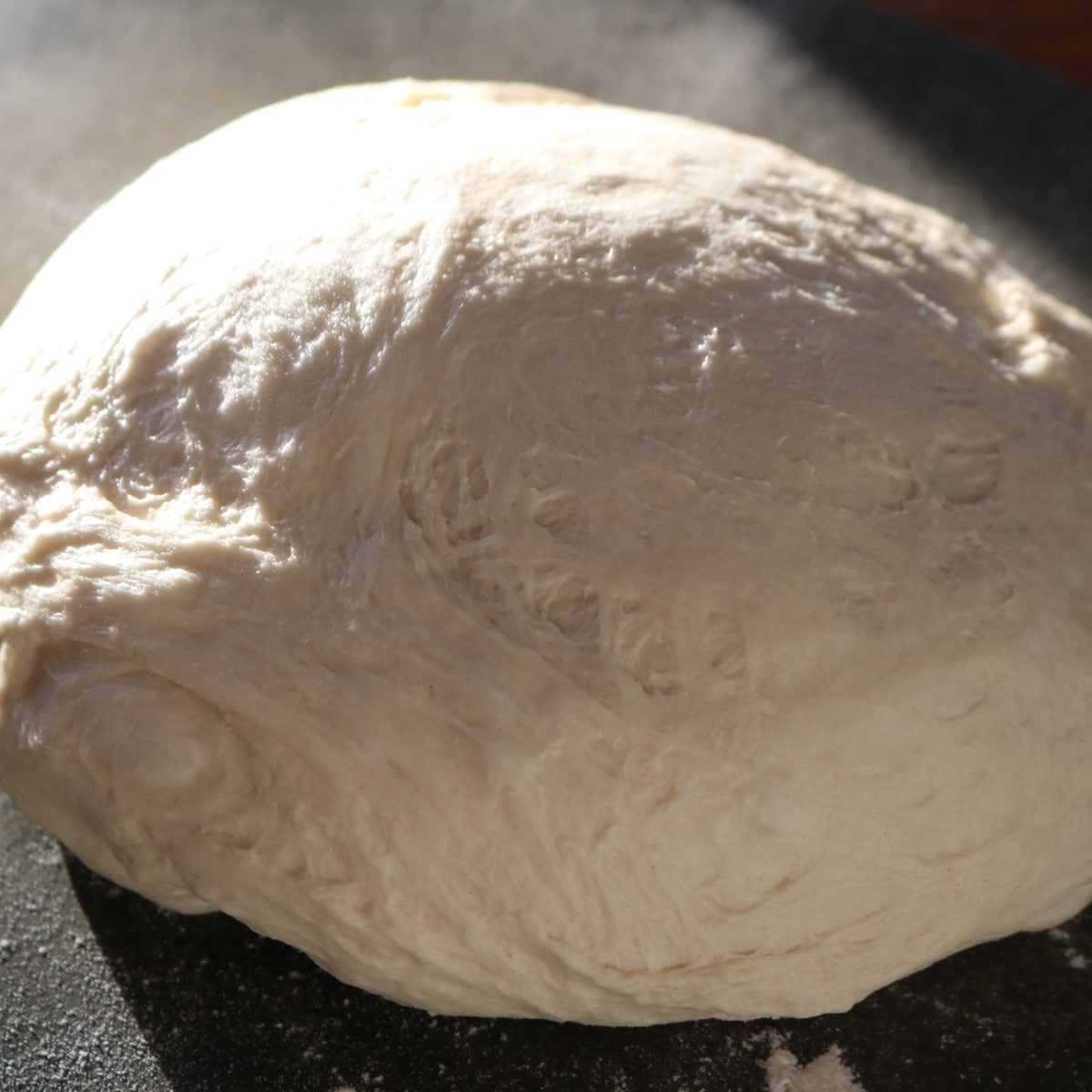
Turn the dough onto a lightly floured surface and knead for eight to ten minutes until it is smooth, elastic, and slightly tacky to the touch. It should bounce back slowly when poked with a fingertip.
-
3
Shape the dough into a ball, place it in a lightly oiled bowl, and cover with a damp towel or plastic wrap. Let it rise in a warm spot for forty-five minutes to one hour until it has doubled in size and feels airy.
-
4
While the dough rises, prepare the za'atar topping by stirring together the za'atar blend and one-third cup of olive oil in a small bowl until the mixture forms a thick, spreadable paste with no dry spice pockets.
-
5
Punch down the risen dough and divide it into four equal portions. Roll each portion into a smooth ball, then roll out on a floured surface into a round disc about 20cm in diameter and half a centimetre thick.
-
6
Press your fingertips into each dough round to create small dimples across the entire surface. These indentations help the za'atar topping adhere to the bread and prevent it from sliding off during the high-heat bake.
-
7
Spread two generous tablespoons of the za'atar-olive oil mixture evenly over each round, leaving a one-centimetre border around the edges. Place the topped rounds on parchment-lined baking sheets.
-
8
Bake in a preheated 230°C oven on the upper rack for eight to ten minutes until the edges are golden brown and the za'atar topping is fragrant and sizzling. Serve hot with fresh vegetables, olives, and labneh on the side.
Did You Know?
In Lebanon, manakish bakeries open before dawn — the scent of za'atar is considered the aroma of morning.
Chef's Notes
Equipment Tips
- oven or saj griddle
- rolling pin
- mixing bowl
Garnishing
fresh za'atar, olive oil drizzle
Accompaniments
fresh mint, tomatoes, cucumbers, labneh
The Story Behind مناقيش
## The Story
Manakish (singular: manoushe) draws from ancient Levantine baking traditions thousands of years old. The name comes from the Arabic naqasha, meaning 'to sculpt or engrave,' describing how the dough is pressed with fingertips before topping. Under Ottoman rule (1516-1918), communal baking ovens called tannour and convex metal griddles called saj became standard in Lebanese villages, where families shared oven resources to produce their daily topped flatbreads each morning.
## On the Calendar
Manakish is the quintessential Lebanese breakfast, baked fresh at dawn. Traditionally, women would prepare dough at communal village ovens each morning, topping small portions with za'atar and olive oil for the family's first meal. In 2023, UNESCO inscribed manakish as an Intangible Cultural Heritage practice of Lebanon.
## Then & Now
The classic manakish bi za'atar remains dominant: flatbread pressed with a mixture of dried thyme, sesame seeds, sumac, and olive oil. Modern variations include cheese, ground meat, and kishk toppings. Manakish bakeries are ubiquitous across Lebanon, from village ovens to urban chains.
## Legacy
Manakish is the daily bread of Lebanon, a UNESCO-recognized tradition that embodies the country's communal baking heritage and the centrality of za'atar to Lebanese identity.


Comments (0)
Log in to leave a comment.
No comments yet. Be the first to share your thoughts!