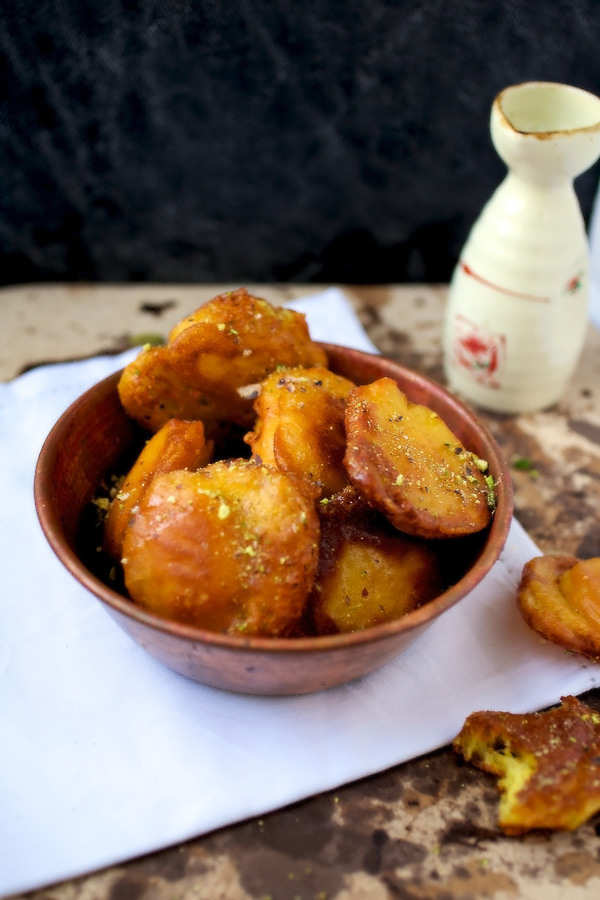
Tender wheat dumplings simmered in a spiced lamb and vegetable stew. A comforting Kuwaiti home-cooking classic.
Nutrition & Info
Allergen Warnings
Equipment Needed
Presentation Guide
Vessel: deep serving bowl
Garnishes: dried lime slices, fresh herbs
Accompaniments: white rice, flatbread
Instructions
-
1
Make the dumpling dough by combining the wheat flour, a pinch of salt, and warm water in a bowl. Knead for five minutes until you have a smooth, pliable dough, then cover with a towel and rest for twenty minutes.
-
2
Prepare the dumpling filling by mixing the finely diced small onion with the soaked raisins and a pinch of baharat. This sweet-savoury filling is the signature element that distinguishes gabout from plain dumplings.
-
3
Pinch off walnut-sized pieces of dough, flatten each into a small disc in your palm, place a teaspoon of filling in the centre, then fold and pinch the edges firmly to seal. Set the finished dumplings on a floured tray.
-
4
Heat the olive oil in a large pot over medium-high heat. Brown the lamb cubes on all sides for five minutes, then add the diced onions and sauté for three minutes until they begin to soften and turn translucent.
-
5
Stir in the tomato puree, turmeric, baharat, and pierced dried lime. Cook for two minutes to allow the spices to bloom, then pour in four cups of water and bring to a boil before reducing to a steady simmer.
-
6
Cover the pot and simmer the stew for thirty minutes until the lamb is nearly tender. Add the diced zucchini and stir to combine, then gently lower the dumplings one by one into the simmering liquid.
-
7
Cover again and cook for fifteen to twenty minutes without stirring vigorously, as the dumplings are delicate. They are ready when they float to the surface, feel firm to the touch, and the lamb is completely tender.
-
8
Ladle the stew into deep bowls, ensuring each serving has several dumplings, generous pieces of lamb, and plenty of the fragrant broth. Serve hot with flatbread for soaking up the richly spiced cooking liquid.
Did You Know?
Gabout is a wintertime favorite in Kuwait, often made using century-old family recipes.
Chef's Notes
Equipment Tips
- large pot
- mixing bowl
- slotted spoon
Garnishing
dried lime slices, fresh herbs
Accompaniments
white rice, flatbread
The Story Behind Gabout
The Story: Gabout (also spelled gabout or jireesh) are Kuwaiti dumplings made from a mixture of wheat flour and ground meat, formed into small rounds and simmered in a tomato-based stew with onions, garlic, turmeric, and dried lime (loomi). The dish represents the frugal wisdom of pre-oil Kuwait, where wheat and small quantities of meat were stretched to feed large families through the combination of dough and stew. The technique of cooking dough dumplings in a spiced broth connects Kuwaiti cuisine to broader Central Asian and Middle Eastern dumpling traditions, suggesting ancient trade route influences.
On the Calendar: Gabout is traditional comfort food in Kuwait, served during the cooler winter months and during Ramadan as a hearty iftar dish. It is also prepared for family gatherings and occasions that call for traditional, heritage cooking.
Then & Now: As Kuwait modernized, gabout became less common in everyday cooking but is now experiencing a revival as part of a broader movement to preserve Kuwaiti culinary heritage. Restaurants specializing in traditional Kuwaiti cuisine feature gabout on their menus.
Legacy: Gabout connects modern Kuwait to its pre-oil past, a humble dumpling stew that reminds the nation that culinary wealth comes not from abundance but from the skill of transforming simple ingredients into sustenance.



Comments (0)
Log in to leave a comment.
No comments yet. Be the first to share your thoughts!