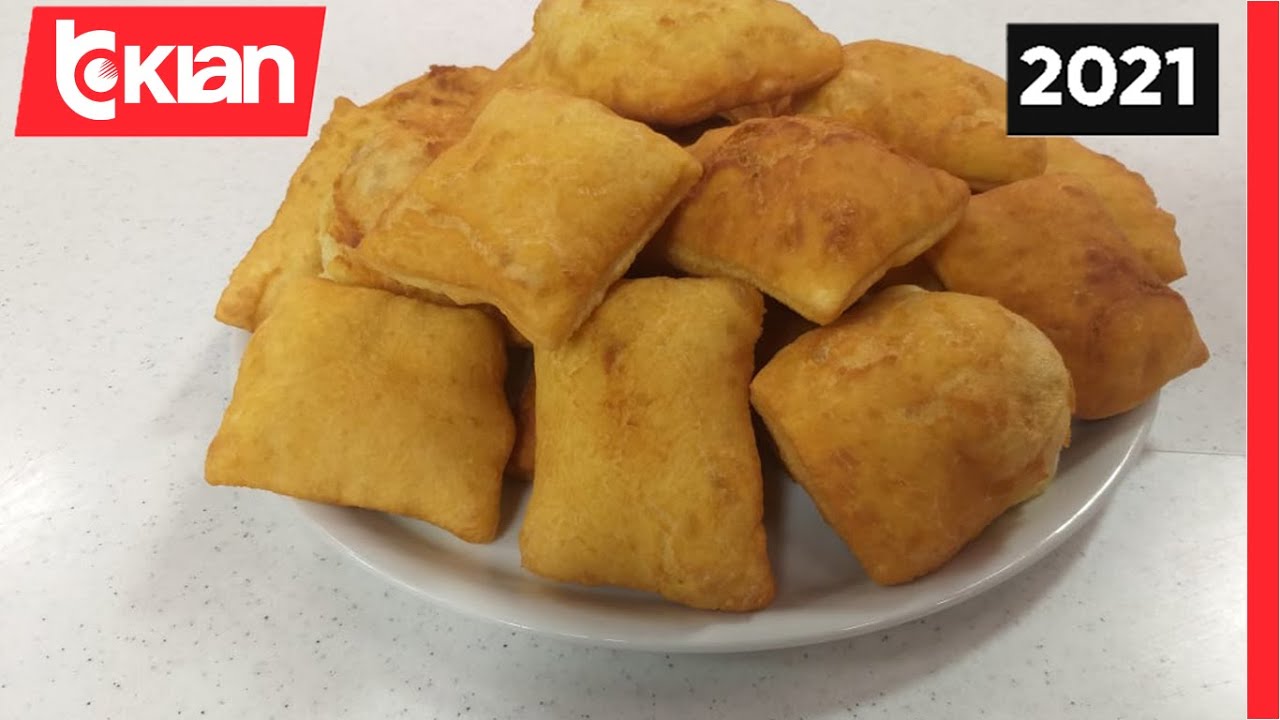
Bite-sized balls of soft, yeasted dough deep-fried until golden and then soaked in warm sugar syrup scented with lemon. These syrup-drenched treats are Kosovo's most popular sweet for celebrations.
Nutrition & Info
Allergen Warnings
Equipment Needed
Presentation Guide
Vessel: serving plate
Garnishes: ground cinnamon
Accompaniments: Turkish coffee
Instructions
-
1
Mix flour, yeast, salt, oil, and warm water into a soft, sticky dough and let rise for one hour.
-
2
Meanwhile, make syrup by boiling sugar, water, and lemon juice for ten minutes until slightly thick, then cool.
-
3
Heat frying oil to 165°C.
-
4
With wet hands, pinch off small balls of dough and drop carefully into the oil.
-
5
Fry for three to four minutes, turning, until evenly deep golden.
-
6
Drain briefly, then immediately drop into the warm syrup for two minutes, then transfer to a serving plate.
Did You Know?
Llokuma are the Kosovar version of loukoumades, a dessert that can be traced back to ancient Greece.
Chef's Notes
Equipment Tips
- deep pot for frying
- saucepan
- slotted spoon
Garnishing
ground cinnamon
Accompaniments
Turkish coffee
The Story Behind Llokuma
Llokuma are the celebratory sweet of Kosovo, prepared for religious holidays, weddings, and any occasion worthy of sweetness. The name derives from the Turkish lokma, itself from the Arabic luqma meaning morsel or bite. In Kosovo, llokuma are particularly associated with Bajram celebrations and with the tradition of offering sweets to neighbors and visitors. The skill is in achieving a light, airy interior while the outside stays crisp under its coating of syrup.


Comments (0)
Log in to leave a comment.
No comments yet. Be the first to share your thoughts!