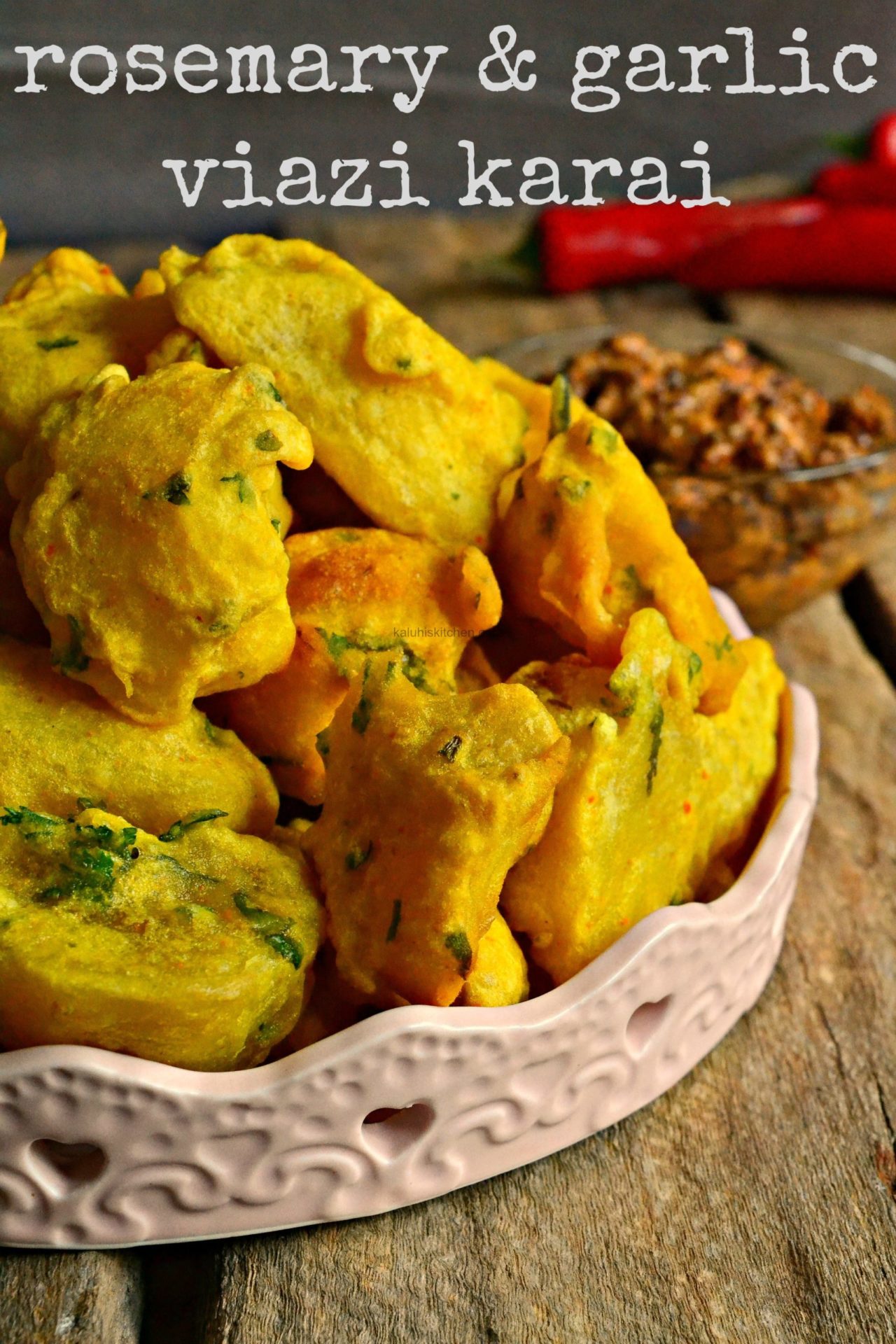
Viazi Karai
Viazi Karai (vee-AH-zee kah-RAH-ee)
Spiced Deep-Fried Potatoes
Whole boiled potatoes coated in a fiery chili and turmeric gram flour batter and deep-fried until crunchy, a fiery Mombasa street snack.
Nutrition & Info
Allergen Warnings
Equipment Needed
Presentation Guide
Vessel: newspaper cone or plate
Garnishes: lime wedge, chili flakes
Accompaniments: tamarind chutney, chai
Instructions
-
1
Boil whole small potatoes until just tender, about twelve minutes. Drain, cool, and halve lengthwise.
-
2
Mix gram flour, chili powder, turmeric, cumin, and salt. Add water to form a thick, smooth batter.
-
3
Heat oil to 175C in a deep pot or fryer until a drop of batter sizzles immediately.
-
4
Dip each potato half into the batter, ensuring full coverage, and carefully lower into the hot oil.
-
5
Fry for four minutes until the batter is golden, crispy, and the chili gives it a distinctive orange hue.
-
6
Drain on paper towels, squeeze fresh lime juice over, and serve with tamarind chutney.
Did You Know?
Viazi karai are so spicy in Mombasa that first-time visitors from Nairobi often need a glass of milk to cool down.
Chef's Notes
Equipment Tips
- deep fryer or pot
- mixing bowl
- slotted spoon
Garnishing
lime wedge, chili flakes
Accompaniments
tamarind chutney, chai
The Story Behind Viazi Karai
Viazi karai embodies the fiery spirit of Mombasa's street food scene, where Indian-influenced batters meet African love of bold chili heat. The dish emerged from the Indian-Kenyan community in Mombasa, where gram flour fritters are a snacking tradition, but Kenyan cooks turned up the heat dramatically. During Ramadan, viazi karai vendors line the streets of Old Town Mombasa, their sizzling pots drawing hungry crowds at iftar time.


Comments (0)
Log in to leave a comment.
No comments yet. Be the first to share your thoughts!