
Unripe green bananas peeled and simmered in a savory tomato and onion sauce until tender and creamy, a beloved starch dish across western Kenya.
Nutrition & Info
Equipment Needed
Presentation Guide
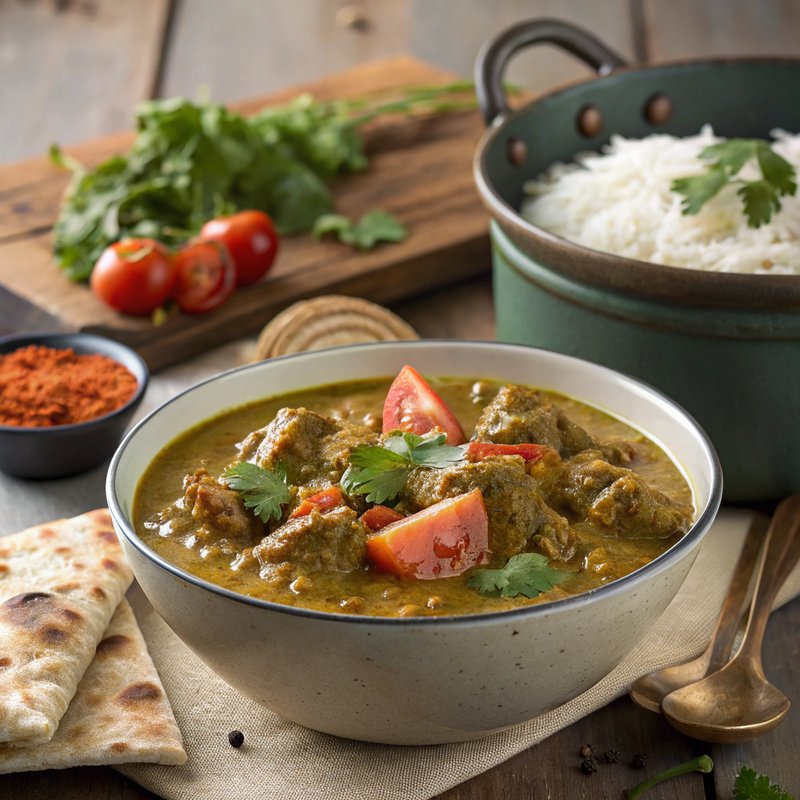
Vessel: deep serving bowl
Garnishes: fresh cilantro, diced tomato
Accompaniments: beef stew, sukuma wiki
Instructions
-
1
Peel green bananas by making a lengthwise slit and removing the skin under running water to prevent sap from staining hands.
-
2
Cut peeled bananas into chunks and soak in salted water to prevent browning while preparing the sauce.
-
3
Heat oil in a large pot, sauté diced onions for five minutes, then add tomatoes and cook until saucy.
-
4
Add turmeric and curry powder, stirring for one minute until fragrant and the oil separates from the sauce.
-
5
Add banana chunks and water or coconut milk. Cover and simmer on low heat for twenty-five minutes until tender.
-
6
The bananas should be soft and creamy, absorbing the flavors of the sauce. Garnish with cilantro and serve.
Did You Know?
In western Kenya, a man who brings home green bananas is signaling that he wants his wife to cook his favorite comfort food.
Chef's Notes
Equipment Tips
- large pot
- wooden spoon
- sharp knife
Garnishing
fresh cilantro, diced tomato
Accompaniments
The Story Behind Matoke
Matoke originated in the banana-growing regions of western Kenya and Uganda around Lake Victoria. The Luhya people of western Kenya have cultivated cooking bananas for centuries, and matoke represents their most characteristic dish. Unlike sweet bananas, cooking bananas are starchy and behave like potatoes when cooked. The dish showcases the ingenuity of East African cooking, turning a fruit into a satisfying, savory main course.


Comments (0)
Log in to leave a comment.
No comments yet. Be the first to share your thoughts!