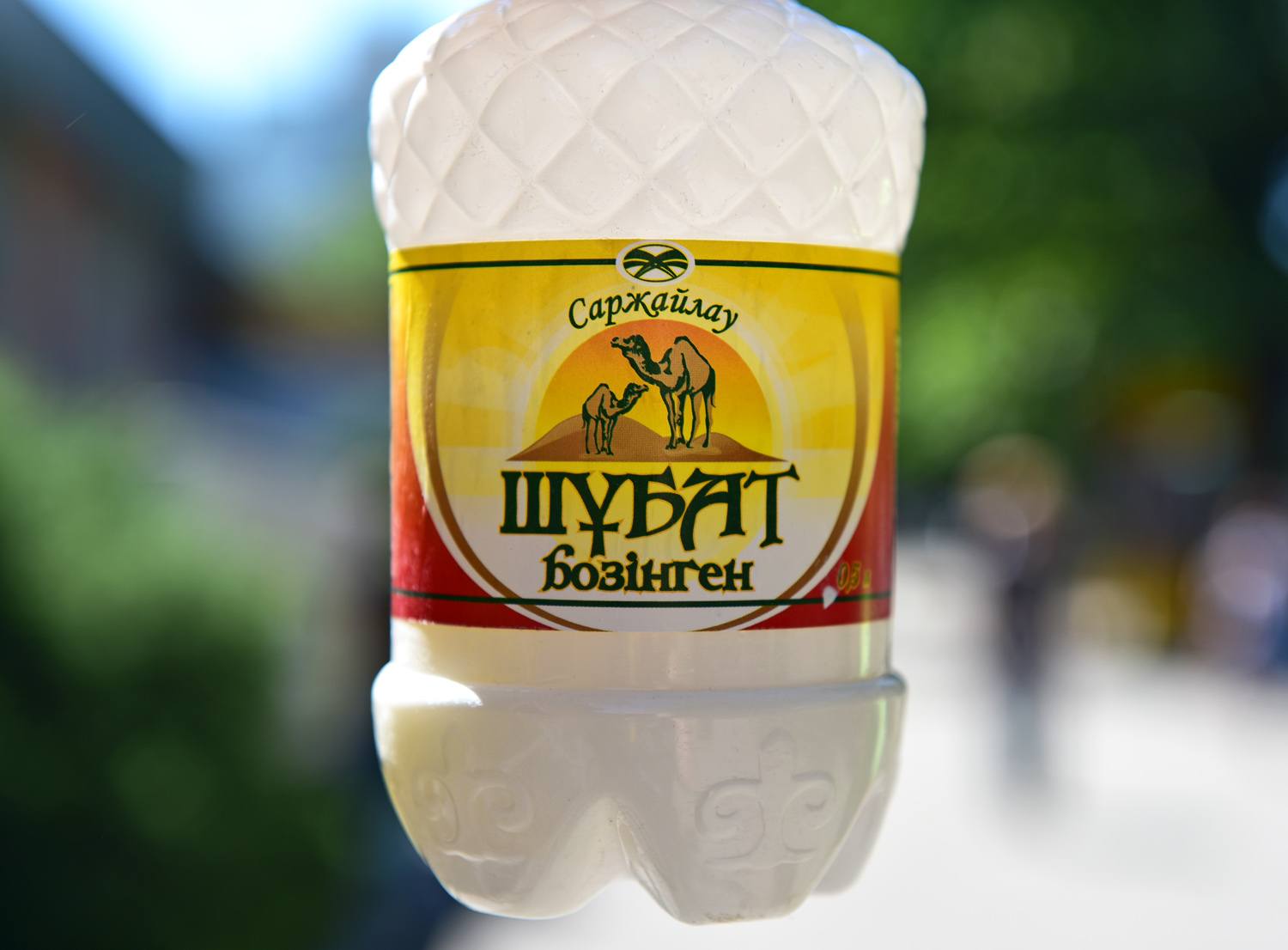
A tangy, effervescent fermented camel milk beverage prized across Kazakhstan for its distinctive flavor and believed health benefits.
Nutrition & Info
Allergen Warnings
Equipment Needed
Presentation Guide
Vessel: traditional wooden bowl (tostagan)
Accompaniments: baursak
Instructions
-
1
Pour fresh camel milk into a clean ceramic or wooden vessel.
-
2
Add the starter culture (mature shubat from a previous batch or kefir) and stir well.
-
3
Cover with cheesecloth and leave at room temperature for 1-2 days.
-
4
Stir vigorously every 6-8 hours during fermentation to distribute cultures evenly.
-
5
When the milk thickens, becomes tangy, and develops slight effervescence, it is ready.
-
6
Serve chilled. Reserve a cup of this batch as starter for the next.
Did You Know?
Shubat is believed by Kazakhs to cure dozens of ailments, and modern research has found camel milk does contain unique immune-boosting proteins.
Chef's Notes
Equipment Tips
- large ceramic or wooden vessel
- ladle
- cheesecloth
Accompaniments
The Story Behind Shubat
Shubat has been prepared by the nomads of the Kazakh steppe for thousands of years, wherever camels were herded in the arid southern regions. Unlike kumis (from mare milk), shubat is thicker and more sour. It was a vital source of nutrition in the desert, and the fermentation process made the milk safer to drink and longer-lasting. Shubat remains culturally significant and is increasingly marketed as a health food.


Comments (0)
Log in to leave a comment.
No comments yet. Be the first to share your thoughts!