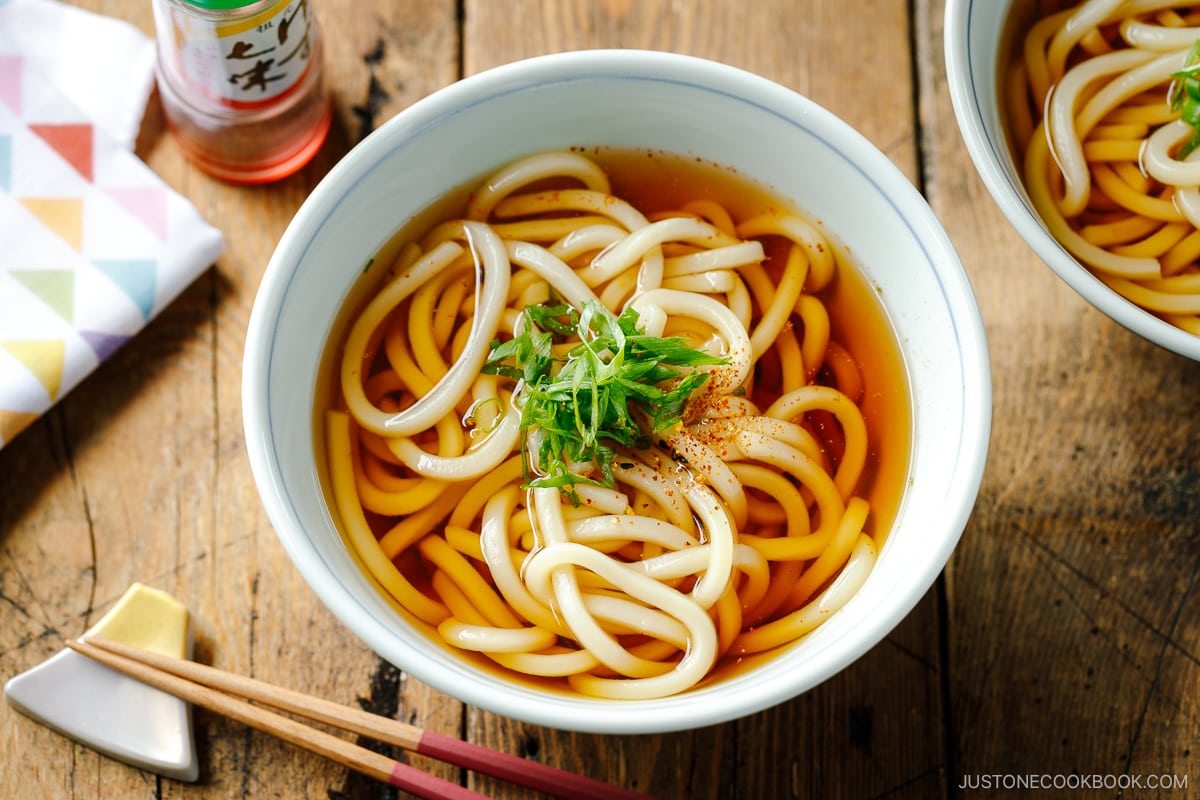
Thick, chewy wheat noodles served in a steaming dashi-based broth topped with green onions and tempura flakes. This comforting noodle dish showcases the elegant simplicity of Japanese cooking at its finest.
Nutrition & Info
Allergen Warnings
Equipment Needed
Instructions
-
1
Prepare the dashi stock by simmering kombu and bonito flakes in water. Strain and combine with soy sauce, mirin, and sugar, stirring until dissolved to create a clean savory broth.
-
2
Bring a separate large pot of water to a rolling boil. Cook the udon noodles according to package directions, stirring gently to prevent sticking. Fresh noodles need only two minutes.
-
3
While noodles cook, poach the thinly sliced chicken breast in the simmering dashi broth for four minutes until just cooked through. The gentle heat keeps the chicken tender and silky.
-
4
Drain the cooked noodles thoroughly and rinse briefly under warm water to remove excess starch. Divide the noodles evenly among four deep serving bowls.
-
5
Ladle the hot dashi broth over the noodles and arrange the poached chicken slices and kamaboko fish cake on top. The broth should nearly cover the noodles.
-
6
Garnish each bowl with sliced green onions, nori strips, and a generous sprinkle of tempura flakes. Serve immediately with shichimi togarashi on the side for extra heat.
Did You Know?
In Kagawa prefecture, known as the udon capital of Japan, there are more udon shops per capita than anywhere else in the world. Locals eat udon an average of three times per week.
Chef's Notes
Equipment Tips
- large pot
- rolling pin
- knife
- strainer
- serving bowls
The Story Behind Udon
Udon noodles were likely introduced to Japan from China during the Nara period in the eighth century, though some legends credit the Buddhist monk Kukai with bringing the technique from Tang Dynasty China. The noodles became a staple of temple cuisine and spread throughout Japan, with each region developing distinctive styles. Sanuki udon from Kagawa is prized for its firm chewiness, while Inaniwa udon from Akita is thinner and silkier. During the Edo period udon shops became common gathering places. The simplicity of udon embodies the Japanese aesthetic of finding depth in restraint.
More Japanese Dishes
 Medium
📜 Story
Medium
📜 Story
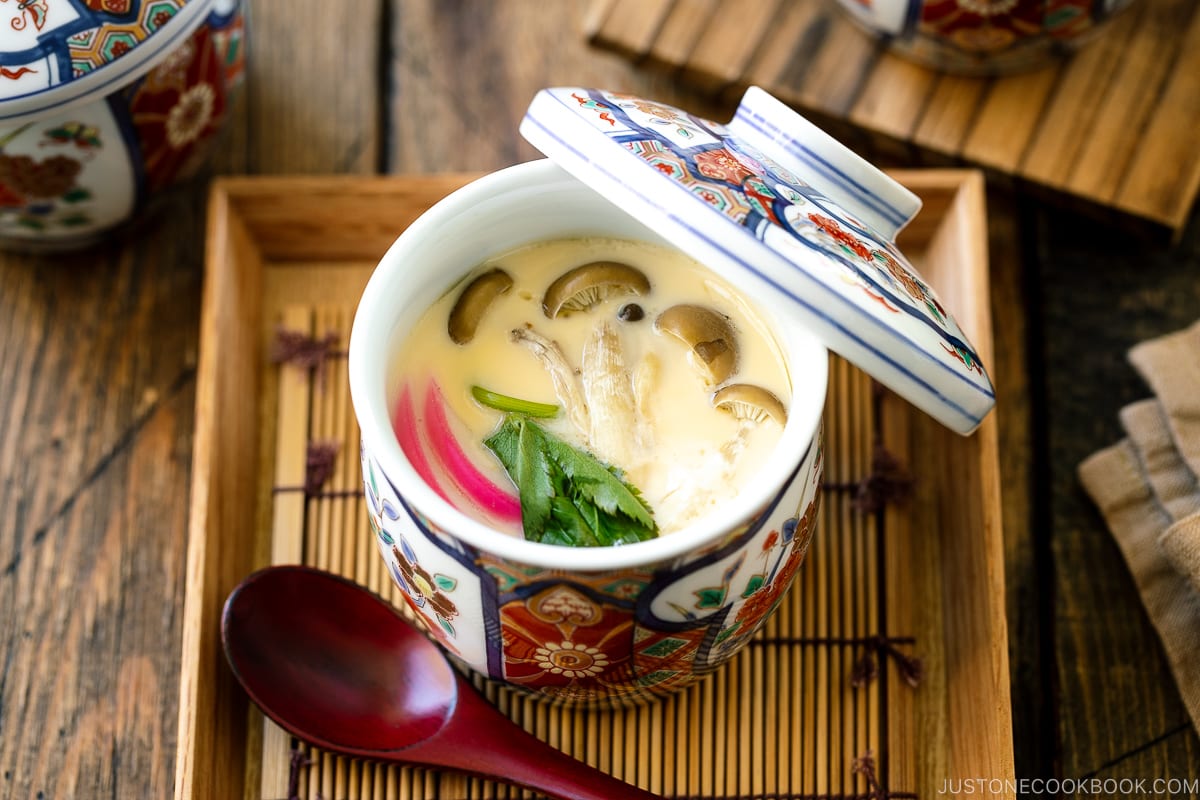
Chawanmushi
Savory Steamed Egg Custard
Appetizer course in kaiseki meal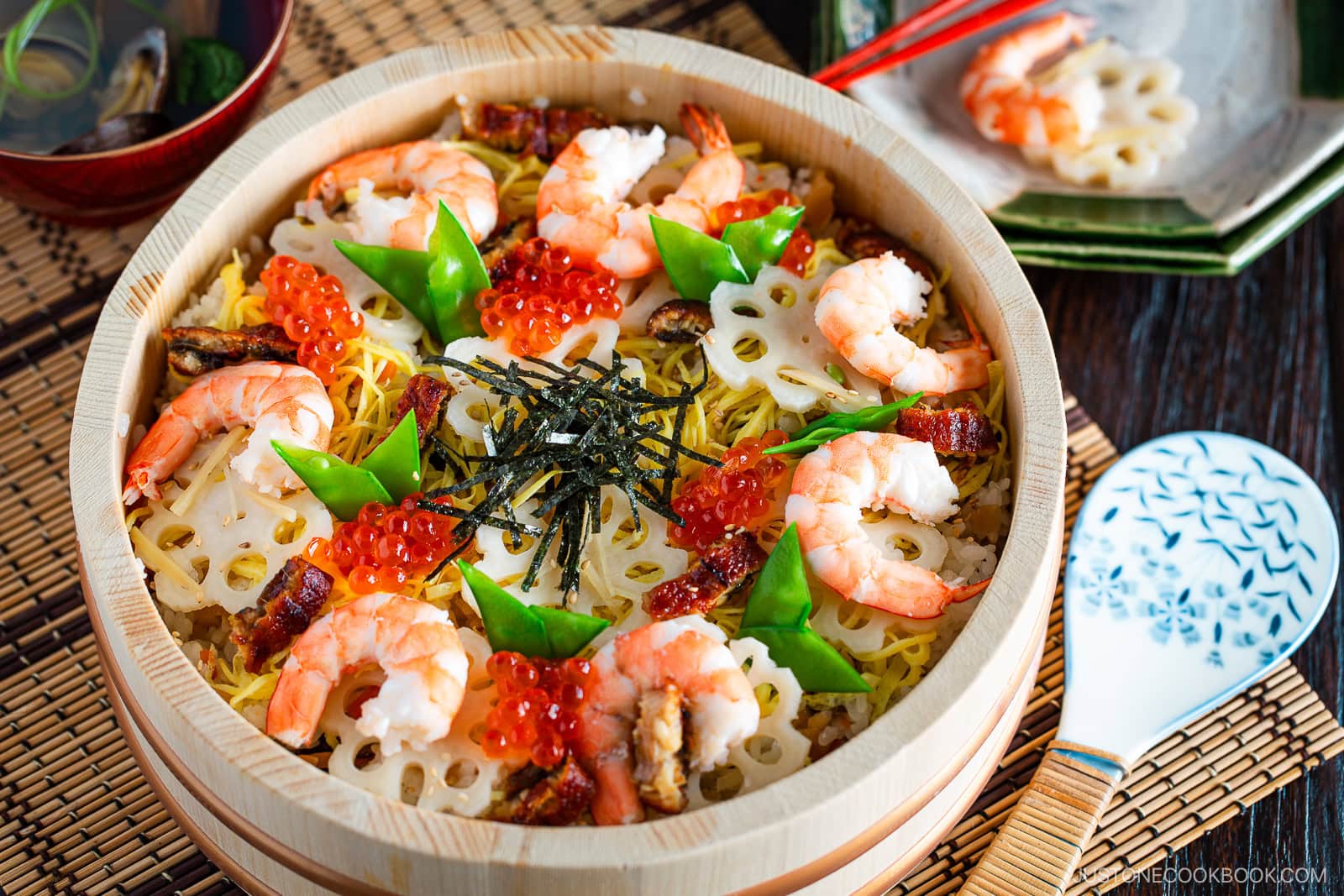 Medium
📜 Story
Medium
📜 Story
Chirashi Sushi
Scattered Sushi Bowl
Hinamatsuri (Girls' Day), celebrations, special meals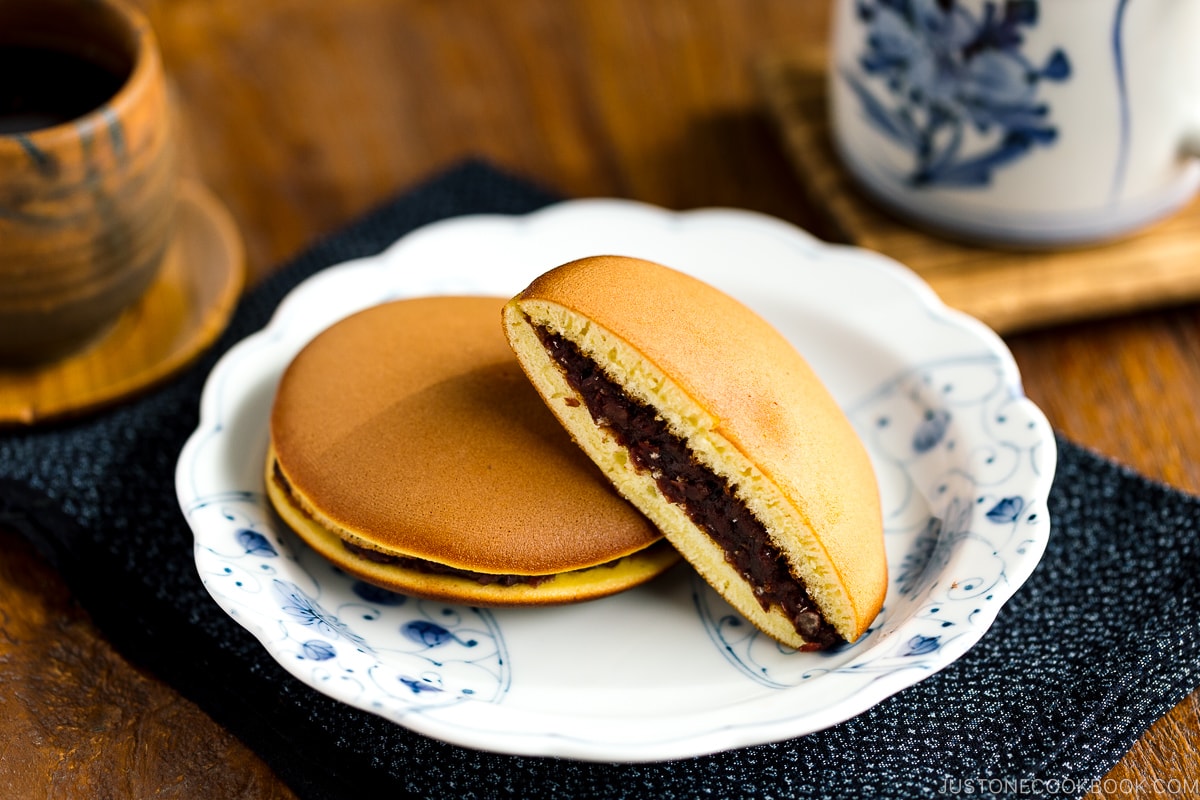 Easy
📜 Story
Easy
📜 Story
Dorayaki
Red Bean Pancake Sandwich
Afternoon tea snack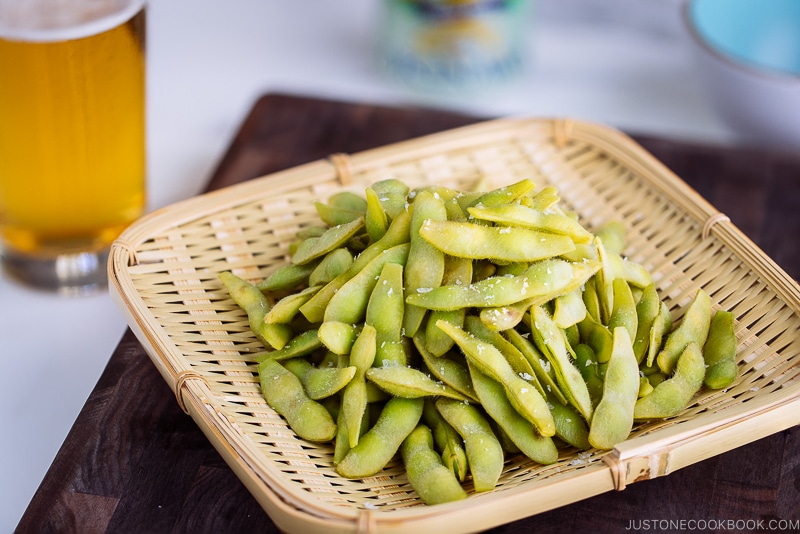 Easy
📜 Story
Easy
📜 Story
Edamame
Salted Steamed Soybeans
Pre-meal snack or beer accompaniment
Comments (0)
Log in to leave a comment.
No comments yet. Be the first to share your thoughts!