
Tori Paitan Ramen
鶏白湯ラーメン (TOH-ree PIE-tahn RAH-men)
Creamy Chicken Broth Ramen
Rich, creamy ramen featuring an opaque chicken bone broth simmered for hours until velvety smooth, served with springy noodles, tender chicken chashu, and a marinated soft-boiled egg. A deeply satisfying alternative to traditional styles.
Nutrition & Info
Allergen Warnings
Equipment Needed
Instructions
-
1
Blanch chicken bones in boiling water for five minutes, then drain and rinse thoroughly. Place cleaned bones in a large stockpot with fresh water, garlic, and ginger, bringing to a vigorous rolling boil.
-
2
Maintain a strong boil for four to five hours, adding water as needed to keep bones submerged. The vigorous agitation emulsifies the fat and collagen, transforming the broth from clear to creamy opaque white.
-
3
Meanwhile, sear chicken thighs in a hot pan until golden on both sides. Braise them in a mixture of soy sauce, mirin, and sake for forty minutes until tender enough to slice neatly.
-
4
Strain the finished broth through a fine mesh sieve, pressing on the solids to extract maximum flavor. Season with soy sauce and salt, adjusting until the broth tastes rich and deeply savory.
-
5
Cook fresh ramen noodles in rapidly boiling water for ninety seconds until al dente with a slight spring. Drain well and divide among four warmed bowls immediately to prevent clumping.
-
6
Ladle the hot creamy broth over the noodles and top each bowl with sliced chicken chashu, a halved marinated egg, nori, sliced green onions, and a drizzle of sesame oil.
Did You Know?
Tori paitan achieves its creamy white color not from dairy but from emulsifying chicken collagen and fat into the broth through prolonged vigorous boiling, a technique that turns clear stock opaque.
Chef's Notes
Equipment Tips
- large stockpot
- strainer
- ladle
- ramen bowls
- rolling boil setup
The Story Behind Tori Paitan Ramen
Ramen evolved from Chinese wheat noodle soups that arrived through Yokohama's Chinatown in the late 19th century, primarily influenced by Cantonese cuisine. The first dedicated ramen shop, Rairaiken, opened in Tokyo's Asakusa district in 1910, reportedly serving 3,000 bowls on busy days. After World War II, the lifting of wheat flour controls and food vending restrictions in 1950 caused ramen to explode in popularity, and in 1958, Momofuku Ando invented instant noodles, democratizing the dish globally.
Ramen is arguably Japan's most democratic food, with over 24,000 shops across the country and roughly 5,000 in Tokyo alone. Each region has its signature style: Sapporo miso, Hakata tonkotsu, Tokyo shoyu. Ramen shops are intensely personal, with chefs spending years perfecting a single recipe. The dish symbolizes Japan's ability to absorb foreign influences and transform them into something uniquely its own.
More Japanese Dishes
 Medium
📜 Story
Medium
📜 Story
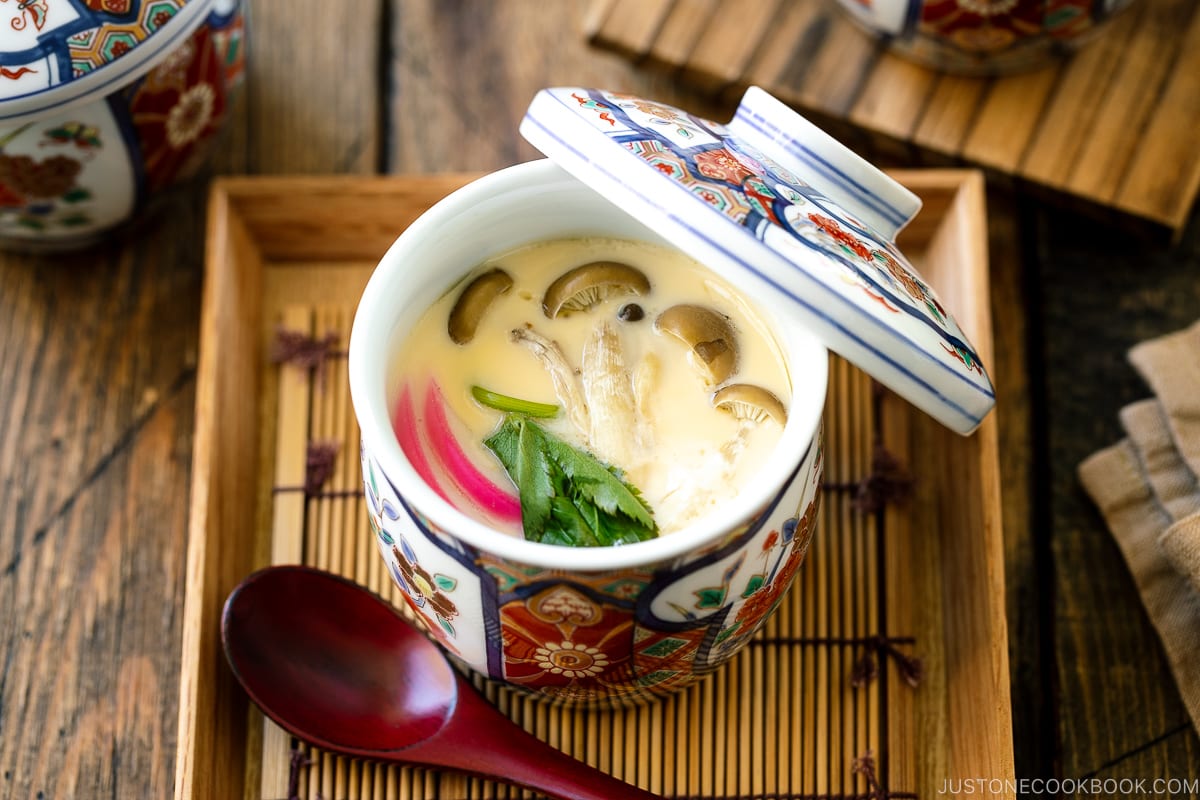
Chawanmushi
Savory Steamed Egg Custard
Appetizer course in kaiseki meal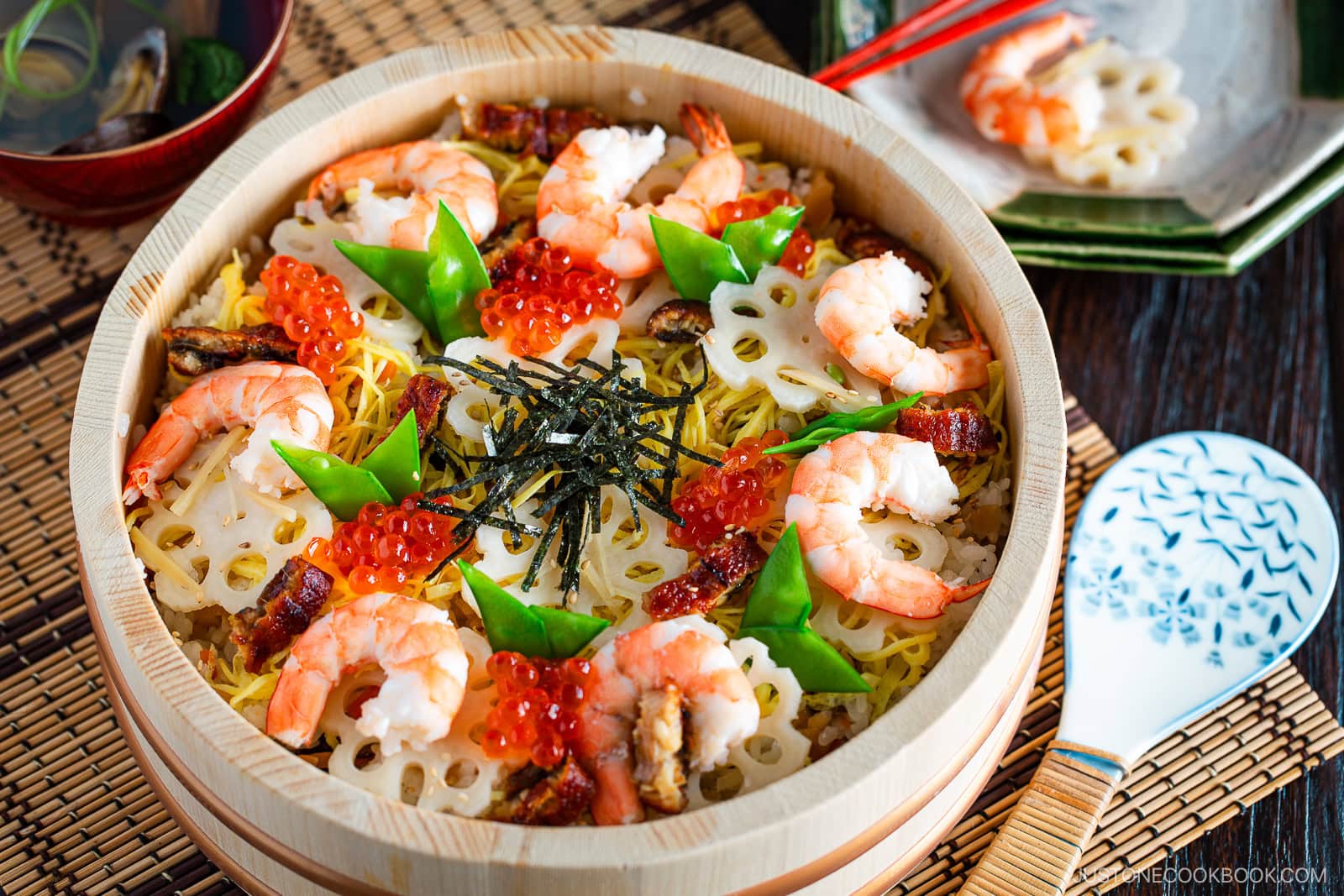 Medium
📜 Story
Medium
📜 Story
Chirashi Sushi
Scattered Sushi Bowl
Hinamatsuri (Girls' Day), celebrations, special meals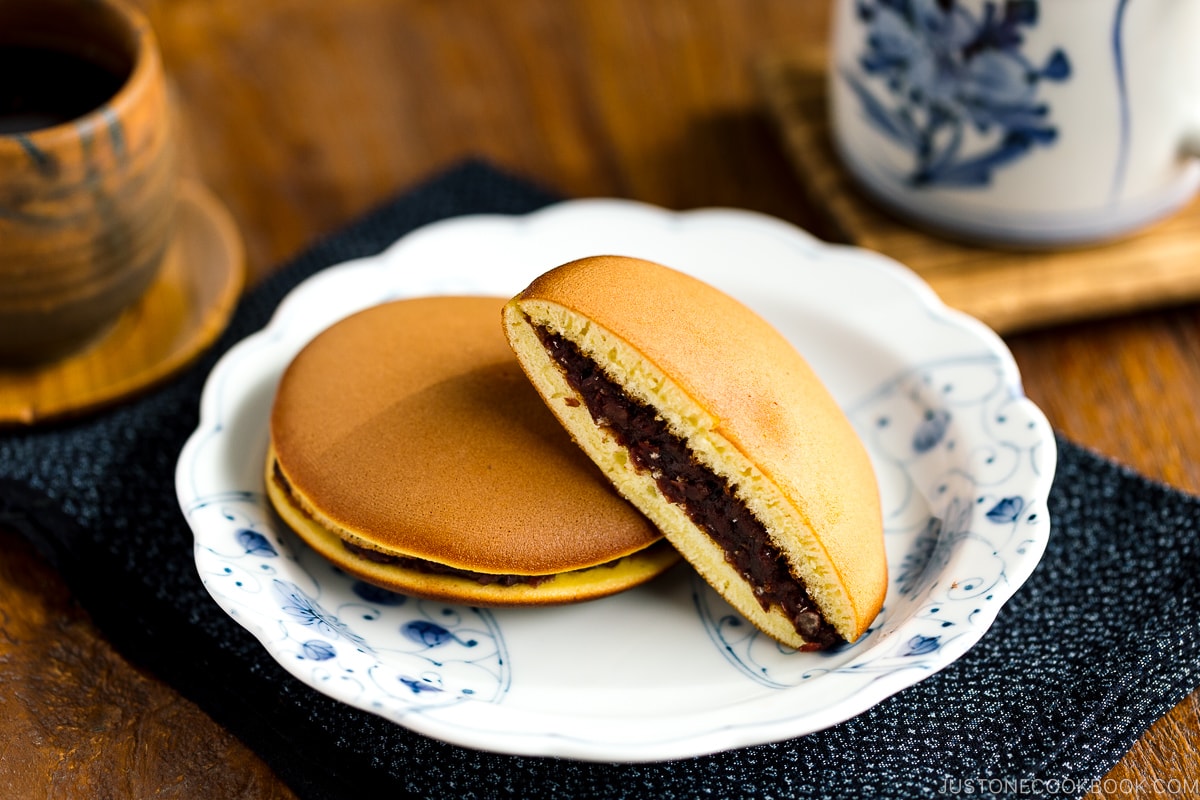 Easy
📜 Story
Easy
📜 Story
Dorayaki
Red Bean Pancake Sandwich
Afternoon tea snack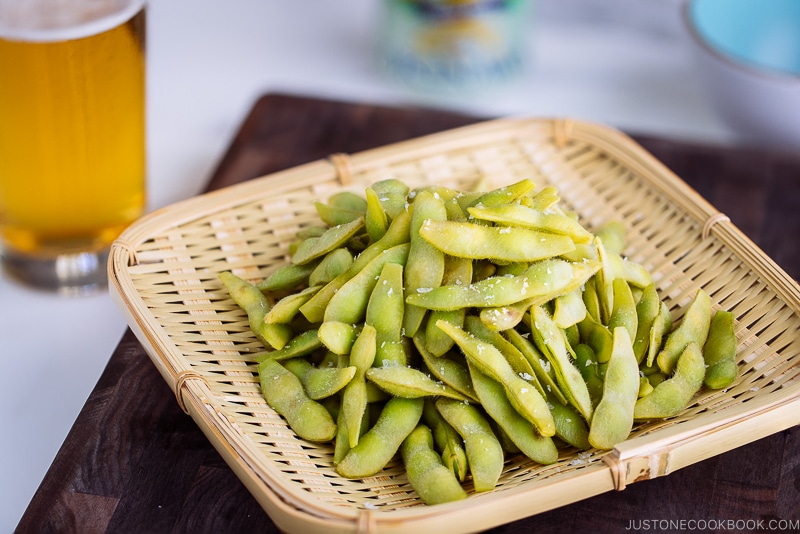 Easy
📜 Story
Easy
📜 Story
Edamame
Salted Steamed Soybeans
Pre-meal snack or beer accompaniment
Comments (0)
Log in to leave a comment.
No comments yet. Be the first to share your thoughts!