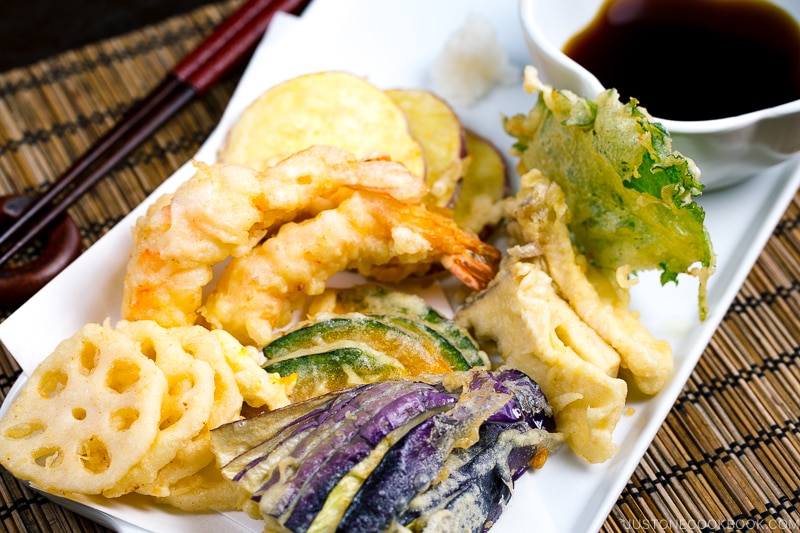
Shrimp and vegetables in impossibly light, shatteringly crisp batter. The secret is ice-cold batter and blazing hot oil.
Nutrition & Info
Allergen Warnings
Equipment Needed
Presentation Guide
Vessel: paper-lined bamboo basket or ceramic plate
Garnishes: grated daikon, grated ginger
Accompaniments: tentsuyu dipping sauce, steamed rice
Instructions
-
1
Pat all vegetables and shrimp completely dry with paper towels — this is the single most important step for crispy tempura. Any residual moisture will cause the oil to splatter and the batter to become soggy rather than light and crisp.
-
2
Make small cuts along the underside of each shrimp to prevent them from curling during frying, then gently press each shrimp flat on the cutting board. This ensures they fry straight and look elegant when served.
-
3
Prepare the batter at the last possible moment: combine the egg yolk and ice-cold sparkling water in a chilled bowl, then add the sifted flour all at once. Stir briefly with chopsticks just three or four times — lumps are desirable and essential.
-
4
Heat the frying oil in a deep pot or Dutch oven to one hundred and eighty degrees Celsius. Use a thermometer to maintain this temperature consistently throughout the frying process, adjusting the heat as needed between batches.
-
5
Lightly dredge each piece of vegetable or shrimp in a thin coat of plain flour, shaking off any excess. Dip into the batter, let the excess drip off for two seconds, then carefully lower into the hot oil without splashing.
-
6
Fry in small batches of three to four pieces to avoid dropping the oil temperature. Cook vegetables for two to three minutes and shrimp for one and a half to two minutes, turning once, until the batter is pale golden and crisp.
-
7
Remove each piece with a wire spider or slotted spoon and drain on a wire rack set over a baking sheet — never use paper towels, as they trap steam and soften the crispy coating you have carefully created.
-
8
Serve the tempura immediately on a paper-lined plate alongside small dishes of tentsuyu dipping sauce mixed with grated daikon and ginger. Tempura is best consumed within minutes of frying for optimal crispness.
Did You Know?
Introduced by Portuguese missionaries — 'tempura' comes from Latin 'tempora' for Lenten fasting days.
Chef's Notes
Equipment Tips
- deep fryer or heavy pot
- wire rack
- chopsticks
Garnishing
grated daikon, grated ginger
Accompaniments
tentsuyu dipping sauce, steamed rice
The Story Behind 天ぷら
### The Story
Tempura arrived in Japan via Portuguese missionaries and traders who reached the island of Tanegashima in 1543. The Portuguese brought their technique of battering and frying vegetables -- particularly a dish called peixinhos da horta ("garden fishes," battered green beans) -- which they ate during Lent and Ember days when meat was forbidden. The word "tempura" likely derives from the Latin tempora, referring to these fasting periods. Japanese cooks in Nagasaki adopted the frying technique in the late 16th century, and by the early 17th century, tempura had migrated to the Tokyo Bay area, where it became popular street food sold from yatai (food carts).
### On the Calendar
Tempura is eaten year-round, with seasonal ingredients dictating the selection -- shiso leaves and eggplant in summer, sweet potato and lotus root in autumn, and shrimp throughout the year.
### Then & Now
From Portuguese-influenced street food, tempura evolved into one of Japan's most refined culinary arts. High-end tempura restaurants in Tokyo feature counter seating where chefs fry each piece to order. The batter became lighter and crispier than its Portuguese ancestor, using cold water and minimal mixing.
### Legacy
Tempura stands as one of history's most successful culinary cross-pollinations -- a Portuguese technique perfected by Japanese precision into an art form.
More Japanese Dishes
 Medium
📜 Story
Medium
📜 Story
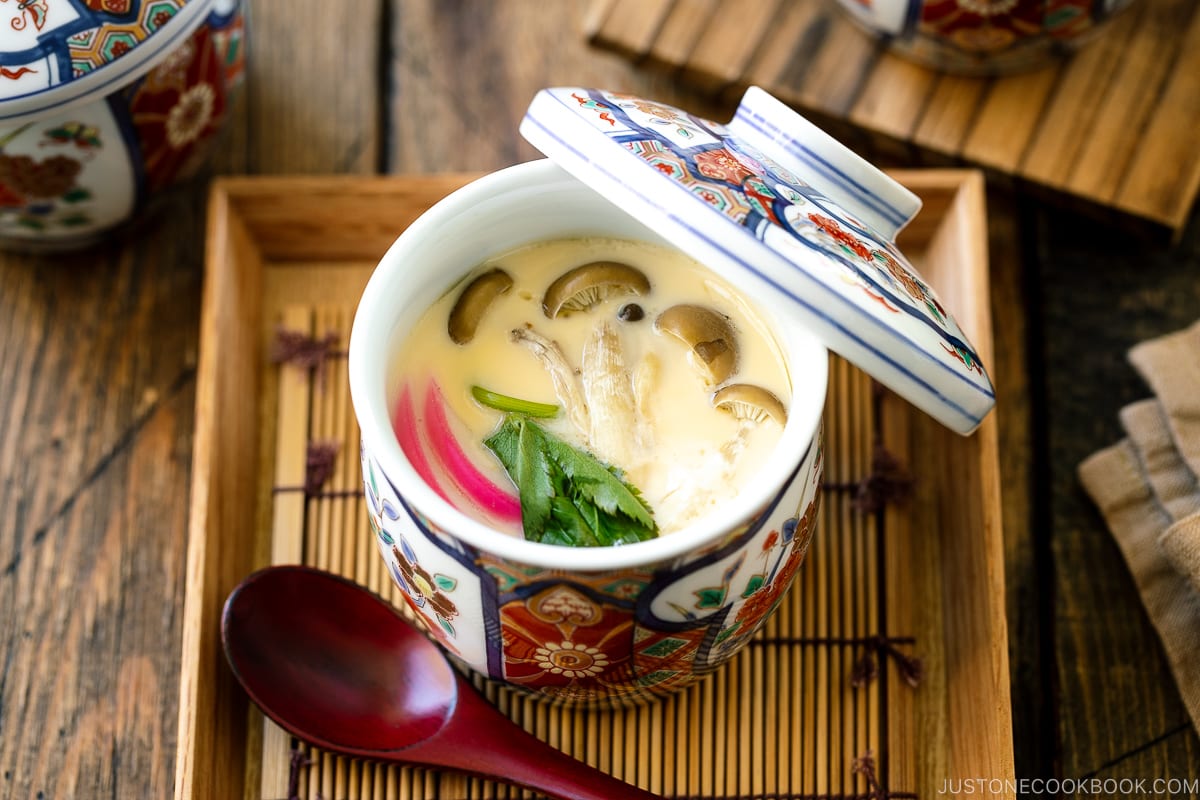
Chawanmushi
Savory Steamed Egg Custard
Appetizer course in kaiseki meal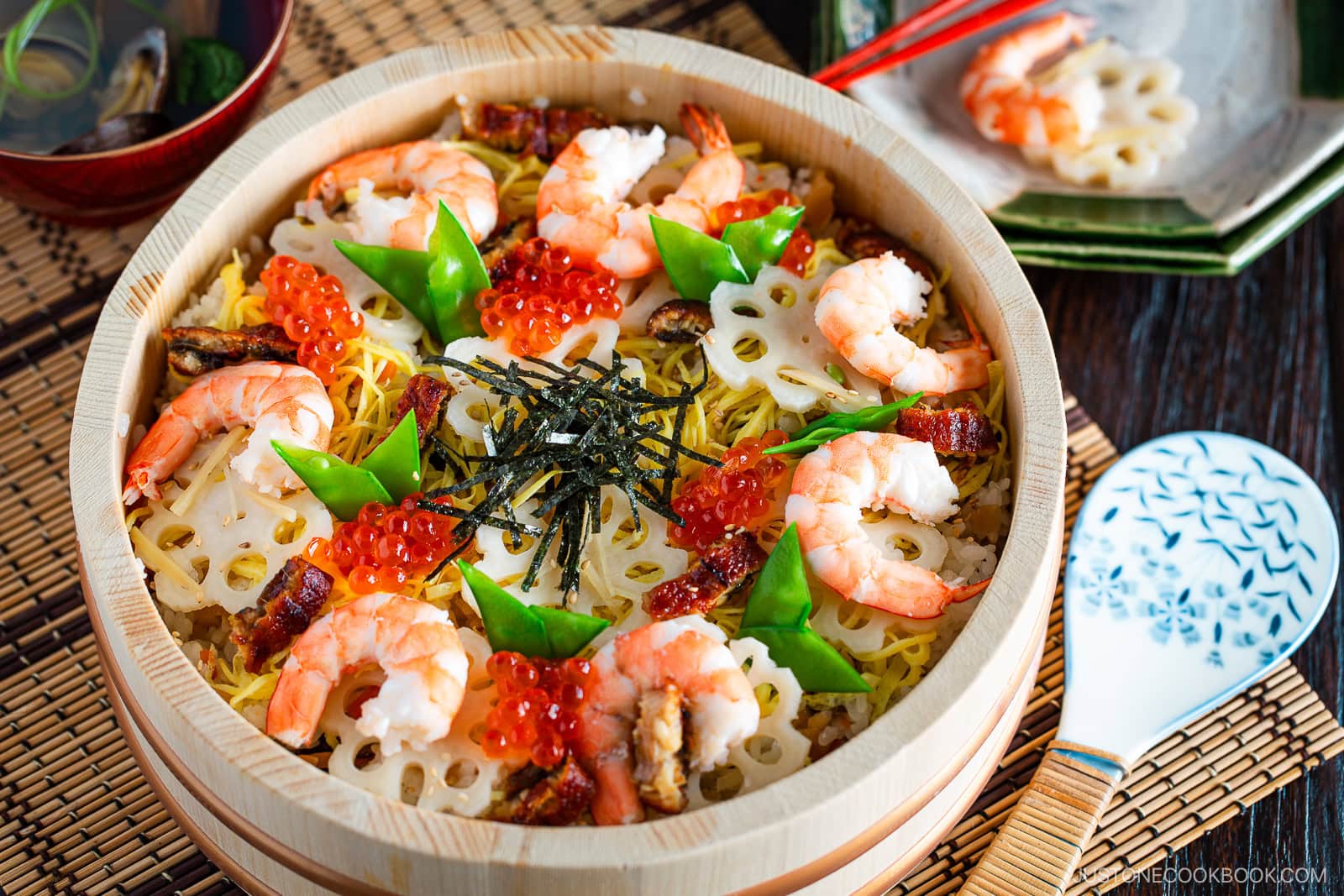 Medium
📜 Story
Medium
📜 Story
Chirashi Sushi
Scattered Sushi Bowl
Hinamatsuri (Girls' Day), celebrations, special meals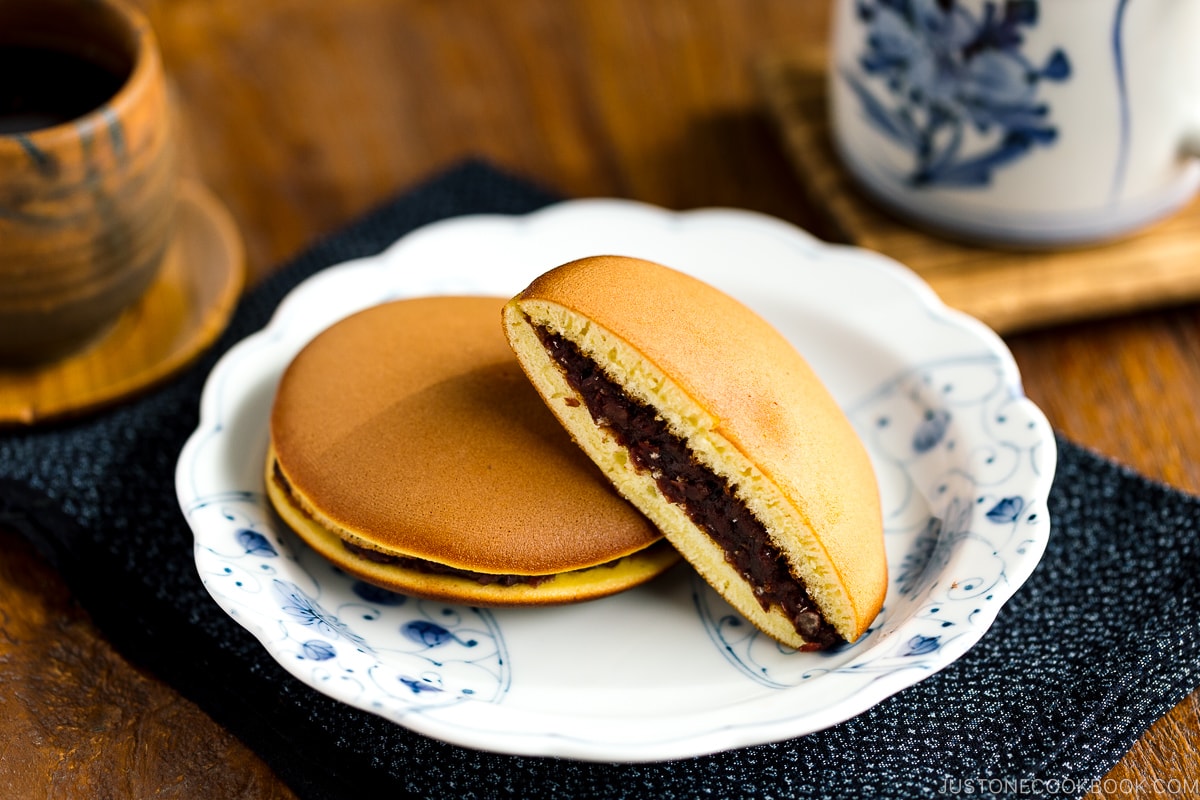 Easy
📜 Story
Easy
📜 Story
Dorayaki
Red Bean Pancake Sandwich
Afternoon tea snack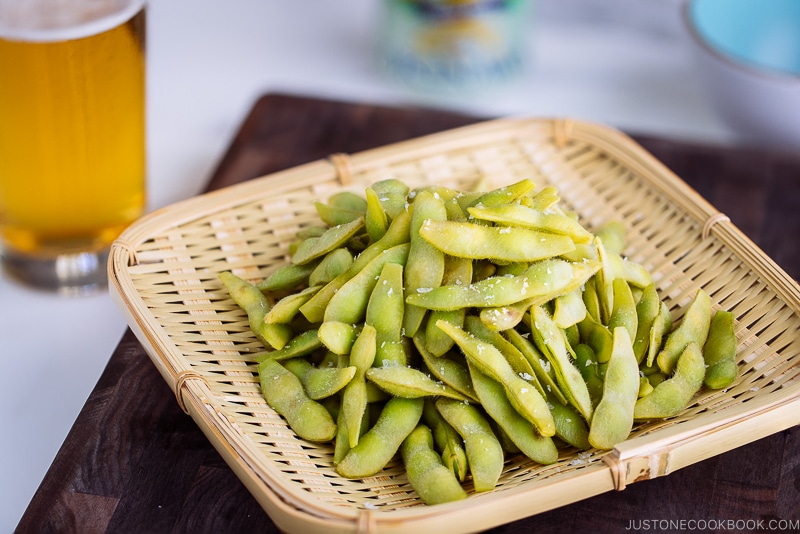 Easy
📜 Story
Easy
📜 Story
Edamame
Salted Steamed Soybeans
Pre-meal snack or beer accompaniment
Comments (2)
Log in to leave a comment.
One of the best recipes I've found online. Authentic and delicious.
The presentation tips really elevated this dish. Restaurant quality!