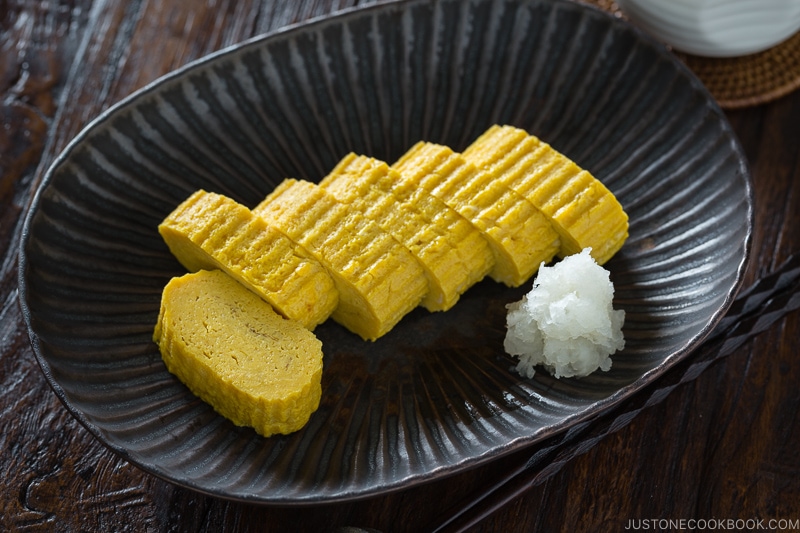
A delicately sweet and savory layered Japanese omelette made by rolling thin sheets of seasoned egg in a rectangular pan. Each slice reveals a beautiful spiral pattern of golden layers, a staple of bento boxes everywhere.
Nutrition & Info
Allergen Warnings
Equipment Needed
Instructions
-
1
Whisk the eggs gently in a bowl, being careful not to create too many bubbles. Add dashi stock, sugar, mirin, soy sauce, and salt, mixing until the seasonings are fully dissolved and incorporated.
-
2
Heat a rectangular tamagoyaki pan over medium-low heat and brush lightly with oil using a folded paper towel. The pan should be hot enough that a drop of egg mixture sizzles gently on contact.
-
3
Pour a thin layer of egg mixture into the pan, tilting to spread evenly across the entire surface. When the egg is about eighty percent set but still slightly moist on top, begin rolling from one end.
-
4
Push the rolled egg to one end of the pan, re-oil the empty surface, and pour another thin layer of egg. Lift the rolled portion slightly to let new egg flow underneath, creating a continuous connection.
-
5
Roll the existing log back over the new layer once it is mostly set. Repeat this process of pouring, setting, and rolling four to five times until all the egg mixture is used up.
-
6
Remove the finished tamagoyaki from the pan and shape it by pressing gently with a bamboo sushi mat. Let it cool for five minutes before slicing into rounds that reveal the spiral layers.
Did You Know?
Sushi chefs are often judged by the quality of their tamagoyaki. At Tokyo's Tsukiji market, the best tamagoyaki shops have been making their signature rolled eggs for over a hundred years using closely guarded family recipes.
Chef's Notes
Equipment Tips
- tamagoyaki pan (rectangular)
- chopsticks or spatula
- mixing bowl
- whisk
The Story Behind Tamagoyaki
Tamagoyaki evolved during the Edo period when eggs became more widely available in Japan. The development of the specialized rectangular tamagoyaki pan, or makiyakinabe, enabled cooks to create the distinctive rolled and layered technique. In the sushi world, tamagoyaki holds a special significance as it is often considered the benchmark of a sushi chef's skill. The balance of sweetness and umami varies by region: Tokyo-style tends sweeter while Kansai-style favors a more savory profile seasoned with dashi. This humble egg dish has become a cultural icon appearing in virtually every bento box across Japan.
More Japanese Dishes
 Medium
📜 Story
Medium
📜 Story
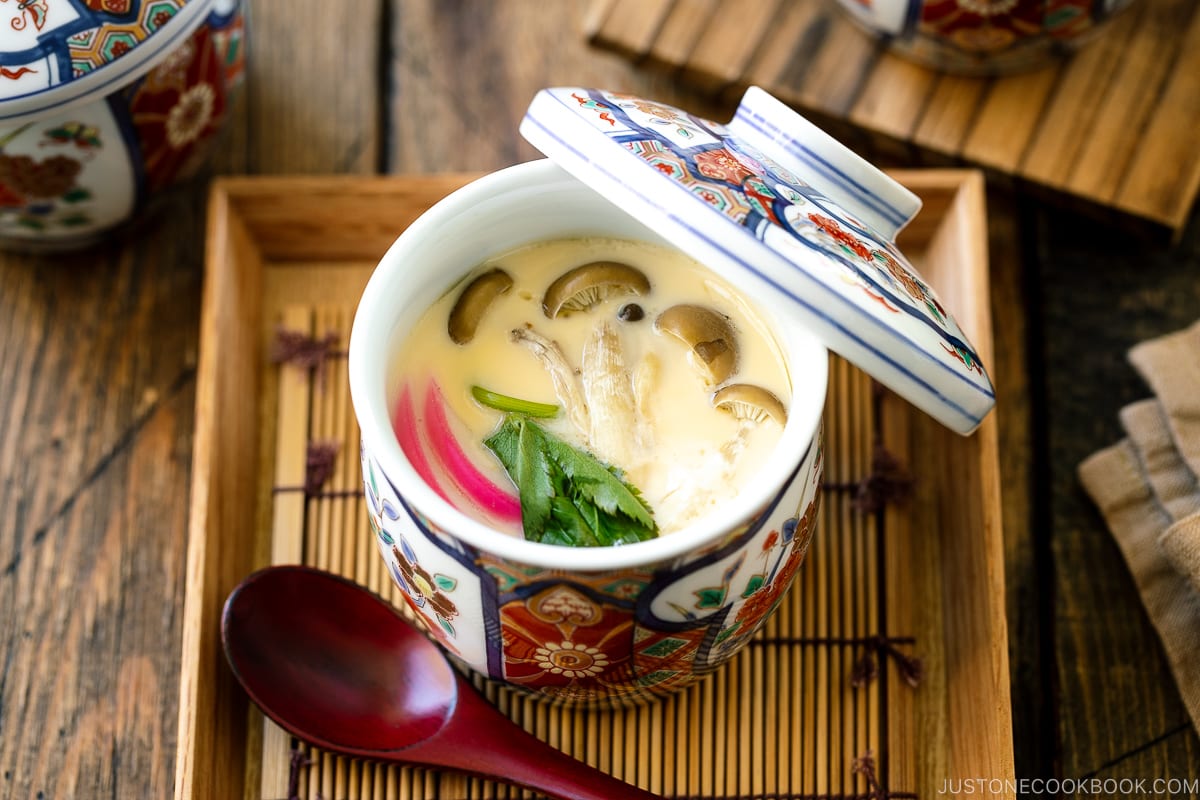
Chawanmushi
Savory Steamed Egg Custard
Appetizer course in kaiseki meal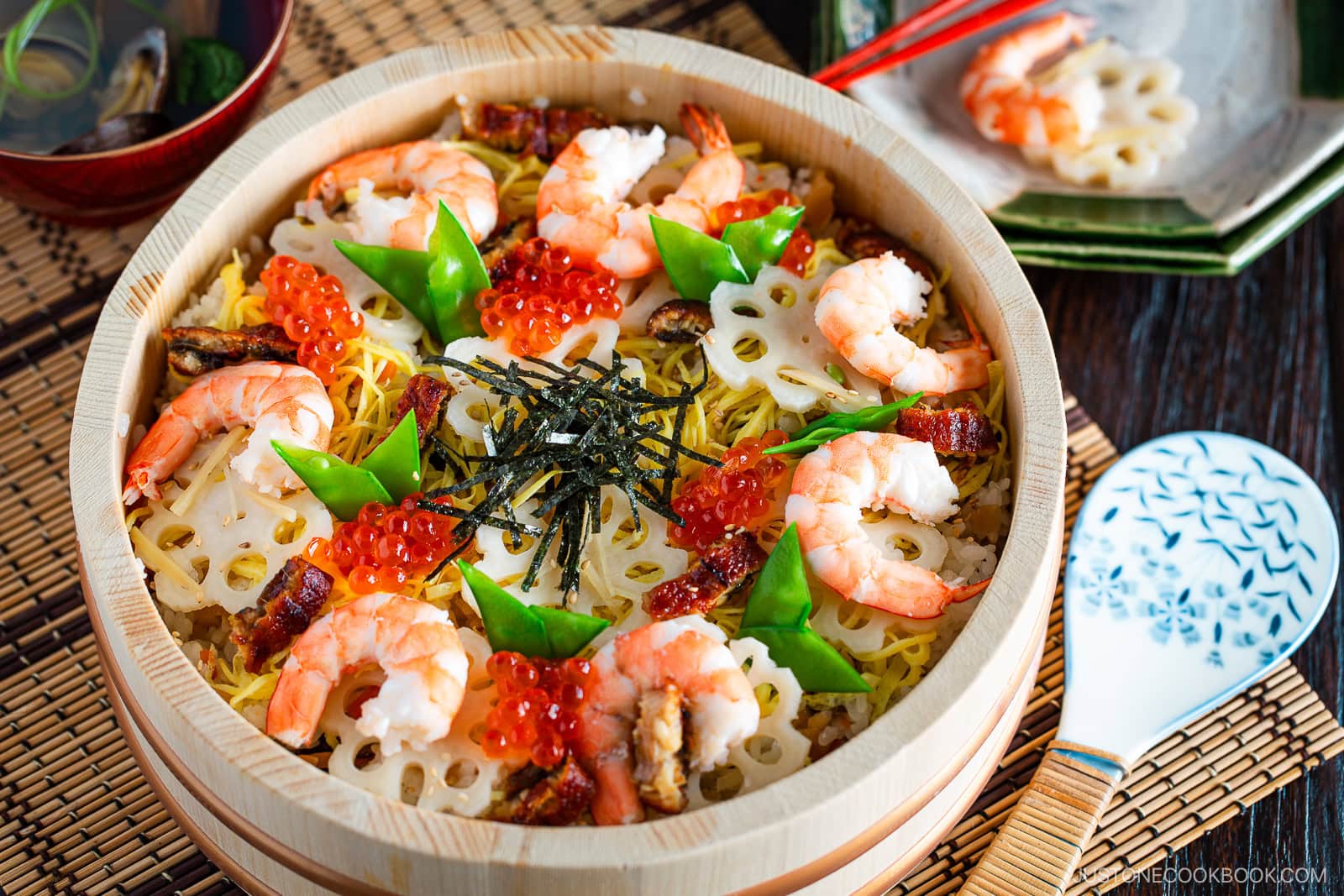 Medium
📜 Story
Medium
📜 Story
Chirashi Sushi
Scattered Sushi Bowl
Hinamatsuri (Girls' Day), celebrations, special meals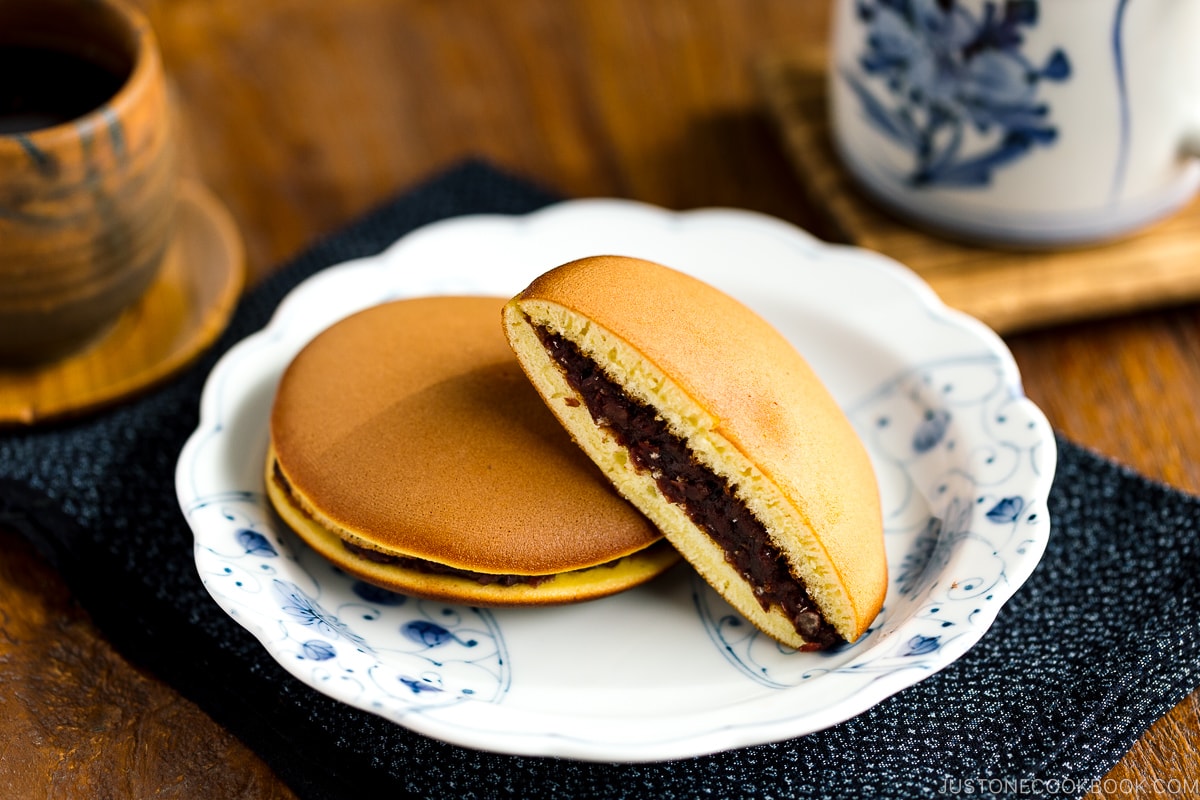 Easy
📜 Story
Easy
📜 Story
Dorayaki
Red Bean Pancake Sandwich
Afternoon tea snack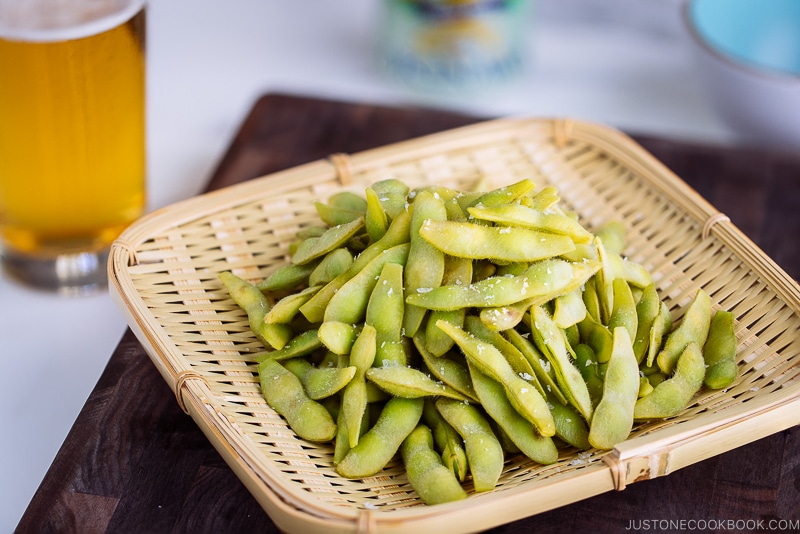 Easy
📜 Story
Easy
📜 Story
Edamame
Salted Steamed Soybeans
Pre-meal snack or beer accompaniment
Comments (0)
Log in to leave a comment.
No comments yet. Be the first to share your thoughts!