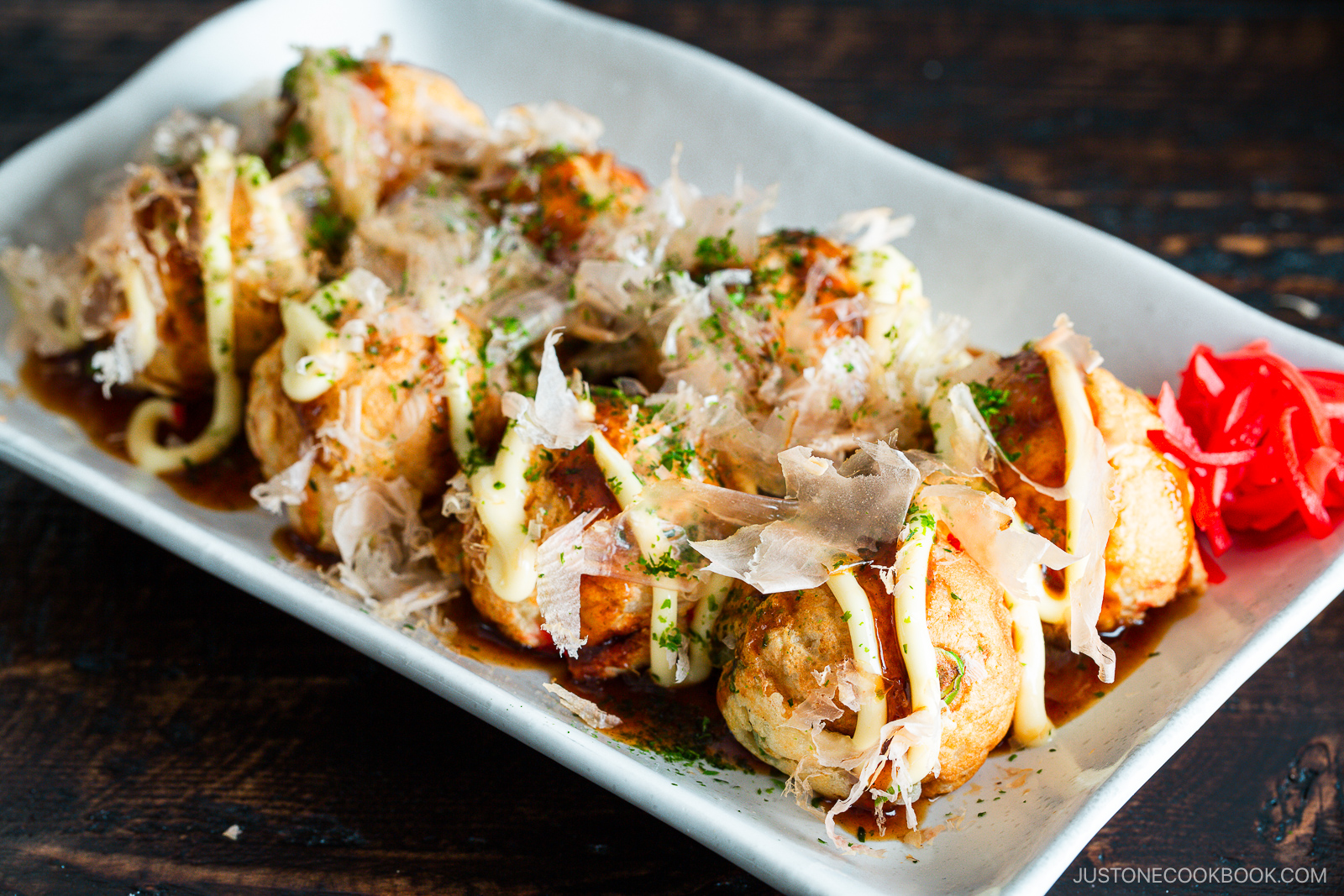
Crispy-on-the-outside, molten-on-the-inside spherical fritters filled with tender pieces of octopus, pickled ginger, and green onion. Drizzled with tangy sauce and dancing bonito flakes, these are Osaka's most famous street food.
Nutrition & Info
Allergen Warnings
Equipment Needed
Instructions
-
1
Whisk together flour, eggs, and dashi stock in a large bowl until you achieve a smooth, thin batter with no lumps. The consistency should be much thinner than pancake batter, almost like crepe batter.
-
2
Heat the takoyaki pan over medium heat and brush each hemisphere mold generously with vegetable oil. Pour batter into each well until it slightly overflows the edges of the molds.
-
3
Drop a piece of octopus, a pinch of pickled ginger, tenkasu, and green onion into each batter-filled well. Let cook for two minutes until the bottom edges begin to set and turn golden.
-
4
Using takoyaki picks or chopsticks, carefully rotate each ball ninety degrees, tucking the overflow batter underneath to form a sphere. This takes practice to achieve perfect round shapes.
-
5
Continue rotating the balls every minute or so for about six to eight minutes total until they are uniformly golden brown on all sides and the center is molten and creamy.
-
6
Transfer the hot takoyaki to a serving plate and drizzle with takoyaki sauce and Japanese mayonnaise. Top with a generous shower of dancing bonito flakes and aonori powder.
Did You Know?
Takoyaki was invented in 1935 by street vendor Tomekichi Endo in Osaka. Today the city has over five thousand takoyaki stalls, and most Osaka households own a takoyaki pan.
Chef's Notes
Equipment Tips
- takoyaki pan
- takoyaki picks or chopsticks
- mixing bowl
- squeeze bottles
The Story Behind Takoyaki
Takoyaki was born in Osaka in 1935 when street vendor Tomekichi Endo adapted the existing rajioyaki radio-shaped snack by adding octopus as the filling. The creation was an instant sensation in Osaka, a city already famous for its street food culture known as kuidaore or eating until you drop. The spherical fritters became inseparable from Osaka identity, with takoyaki stalls clustering around entertainment districts and festival grounds. The technique of spinning batter balls in a specially molded cast iron pan became a culinary skill passed between generations.
More Japanese Dishes
 Medium
📜 Story
Medium
📜 Story
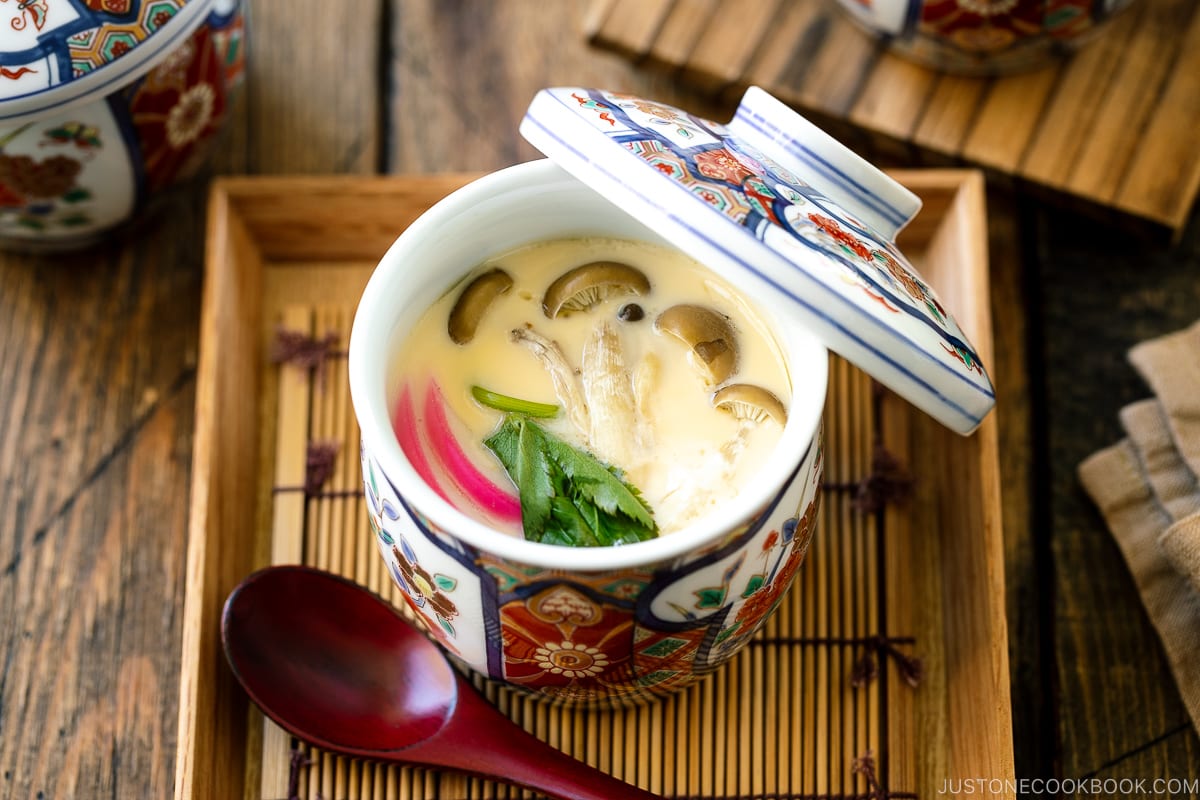
Chawanmushi
Savory Steamed Egg Custard
Appetizer course in kaiseki meal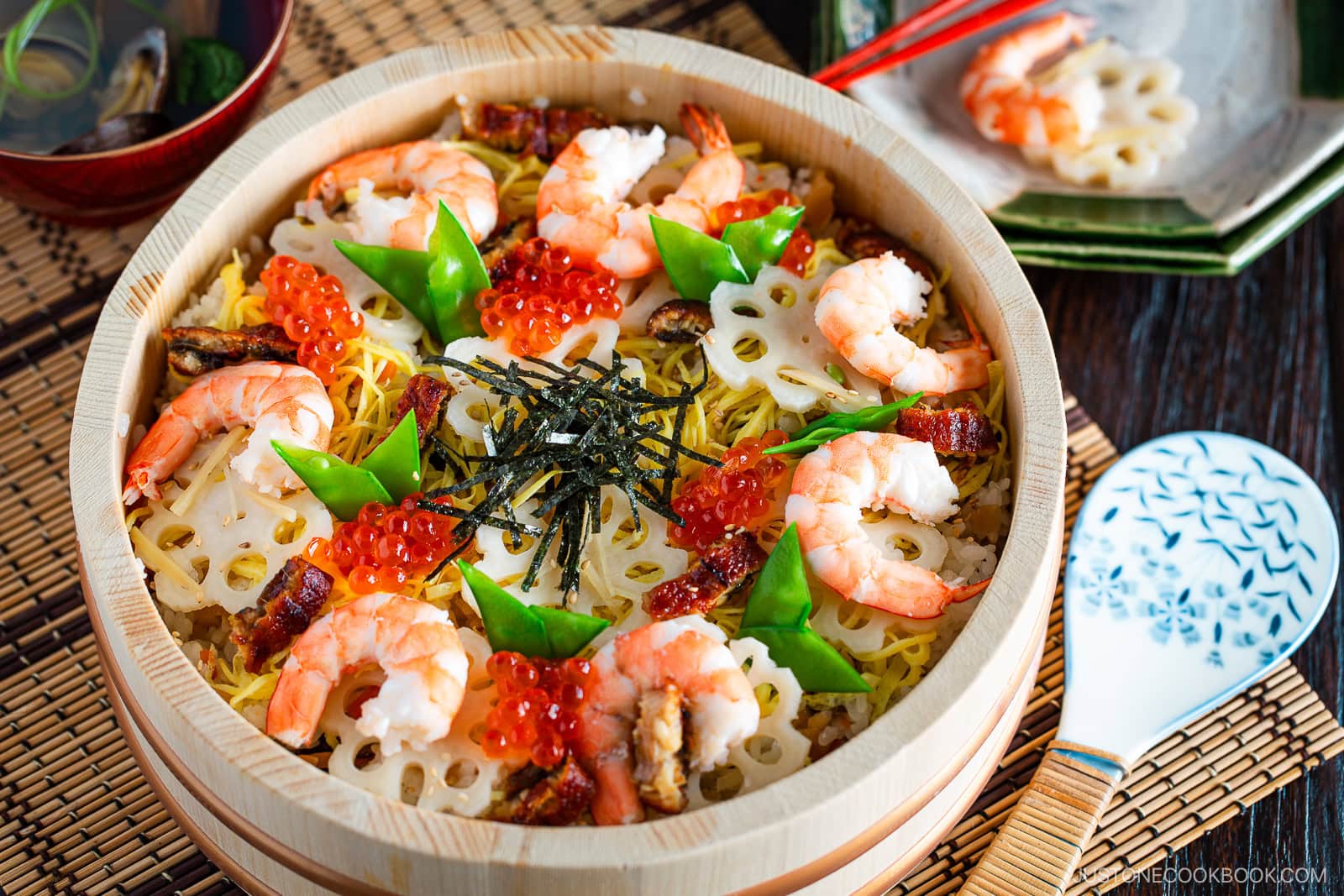 Medium
📜 Story
Medium
📜 Story
Chirashi Sushi
Scattered Sushi Bowl
Hinamatsuri (Girls' Day), celebrations, special meals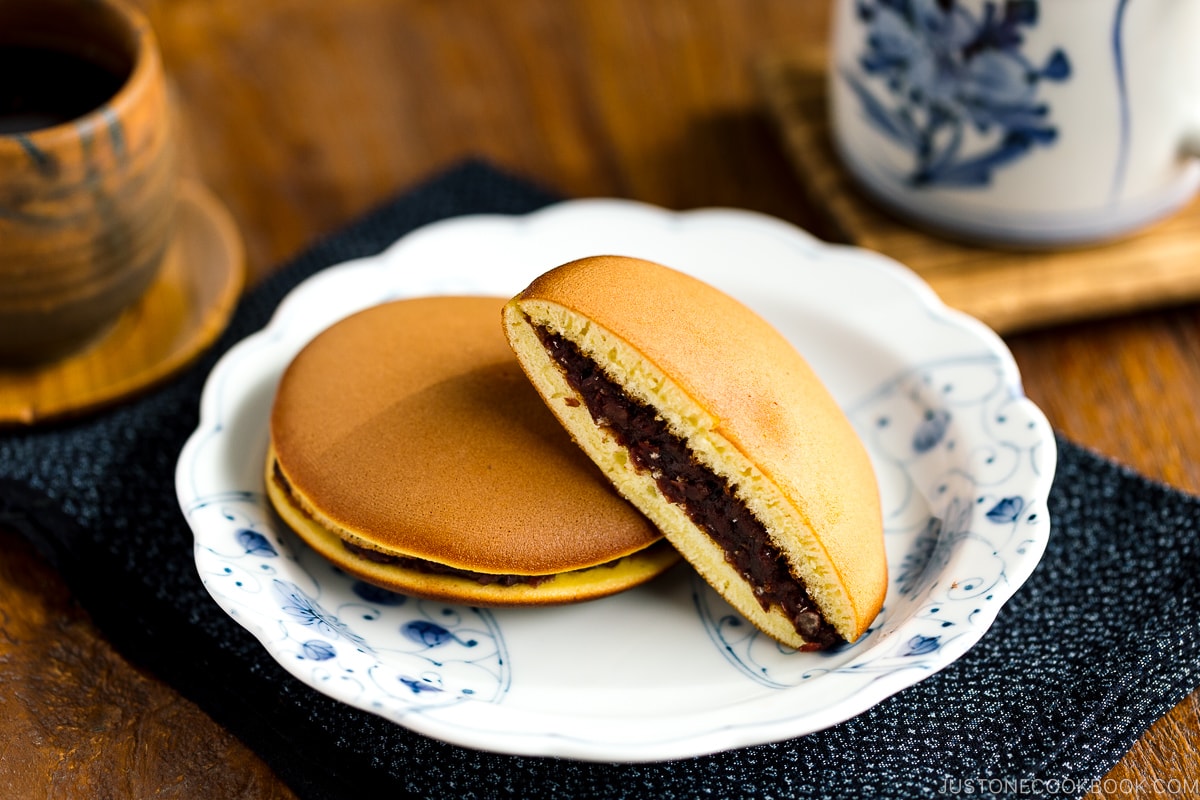 Easy
📜 Story
Easy
📜 Story
Dorayaki
Red Bean Pancake Sandwich
Afternoon tea snack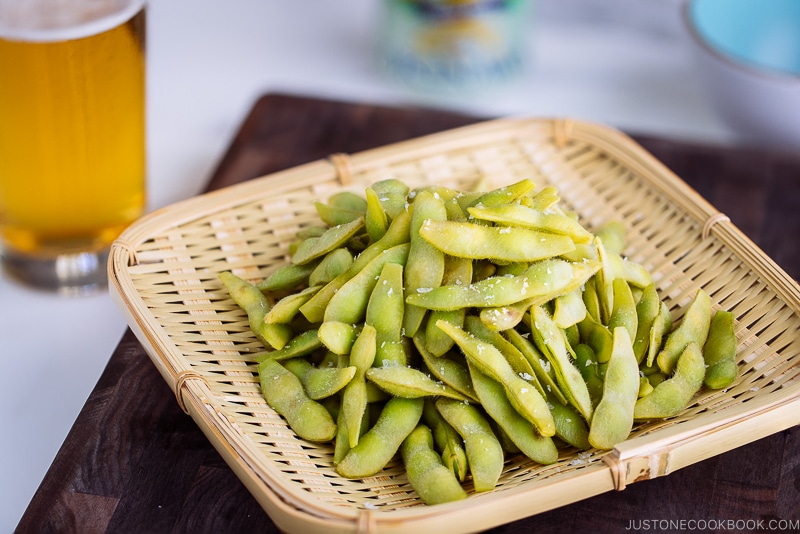 Easy
📜 Story
Easy
📜 Story
Edamame
Salted Steamed Soybeans
Pre-meal snack or beer accompaniment
Comments (0)
Log in to leave a comment.
No comments yet. Be the first to share your thoughts!